Gun-buying shortcuts that almost always backfire
Gun buyers keep trying to save time, money, or paperwork, and the same shortcuts keep turning into expensive regrets. From illegal straw purchases that carry federal prison time to tiny pistols that hurt to shoot, the pattern is clear: rushing the process almost always makes you less safe and less satisfied with the gun you end up with. I want to walk through the most common traps I see and show how a slower, more deliberate approach lines up with what experienced shooters and legal experts keep warning about.
Why “shortcuts” and firearms do not mix
Shortcuts feel harmless when you are used to them in low risk settings, like hitting a keyboard combo to speed through a task on a Mac. Guides on keyboard shortcuts point out that shaving off a few seconds per click can add up to big time savings by the end of the day. That logic breaks down fast when the “tool” is a firearm and the cost of a mistake is not a missed email but a hole in something, or someone, that can never be undone.
Safety professionals warn that when leaders tolerate cutting corners, the result is more accidents, injuries, and even fatalities, because each skipped step raises the odds that something will go wrong. One analysis of why taking shortcuts in safety leadership is dangerous stresses that increased risk is the predictable outcome, not bad luck. Applied to guns, the pattern is obvious: skipping training, skipping inspection, or skipping legal checks does not just save a few minutes, it loads the dice in favor of the worst case scenario.
Rushing the first purchase without a clear “why”
One of the fastest ways to regret a gun purchase is to walk into a shop on a Saturday with cash in hand and no clear idea why you are there. In a widely shared Jul thread about buying a first gun, experienced owners told a new buyer to slow down, learn the four universal rules of gun safety, and, if possible, try a few models at a range before committing. That advice reflects a basic truth I see over and over: if you cannot explain whether you want the gun for home defense, range practice, hunting, or competition, you are almost guaranteed to pick something that does none of those jobs well.
Another Dec discussion about family members and their dumb gun purchases captured the same theme. In the Comments Section, a user named Buruko said they always start by asking two questions when someone wants gun advice: Why do you want it, and how are you going to use it. That “Why” is not a philosophical exercise, it is a filter that keeps someone who only wants a bedside home defense tool from walking out with a tiny pocket pistol that is hard to control, or a long, heavy rifle that will never fit in their apartment safe.
Ignoring basic inspection and maintenance clues
Even buyers who pick the right category of gun can sabotage themselves by treating inspection as a formality. Guidance on common mistakes stresses that, when you buy a firearm, especially a used one, you should take time to examine the gun closely. That means looking for obvious signs of damage or neglect, checking that moving parts cycle smoothly, and confirming that the bore is clean rather than pitted or rusted. When a seller will not let you field strip or at least lock the slide back and look inside, that is not a small inconvenience, it is a warning sign.
More detailed advice on used guns urges buyers to check whether the firearm has been properly cleaned and maintained, not just wiped down for photos. One section explains that when buying a, you should look for carbon buildup, corrosion, and mismatched parts that hint at past abuse. I have seen people skip all of that because the price looked good, only to discover at the range that their “deal” will not run a full magazine without a malfunction and now needs a gunsmith bill that wipes out the savings.
Trusting sketchy sellers and “too good to be true” deals
Some of the worst shortcuts show up before you ever touch the gun, in how you choose where to spend your money. In one Oct thread about gun regrets, a commenter said they regretted buying their first firearm from Cheaper Than Dirt, a sign of how chasing the lowest advertised price can leave a bad taste. That kind of regret is mild compared with what happens when buyers slide from aggressive bargain hunting into outright scams, but the mindset is similar: focusing on the sticker and ignoring everything else.
Fraud experts warn that scammers often demand up front payment in cryptocurrency, precisely because crypto payments do not have legal protections and are hard to reverse. One analysis of investment fraud notes that many criminals also that victims move thousands of dollars into a scammer’s account before anything is delivered. When I see private gun listings that insist on crypto or wire transfers to anonymous sellers, I see the same red flags. The shortcut is skipping a reputable dealer with traceable payment methods, and the backfire is either losing your money or ending up with a firearm whose history you cannot verify.
Illegal straw purchases and paperwork shortcuts
Some buyers try to dodge background checks or waiting periods by asking a friend or partner to “just buy it for me.” Federal law is very clear about what that means. According to an official explanation, a straw purchase occurs when a “straw buyer” purchases a gun on behalf of a restricted person, and the maximum terms of imprisonment jump sharply if the firearm is used in a crime of violence, an act of terrorism, or a drug trafficking crime. The federal law summary makes clear that “I was just helping” is not a defense, it is a confession.
Defense attorneys have spelled out how harsh those penalties can be. One law firm that defends firearms cases explains that it does not matter if your boyfriend has a clean record, or if you did not know the conduct was illegal, if you lie on Form 4473 and buy a gun for someone else you can face up to 15 years in federal prison. Their breakdown of a case where a woman bought a gun for her partner makes the 15 years federal risk uncomfortably real. The shortcut in that scenario is trying to outsource the background check, and the backfire is a felony conviction that will likely bar you from owning any gun again.
Chasing tiny, punishing guns and ignoring ergonomics
Another pattern I see is buyers who go straight for the smallest, lightest handgun on the shelf because it looks easy to conceal, only to discover it is miserable to shoot. A detailed buyer guide explains that micro compact handguns can be suitable for beginners who prioritize concealment, but it adds a clear warning. It notes that ANSWER, Micro compacts demand more training to build confidence and accuracy, because the small grip and short sight radius amplify every mistake. When a new shooter picks one as a “shortcut” to easy carry, they often end up flinching, missing, and leaving the gun at home.
Ergonomics matter just as much as size. A technical overview of Mossberg 500 accessories notes that if you go to the shooting range often or spend a lot of time on target practice, a gun without good ergonomic design can cause stress, fatigue, discomfort, pain, or even injury. The section on how a poorly shaped stock or grip can increase stress, fatigue is not just about shotguns, it is a reminder that a gun has to fit your body. I have watched new owners trade away comfortable, controllable pistols for ultra compact models that hurt to shoot, only to come back months later looking for something they can actually train with.
Underestimating recoil, training needs, and “buy once, cry once”
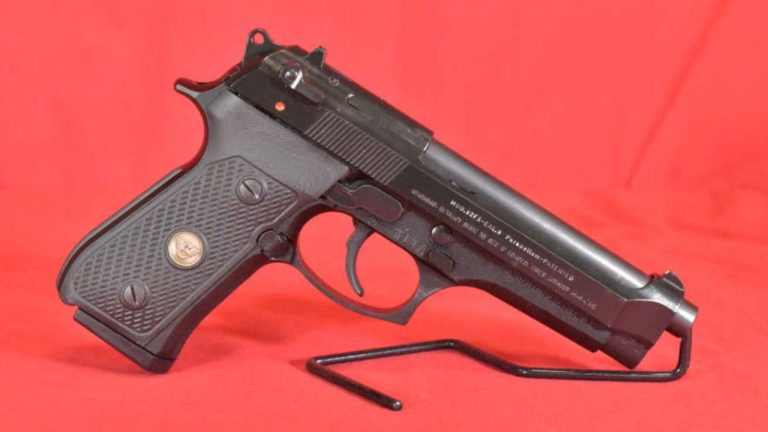
Recoil is another area where shortcuts show up. New shooters often assume that any 9 mm pistol kicks the same, then get surprised when a light, short grip gun snaps hard in the hand. A guide to low recoil pistols points to full size designs like the Beretta 92FS, describing how the Beretta 92FS uses an open slide and short recoil system to soften the feel, and it lists models from Beretta and Smith & Wesson that are easier to manage. The section on Low Recoil Pistols is a quiet rebuke to the idea that smaller is always better, because it shows how weight and design can make the same cartridge much more forgiving.
Experienced owners also warn against “starter guns” that you do not really want, bought just to have something now. In one Aug Comments Section discussion of worst early mistakes, a user named Stalins-Hammer summed up the lesson as “Buy once cry once.” The advice was blunt: do not buy cheap guns you are not into to hold yourself over until you get the good stuff. I see the same logic in training. A blog on Common Firearms Mistakes points out that skipping practice and relying on gear alone is a recipe for poor performance. The shortcut is thinking hardware will fix software, and the backfire is finding out under stress that you never learned to run the gun you bought.
Modding, gadgets, and legal traps that erase any “time saved”
Once people own a gun, the temptation to shortcut performance with gear gets even stronger. In one Aug discussion of gun related purchase regrets, a shooter described how, in the NFA world, their first suppressor was a Silencerco Octane bought mostly because the name sounded cool, and it ended up being a poor fit for their needs. They also mentioned buying LAX reloads that did not perform as expected. The pattern is familiar: gear bought as a shortcut to “cool” or “quiet” without research tends to sit in the safe or create new problems.
Some shortcuts cross from wasteful into illegal. California’s multiburst trigger activator law, codified in Penal Code Sections 16930 and 32900, bans the manufacture, importation, sale, or possession of devices that increase the rate of fire of a semiautomatic gun to mimic rapid or automatic fire. The summary of California, Penal Code makes clear that “just a gadget” like a bump stock or similar device can carry serious penalties. Buyers who think they are saving training time by bolting on a device that fakes automatic fire are not only skipping the hard work of recoil control, they are also risking prosecution for owning banned equipment.
Safety rules, travel laws, and the myth of “I’ll figure it out later”
Plenty of gun owners treat safety rules and transport laws as something they can skim once and sort out later, but that is another shortcut that comes back to bite. In a Jul thread on common non dangerous mistakes, one commenter described accidental double taps with big revolvers as bad things and never funny, and another told a story about a Friend of theirs who bought a cheap .380 that was hard to control. Those stories show how a lack of respect for recoil and trigger discipline can turn into near misses. Another Aug video warning viewers “If You See This, Don’t Buy the Gun” drives home that certain visible defects or unsafe modifications should be deal breakers, not negotiation points.

Leo’s been tracking game and tuning gear since he could stand upright. He’s sharp, driven, and knows how to keep things running when conditions turn.