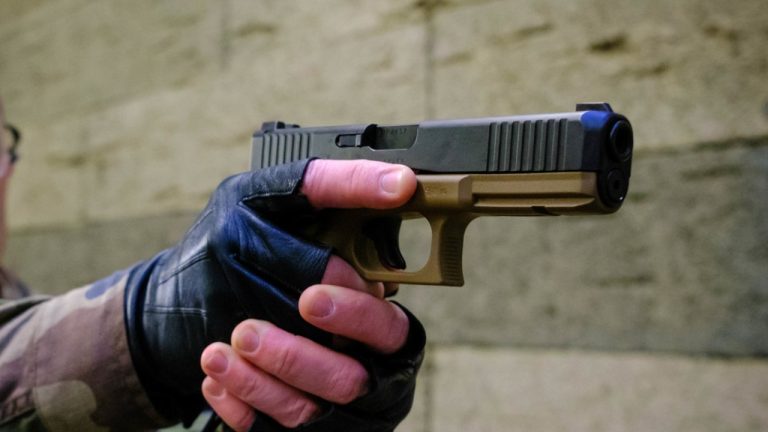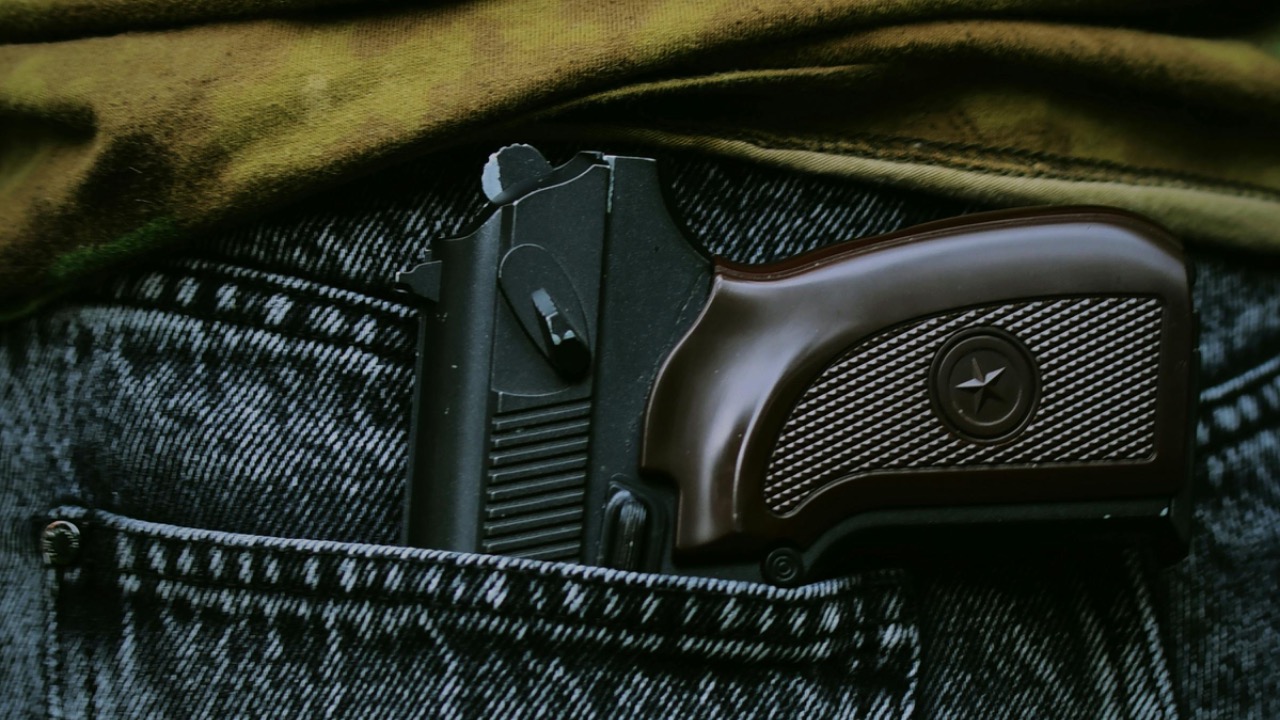
Why pocket carry introduces risks many concealed carriers overlook
Pocket carry promises an easy, low-profile way to keep a handgun close, but the very convenience that makes it attractive can hide serious safety and performance tradeoffs. From snagged triggers to awkward draws in a car seat, the risks often surface only when something goes wrong, which is the worst possible time to discover a flaw in your setup. I want to unpack those hidden hazards, and the habits that can mitigate them, before a casual choice of pocket turns into a life-altering mistake.
Across training circles and user reports, a pattern emerges: pocket carry is not a shortcut around disciplined concealed carry, it is a method that demands its own strict rules. Those rules touch everything from holster design and clothing choices to how you sit, drive and even where you rest your hands in public. Understanding why pocket carry introduces unique dangers is the first step to deciding whether it fits your daily routine at all.
Why pocket carry feels so safe, and why that perception is misleading
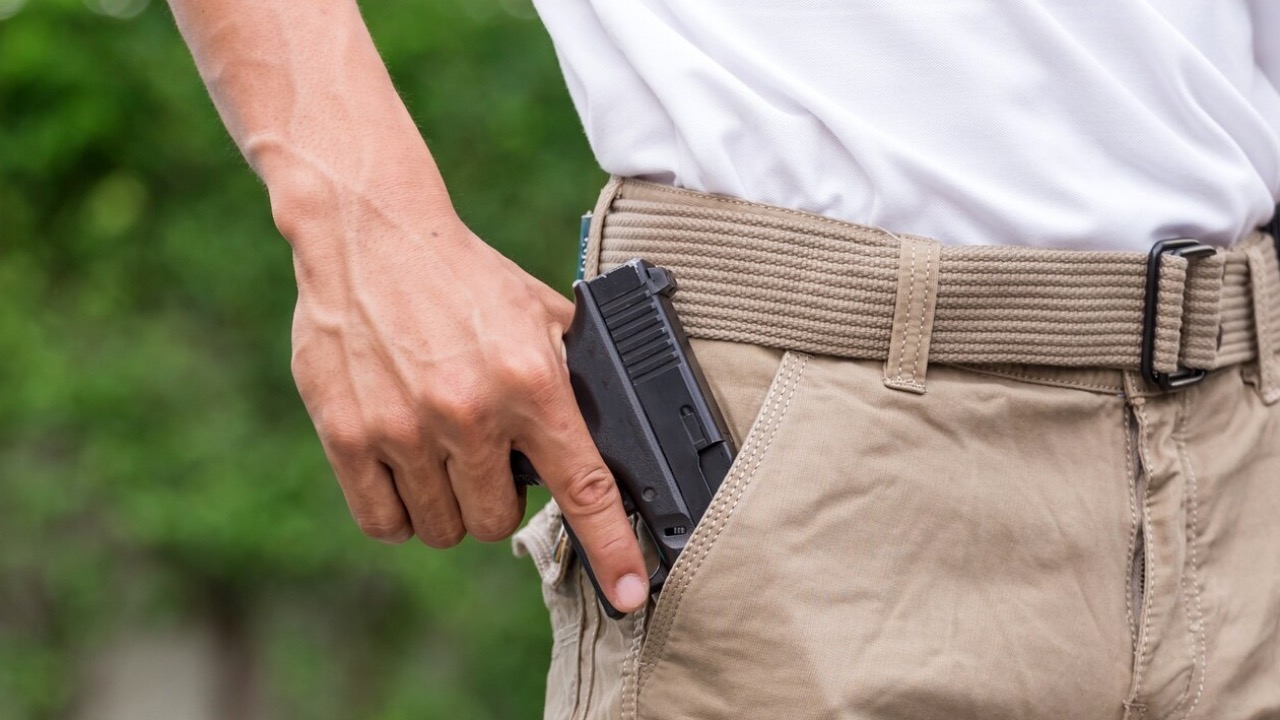
For many people, the appeal of pocket carry starts with psychology. A small handgun dropped into a front pocket feels contained, out of sight and therefore under control, especially compared with a visible belt clip or an inside-the-waistband rig that can print under a T-shirt. Guides that walk through concealed carry basics often describe pocket carry as one of the most convenient forms of CCW, particularly when the gun is a light, small pistol that disappears from the view of a casual observer. That ease can lull carriers into thinking the pocket itself is a safety device, when in reality it is just another compartment full of hard edges, fabric and debris.
Legal framing can reinforce that false sense of security. Many state laws treat a gun in a pocket as concealed so long as it is not visible and not readily apparent to others, and some explanations of Understanding Concealed Carry note that a firearm carried this way is generally considered hidden from view. Once a carrier hears that a pocket meets the legal definition, it is easy to assume it also meets the practical standard for safety and readiness. The gap between those two ideas is where many overlooked risks live.
The holster problem: why bare-pocket carry is a recipe for disaster
The single biggest technical flaw I see with pocket carry is the temptation to skip a holster entirely. Some carriers treat a pocket as a soft case, dropping a loaded pistol in beside keys, coins or a folding knife. Experienced voices warn that this is exactly the scenario that leads to unintended discharges, with one widely shared answer from Ken Rabon flatly stating that the number one mistake is probably failing to use a holster at all. When a trigger is exposed inside a pocket, anything from a house key to a belt loop can press into it as you sit, bend or reach.
Holster makers and trainers stress that a proper pocket holster does more than hold the gun upright. A dedicated design covers the trigger guard, keeps the firearm oriented grip up and helps it stay in place during movement, which is why some companies devote entire guides to explaining the point of a pocket holster. Others underline that not using a holster puts your firearm at risk of snagging on anything else in the same pocket, increasing the chance that something catches the trigger and fires the pistol accidentally, a warning framed bluntly with the word However. The message is consistent: the pocket itself is never an adequate substitute for a rigid, well-fitted holster.
Orientation, snagging and the mechanics of a bad draw
Even with a holster, pocket carry introduces mechanical problems that belt rigs largely avoid. A gun riding in loose fabric can rotate, shift or sink deeper as you walk, sit or climb stairs. One detailed rundown of pocket holsters notes that a gun carried in a pocket without a holster may rotate so that its butt is downward when you go to access it, making presentation slow and awkward and potentially exposing the outline of the gun in a way that may alarm a reasonably observant person, a risk highlighted in guidance on five pocket holsters. That same rotation can force you to fish around with your fingers, sweeping the trigger as you hunt for a grip.
Clothing design compounds the issue. Different pants have different pocket cuts, and experienced instructors emphasize that Any professional will tell you to insert the handgun in the pocket holster first, then put the whole package into the pocket, precisely because sliding a bare gun into a pocket invites snagging on seams or lining, a point spelled out in advice on Any pocket carry routine. Other style-focused guides warn that unless you have an internal holder sewn in, the gun can twist sideways and backwards in your pocket, which they describe as the biggest disadvantage of Pocket Carry. When a draw stroke has to fight fabric, seams and a moving gun, the odds of fumbling at the worst possible moment go up sharply.
Seated carry, vehicles and the illusion of access
One of the most overlooked realities of pocket carry is how badly it can degrade once you sit down. A pistol that feels accessible while standing can be pinned under a thigh in a car seat, office chair or restaurant booth. Training material on Seated Pocket Carry notes that While pocket carry offers numerous advantages, it can present challenges when sitting because tight pockets and seat bolsters restrict movement, complicating the draw. Other analysis of carry positions points out that Your pistol may be super easy to draw when you are standing, but When you sit, that same position can become awkward or blocked, a contrast drawn explicitly in a discussion of Your best options for sitting.
Vehicles magnify those problems and add new ones. Safety guidance on Safety Considerations and in Car Concealed Carry Carrying warns that routine and convenience often override disciplined habits, leading people to stash guns in cupholders, door pockets or loose in clothing where seatbelts and armrests interfere with access. On motorcycles, the risks are even starker: one detailed guide cautions that Simply placing a handgun in a zippered pouch or unsecured pocket creates a high risk of loss, theft or accidental discharge, especially if the rider goes down or the bike is jostled, a scenario spelled out under the heading Simply. In all of these settings, a pocket that seemed like a safe, discreet home for a gun can turn into a trap that blocks your hand when you need it most.
Capacity, caliber and the limits of “always guns”
Pocket carry almost always means carrying a smaller firearm, and that choice brings its own ceiling on performance. Analysts who break down the Cons of Pocket Carry stress Limited Capacity, noting that Pocket carry typically limits the size and capacity of the firearm you can carry, and that Most pocket-sized guns hold fewer rounds and are harder to shoot quickly and safely if needed, a tradeoff laid out in detail in a review of Cons of Pocket. Other everyday carry discussions describe pocket pistols as small, lightweight firearms that prioritize concealability, and they explicitly note that As the name suggests, they can often fit comfortably in a pocket but involve trade-offs in terms of firepower and accuracy, a balance explained in coverage of Pocket pistols.
Those compromises are especially stark with very small calibers. One technical breakdown of .22 LR pocket guns notes that In a small, easily concealable “pocket carry” gun, the barrel length is the main limitation, and that a cartridge designed for a longer barrel loses velocity and effective range when fired from a tiny pistol, making accurate shots difficult at best, a point made bluntly in a discussion dated Jun. Advocates of “always guns” for people with limited mobility acknowledge the same tension: Therefore, it is no surprise most civilians focus on lightweight, compact pistols for maximum concealment, However, as one analysis of disabled carriers notes, while these guns excel at being carried, they are not without their disadvantages in power and controllability, a nuance explored in a piece on Therefore. Pocket carry, in other words, often means betting your life on the smallest tool in the safe.
Legal gray areas and the risk of complacency
From a legal standpoint, pocket carry can look deceptively straightforward. Explanations aimed at new carriers note that in many states, a gun in a pocket is considered concealed if it is not visible and is carried in a manner that is not readily apparent, and they frame this under the heading of Generally accepted practice. That clarity can encourage people to treat pocket carry as a low-effort way to stay on the right side of the law, especially in jurisdictions where printing or brief exposure of a belt holster might draw unwanted attention.
The problem is that legal compliance is not the same as responsible setup. Some training voices warn that Whatever your reasoning, if you choose this mode of carry, be aware that it is not a “fire and forget” method, and they stress that pocket carry could be dangerous if you assume you can just drop a gun in a pocket and let it and its holster ride there dutifully, a caution spelled out in a piece labeled Whatever. Others argue that pocket carry has only a few real advantages and a lot more disadvantages, starting with how tough it is to get a full firing grip quickly, a view laid out under the blunt transition However. The law may treat a pocket as just another concealment method, but the practical demands are higher than many casual carriers assume.
Everyday contamination, clutter and the dirty reality of pockets
Pockets are not clean, controlled environments, and that matters more than most people think. Travel health experts warn that Everywhere from safety instruction cards, often stored in seat pockets, to tray tables and lavatories are home to their fair share of dirt, a reminder that any fabric compartment exposed to daily life accumulates grime, skin cells and microbes, a point made vividly in a report that uses the word Everywhere. Translate that to jeans or cargo shorts and you are talking about lint, sand, metal shavings from keys and whatever else your day throws at you, all sharing space with a firearm’s moving parts.
That clutter is not just a hygiene issue, it is a mechanical hazard. Holster makers caution that not using a holster puts your firearm at risk of snagging with anything else you may be carrying in the same pocket, and they explicitly warn that this increases the chance that something catches the trigger and fires the pistol accidentally, a risk framed with the word However. Other instructors go further, arguing that the pocket used for a gun should never hold anything else at all, precisely to avoid the “danger of multiple things” in the same space, a phrase used in a discussion of why pocket carry can be unstable and why a gun can easily end up moving around so that it is no longer grip-up in orientation, a concern laid out under the heading Danger of. Treating a pocket like a junk drawer while also using it as a holster is a direct path to both malfunctions and negligent discharges.
Training, clothing and the discipline pocket carry really demands
Rethinking when pocket carry is worth the trade
The key is to treat pocket carry as a specialized tool, not a default. That means using a purpose-built holster that covers the trigger and keeps the gun oriented, as explained in guides on the value of a Pocket rig, and recognizing that Limited Capacity and slower access are baked into the method, as detailed in analyses of Limited Capacity. It also means being honest about your environment: if your day involves long drives, cramped seating or constant bending and lifting, the risks of a pocketed gun snagging, shifting or becoming inaccessible may outweigh the comfort of leaving your beltline bare.

Leo’s been tracking game and tuning gear since he could stand upright. He’s sharp, driven, and knows how to keep things running when conditions turn.