Guns trusted by professionals who depend on them daily
When lives are on the line, professionals do not gamble on unproven hardware. The guns they carry into danger day after day tend to be ruthlessly practical choices, refined by decades of field use, institutional testing, and hard lessons. I look at those duty‑grade pistols, shotguns, and carbines as a roadmap for anyone who wants a defensive firearm that will simply work when everything else is going wrong.
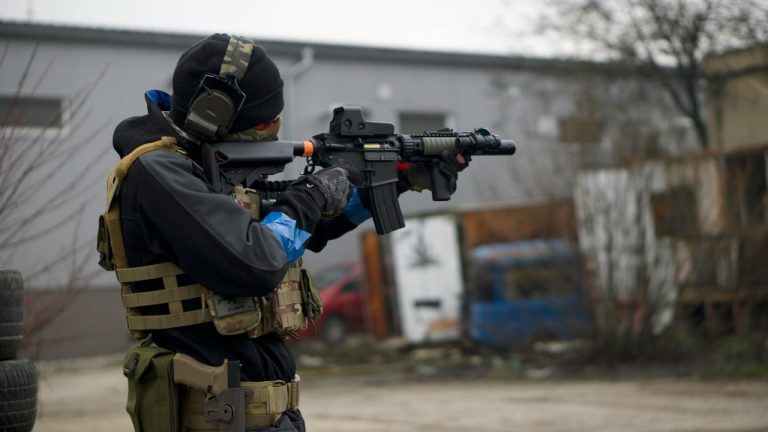
The models that keep surfacing in military units, law enforcement agencies, and serious civilian training circles share a few traits: reliability in filthy conditions, controls that are intuitive under stress, and support ecosystems that make parts, holsters, and training easy to find. From polymer duty pistols to pump shotguns and compact carry guns, the patterns in professional choices tell a clear story about what actually matters once the shooting starts.
What “professional grade” really means
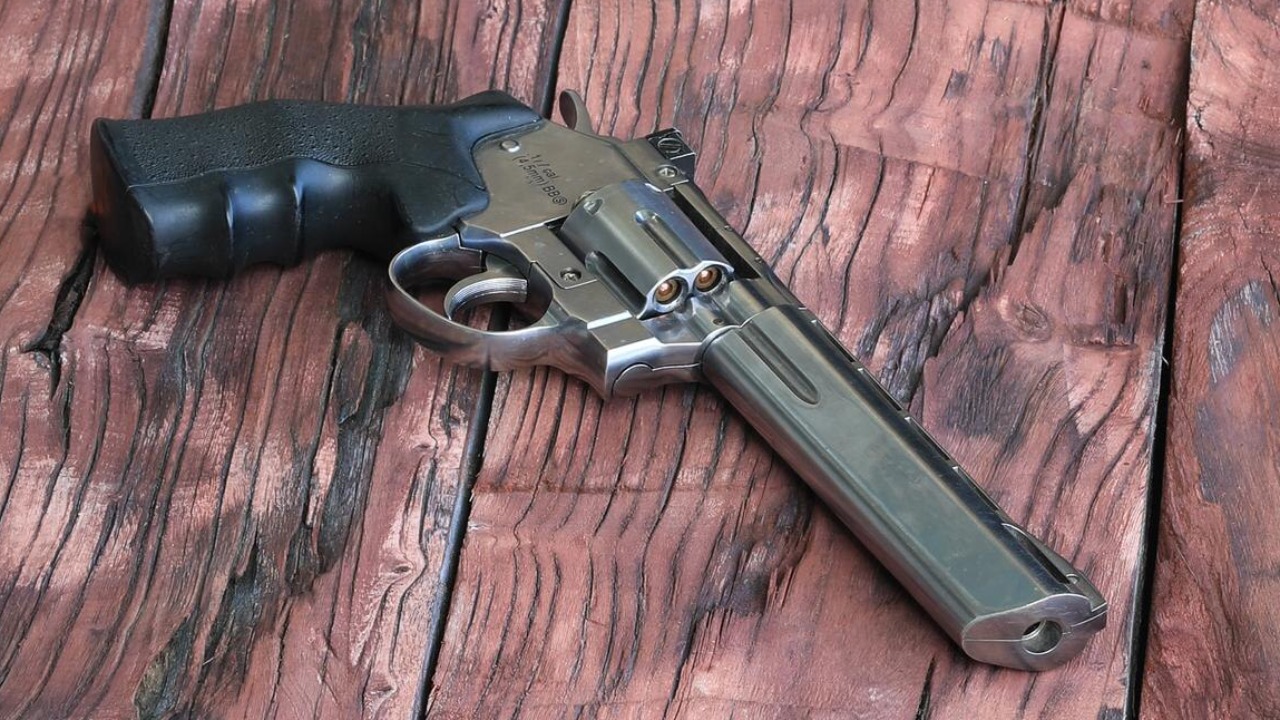
When I talk about guns trusted by people who carry them for a living, I am not just describing price tags or brand prestige. Professional grade starts with reliability, the expectation that a firearm will run through thousands of rounds in heat, cold, rain, and dust without a hiccup. Special operations units, for example, have gravitated toward pistols like the Glock 17 because it combines that reliability with a high magazine capacity and simple manual of arms. When elite units that can afford almost anything keep returning to the same workhorse sidearm, it signals that the fundamentals are sound.
Professional grade also means a platform that institutions can support at scale. Agencies want pistols and long guns backed by deep parts availability, armorer training, and a wide range of holsters and accessories. Lists of Best Home Defense tend to highlight the same duty‑style pistols and shotguns that police departments issue, precisely because those platforms have been vetted in large numbers. When a design survives that institutional gauntlet, it earns a level of trust that a boutique or unproven gun simply cannot match.
Glock’s rise from duty holsters to home defense staples
Few brands illustrate the professional‑to‑civilian pipeline better than Glock. In many “Our Top Picks” rundowns of handgun makers, Glock appears at the top, and that is not an accident. When you think of handguns, the iconic manufacturer Glock likely springs to mind, and that familiarity is rooted in decades of police and military contracts. When agencies shifted from revolvers to high‑capacity semi‑automatics, the company’s simple striker‑fired design, consistent trigger, and corrosion‑resistant finish made it an easy sell to armorers and line officers alike.
That institutional success has spilled directly into the home defense market. The compact Glock 19 is often described as a timeless classic that serves law enforcement officers and military personnel, and that same balance of size and capacity makes it a natural fit for civilians. In current buyer guides, the Glock 19 Gen 5 is singled out as “Best CCW,” with pricing around $540 at a major retailer. That kind of mainstream positioning, backed by years of duty use, explains why so many first‑time buyers are steered toward Glock as a default defensive choice.
Concealed carry workhorses shaped by daily carry
Professionals who carry concealed for a living, from detectives to plainclothes security, have pushed manufacturers toward ever more capable compact pistols. In many “Best CCW Handguns” lists, the Sig Sauer P365 X‑Macro is highlighted as the “Best Overall Concealed Carry Gun,” a recognition that reflects how much performance has been squeezed into a small footprint. The Macro variant offers a full grip and generous capacity in a package that still disappears under a cover garment, which is exactly what an off‑duty officer or armed professional needs when blending into public spaces.
Independent testing of Compacts reinforces that trend. Evaluators have put models like the Staccato CS, the Springfield Armory 1911 TRP CC AOS with a 4.25-inch barrel, and the Walther PDP Compact Steel Frame 4‑inch through their paces, focusing on shootability and reliability in realistic drills. When those same guns show up in the holsters of instructors and plainclothes officers, it signals that the balance of concealability, capacity, and control has reached a point where professionals are willing to trust them outside the range.
Staccato and the 2011 platform’s law‑enforcement surge
One of the most striking shifts in recent years has been the embrace of double‑stack 1911‑style pistols by law enforcement units that can choose their own sidearms. When the company behind these pistols rebranded to Staccato in 2020, its stated goal was to protect family and freedom by building a gun that continued the legacy of the 1911 while modernizing capacity and reliability. That mission resonated with tactical teams that wanted a crisp single‑action trigger and excellent accuracy without giving up the magazine capacity of a modern service pistol.
The adoption numbers are telling. The team at Staccato has said that its pistols are now approved for duty use by more than 700 law enforcement agencies across the United States, a remarkable footprint for a brand that was a niche competition choice not long ago. When SWAT officers and specialized units sign off on a platform that demands more training but offers superior shootability, it underscores a broader point: some professionals are willing to trade simplicity for performance, as long as the underlying gun is durable and supportable enough for daily carry.
Shotguns that professionals still trust up close
Even as carbines have become more common, many professionals still reach for a shotgun when they expect a fight at very close range. The appeal is straightforward: a long track record of stopping power and mechanical simplicity. In discussions of “Shotgun Reliability The right shotgun is also very reliable,” experts often single out the Pump action as a particularly forgiving design. With a simple manual of arms and robust internals, a quality pump gun will tolerate neglect and rough handling in a way that many semi‑automatics will not.
That is not to say semi‑auto shotguns have no place in professional arsenals, only that they come with trade‑offs. Guides that compare models point out that, “CONS: Just like the Mossberg 940, the Beretta 1301 is semi‑automatic, and again, that means more things can potentially go wrong” under stress. Those same analyses remind shooters to be mindful of a pump‑shoot rhythm when running a manual gun, but they still frame the Mossberg and Beretta designs as viable defensive options. The fact that both pump and semi‑auto shotguns remain in cruiser racks and armories speaks to their enduring utility when engagements are measured in feet rather than yards.
“Do‑it‑all” long guns shaped by survival and patrol needs
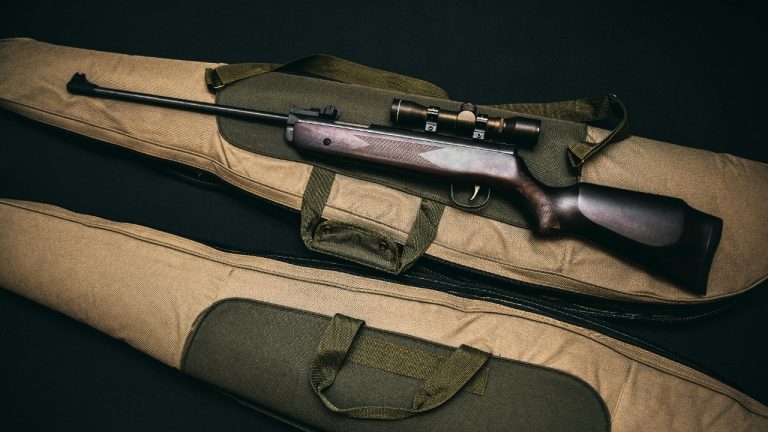
Professionals who may have to hunt, defend, and survive with a single firearm tend to favor versatile long guns. In one “THE QUICK LIST” of multi‑role platforms, the “Best Do‑It‑All Shotgun” slot goes to the Mossberg 500 Combo Field/Security, a package that pairs a hunting barrel with a shorter defensive tube. That Best Do It All Shotgun concept, built around the Mossberg 500, reflects what rural deputies and game wardens have known for years: a single pump gun can handle everything from birdshot on the farm to buckshot in a hallway.
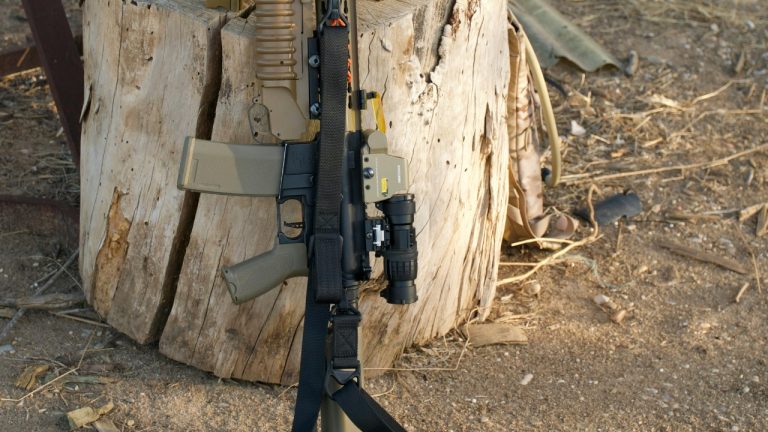
Similar logic drives the popularity of modular carbines among patrol officers and prepared civilians. In another “THE QUICK LIST,” the same evaluators highlight a “Best Do‑It‑All AR‑15,” underscoring how a quality carbine can be configured for home defense, vehicle deployment, or field use with nothing more than an optic and light change. The fact that these lists sit alongside recommendations for the All Shotgun and lever‑action platforms shows how professionals and serious users value redundancy and adaptability. A long gun that can ride in a patrol truck all week and still be pressed into service for a weekend training class is exactly the kind of tool that earns long‑term trust.
Home‑defense picks that mirror duty guns
When I look at curated lists of defensive firearms for civilians, what jumps out is how closely they mirror the guns riding in duty holsters and patrol vehicles. One widely cited rundown of the Best Home Defense highlights the Glock 19 Gen 5 as “Best CCW,” but it also gives space to shotguns and rifles that would be equally at home in a squad car. That overlap is not accidental. The same traits that matter to a patrol officer, such as reliability, manageable recoil, and intuitive controls, matter just as much to a homeowner who may be jolted awake at three in the morning.
Another guide that frames its picks as the “10 best home defense guns available” leads off with the Glock 19 and notes that “The Glock 19 is a timeless classic” used by law enforcement officers and military personnel. That direct connection between service use and civilian recommendation is reinforced when other analysts describe the The Glock 19 as a bridge between duty and concealed carry roles. For a homeowner trying to choose a first defensive firearm, the safest bet is often to follow those professional footprints, then tailor the choice to their own size, training time, and living environment.
Premium duty pistols and the Shadow Systems trend
Alongside legacy brands, a new wave of premium duty pistols has gained traction with professionals who want more refined ergonomics and optics‑ready slides out of the box. One example that keeps surfacing in expert recommendations is the Shadow Systems XR920P, described as a proven option “with all the trimmings.” That phrase captures what many officers and armed citizens are looking for: a pistol that blends Glock‑style reliability with enhanced grip texture, slide cuts, and sighting systems, without requiring aftermarket work. The fact that the Shadow Systems design is framed as suitable for someone’s “one and only gun” speaks volumes about its perceived reliability.
At the same time, evaluators caution that no matter how feature‑rich a pistol is, buyers should still put in serious range time before trusting it for defense. A separate look at the same Shadow Systems XR920P emphasizes the importance of testing any prospective home‑defense gun at the range before buying, a reminder that professional‑grade hardware is only half the equation. The other half is the user’s familiarity with the platform, from clearing malfunctions to running the trigger smoothly under stress. Professionals know this instinctively, which is why their gear choices are always paired with regular training.
How to apply professional lessons to personal choices
For someone choosing a defensive firearm today, the most useful step is to treat professional preferences as a filter rather than a script. Starting with brands that appear in “Our Top Picks” lists, such as Glock, and then narrowing down to models that fit your hand and lifestyle is far more productive than chasing the latest novelty. The same logic applies to long guns. If a Mossberg 500 or similar pump shotgun shows up repeatedly in “THE QUICK LIST” style rundowns of versatile platforms, that repetition reflects a depth of field experience that a new design has not yet earned.
Finally, I pay close attention to how experts weigh pros and cons in detailed guides. When analysts spell out that “CONS: Just like the Mossberg 940, the Beretta 1301 is semi‑automatic, and again, that means more things can potentially go wrong,” they are not dismissing those guns, they are highlighting the trade‑offs that professionals accept knowingly. Cross‑referencing those cautions with broader overviews of home‑defense gun options, and with lists of Best CCW Handguns, helps build a short list of candidates that have already been vetted by people who carry a gun not as a hobby, but as a job. From there, the final step is personal: get hands‑on time, train hard, and choose the tool you can run with the same confidence those professionals bring to work every day.

Leo’s been tracking game and tuning gear since he could stand upright. He’s sharp, driven, and knows how to keep things running when conditions turn.