Bears don’t hibernate the way most people think
Bears have become the unofficial mascots of winter sleep, but the science behind their cold‑season slowdown looks very different from the cartoon image of months of silent, unbroken slumber. Biologists now describe a flexible survival strategy that lets bears stay responsive, shift dens, and even give birth while their bodies run on a kind of low‑power mode. The gap between that reality and the popular myth has real consequences for how I think about safety on the trail, wildlife policy, and even human medicine.
Rather than a single neat definition, researchers describe a spectrum of winter behaviors that ranges from deep hibernation in animals like groundhogs to the lighter, more adaptable dormancy seen in black, brown, and polar bears. That spectrum helps explain why people keep arguing over whether bears “really” hibernate, and why the answer depends on which part of their winter routine you choose to focus on.
Why scientists say bears are not classic hibernators
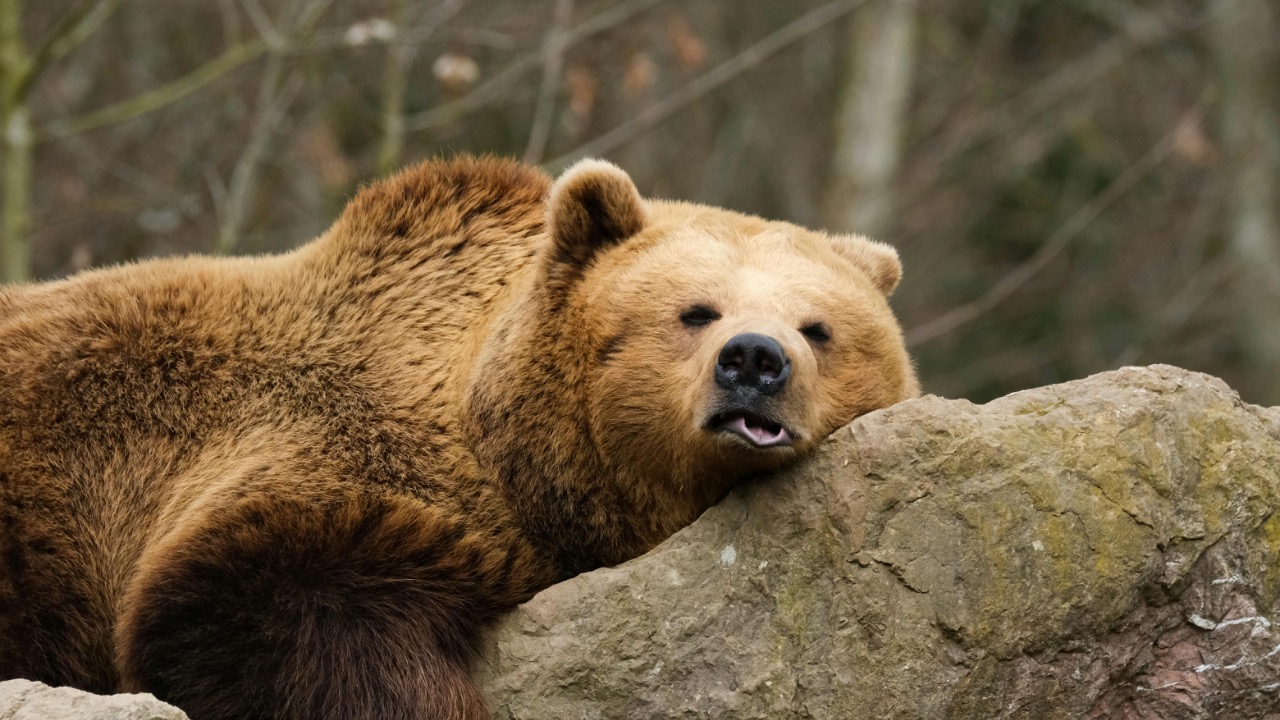
When most people say hibernation, they picture an animal whose body almost shuts down, with a body temperature that drops close to freezing and a heart that barely beats. Groundhogs and some bats fit that description, but bears do not. Physiologists point out that bears do not in that extreme sense, because their body temperature falls only a few degrees and they can still wake and react if disturbed. That is a very different pattern from a rodent whose temperature and metabolism plunge so far that waking up is slow and difficult.
Some wildlife groups explain the contrast by comparing bears to so‑called true hibernators such as groundhogs in the, whose body temperature and heart rate drop sharply for long stretches. Bears, by contrast, enter a state sometimes called torpor or winter dormancy, where their metabolism slows but they remain capable of moving, shifting position, and even defending themselves if needed. That lighter sleep is why researchers and land managers keep pushing back on the idea that a bear in a den is essentially a stone that will stay put until spring.
Denning, torpor, and the language problem
The vocabulary around winter sleep does not help. Wildlife educators point out that people often mix up hibernation, torpor, and, even though they describe different things. Hibernation and torpor refer to what is happening inside the animal, such as changes in body temperature and heart rate, while denning refers to the behavior of retreating to a sheltered spot. Bears clearly den, often for months without eating, drinking, urinating, or defecating, but their internal state does not reach the same depth as a ground squirrel that spends winter in a near‑frozen stupor.
That confusion shows up in public messaging. Some outreach campaigns flatly tell people that myth that bears, stressing instead that bears slow down and enter torpor while still able to wake. Others argue that bears are “super hibernators” because they can go months without food or water while pregnant females carry and nurse cubs. To me, the labels matter less than the practical point: a bear in a den is not a lifeless object, and treating it as such is risky for both people and wildlife.
Inside a bear’s winter body
What makes bear dormancy so striking is how their bodies walk a tightrope between deep rest and readiness. Biologists who study winter physiology describe how bears in Yellowstone lower their heart rate to a fraction of normal while keeping their body temperature much closer to that of a healthy human than a true hibernator. That combination lets them conserve energy and recycle waste products while still avoiding the tissue damage that would come from repeated freezing and thawing. Researchers have even suggested that the way bears prevent muscle loss and kidney failure could guide new treatments for people.
Neuroscientists link that seasonal shift to the same internal clock that controls daily sleep. In a long interview on sleep and biology, Andrew Huberman described how there are peptides from this same clock that push animals like ground squirrels or bears into torpor. He also called out the myth that bears are simply asleep all winter, a point that matches what field biologists see when they monitor dens and record bears shifting, nursing, and sometimes leaving the den during warm spells. For me, that science makes the winter den feel less like a cave of dreams and more like a finely tuned life‑support system.
Black bears: the “super hibernators” in our backyards
Black bears are the animals most people in North America will actually encounter, and their winter routine is anything but uniform. Wildlife educators in Wisconsin have stressed that Black Bears Don’t Hibernate in the strict textbook sense, because they remain alert enough to move around, care for cubs, and, if necessary, defend themselves. That same message appears in hunting circles, where one popular post framed the idea bluntly: know black bears do not actually hibernate the way most people think, even though they slow down for part of the year everywhere they live.
Season, sex, and family status all shape how long a black bear stays denned. Park interpreters in the Southeast have explained that What are black in winter depends on local weather and food, with bears in Georgia behaving differently from those in colder states. Hunters and wildlife officers add that pregnant sows den earlier and stay longer, because they are keeping tiny cubs warm and fed in a confined space. That flexibility is why I treat any winter hike in bear country as a time to stay alert, not a season when the woods are automatically bear‑free.
Grizzlies, polar bears, and the northern twist
Brown bears and grizzlies share many traits with black bears, but their northern ranges and diets change the winter equation. In the Greater Yellowstone region, naturalists have described how hibernation is triggered by shortening days and hormonal changes that push bears to eat huge amounts of food before denning. Once in the den, their heart rate and metabolism drop, but, as one field guide put it, they can still be roused and will sometimes emerge during warm spells. Some observers have even framed the debate as a question of whether bears are “super hibernators” or something else, a reflection of how their winter state sits between classic categories.
Polar bears add another layer, because their survival depends so heavily on sea ice and marine prey. Wildlife photographers have documented how November, pregnant polar dens up to ten feet below the snow’s surface, where they give birth to one to three cubs and stay until the cubs are strong enough to travel. Outside of those maternity dens, many polar bears stay active through winter, roaming the sea ice in search of seals. One outreach post described how Polar bears are animals that will eat a variety of prey, including beluga whales and walruses, which makes a months‑long sleep on land a poor strategy for most adults.
Where bears actually spend the winter
The classic storybook cave is only one of many places a bear might ride out the cold. Winter camping guides point out that Bears don’t hibernate seen in cartoons, but instead squeeze into small, sheltered spots like hollow logs, root balls, or shallow depressions in the ground. A winter safety explainer went further, noting that hibernating bears hunker down in tight, cozy spaces that trap heat and make it harder for predators or people to spot them. That snug fit also helps explain why a startled bear can explode out of a den with surprising speed.
In more developed landscapes, dens can be startlingly close to people. One Virginia wildlife reel warned that Bear dens can and may be tucked under brush piles, rock overhangs, and even under porches or unsecured crawl spaces. Another outreach campaign showed photos asking Where do bears, with hints that dens might be under decks, in old stumps, or beside ski slopes. That creativity matches a broader pattern described by advocates who note that Bears are flexible, opportunistic animals that will use almost any sheltered spot they can find if it keeps them safe and hidden until spring.
Winter is not a guarantee of zero bear encounters
The myth of total winter sleep can lull people into a false sense of security. Regional broadcasters in Appalachia have warned that residents should be bear aware because encounters can spike during certain seasons, including late fall when bears are still foraging hard and early spring when they first emerge from dens. Wildlife officers in Tennessee have echoed that message, reminding people that Tennessee and other with relatively mild winters, bears do not always stay denned and may remain active through hunting seasons and warm spells.
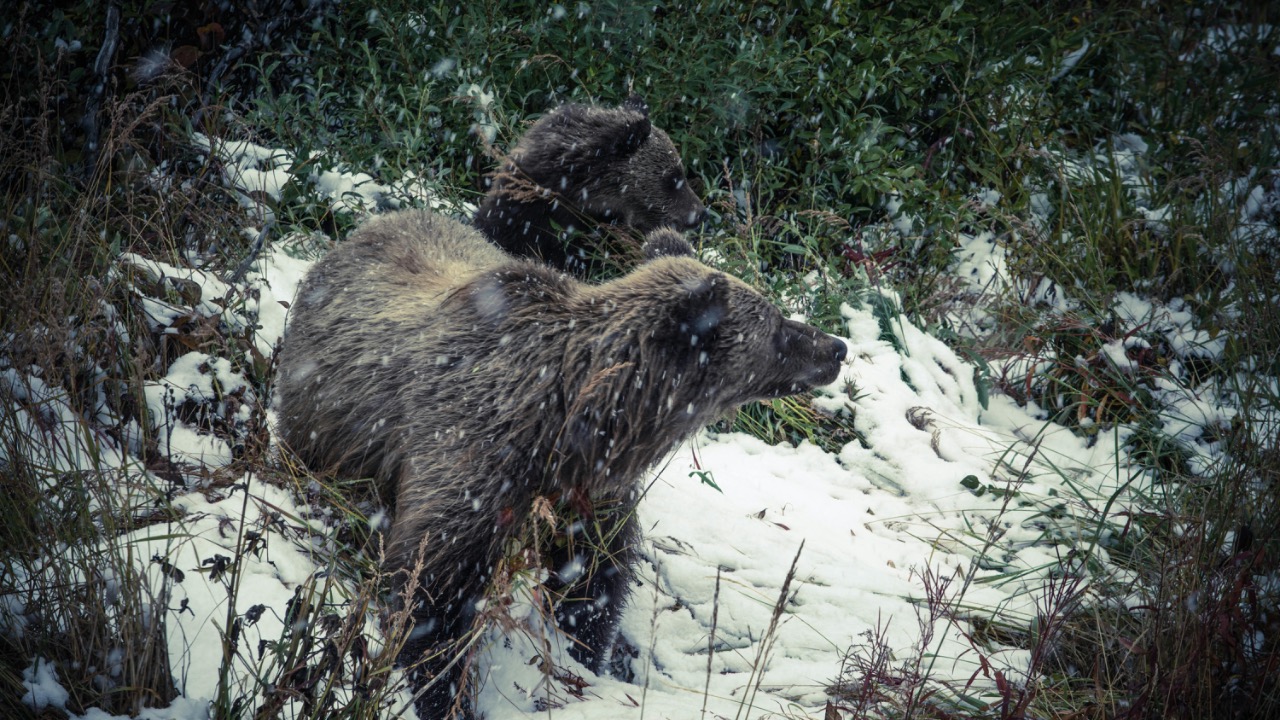
Even in colder regions, bears may wake and move around during storms or thaws. A recent wildlife update described how, as snow melts, Bear Update reports show animals leaving winter dormancy and emerging from dens they had lined with branches and twigs. On the tundra near Churchill, Manitoba, a guide described a Great first day of a Polar Bear Photography Tour where howling winds sometimes made bears hunker down, but on that day they were all on the move. For anyone who spends time outdoors, the lesson is straightforward: there is no calendar page when bear safety stops mattering.
How climate and food are rewriting bear winters
Climate, food availability, and human development are reshaping what winter looks like for bears. In places with milder winters, some wildlife officers now describe bears that barely den at all, choosing instead to stay active as long as they can find food in garbage cans, bird feeders, or unsecured livestock feed. One local report from Pennsylvania explained that bears don’t always the way people expect, and that warmer conditions and abundant food can keep them up and moving. That pattern lines up with field reports from Tennessee and other southern states, where denning periods are shorter and more fragmented.
At the same time, conservation groups warn that conflicts over food and habitat are rarely simple. One advocacy site argued that, in the case of bears, However, problems are than a single bad actor or a single “problem bear,” because development, unsecured trash, and emotional reactions to animal encounters all feed into conflict. Climate‑driven changes in snowpack and berry crops only add to that complexity. I find that the more I understand about how bears adjust their winter behavior to shifting conditions, the less satisfying simple blame stories become.
Why the hibernation myth still hangs on
Given the volume of modern research, it is fair to ask why the old story of months of perfect sleep still dominates. Part of the answer lies in how we talk about wildlife in general. Educational PDFs still open with lines like Although we commonly, before going on to explain the differences between bears and true hibernators. That kind of phrasing keeps the familiar word in circulation even as it tries to correct the details. Popular science explainers do something similar, leading with the hook that bears don’t actually before unpacking what they do instead.
Social media has become a battleground for those competing stories. One South Lake Tahoe group opened a video with the line know it is that bears hibernate in the winter, while others in hunting and hiking circles still talk casually about hibernation without qualifiers. I see the same tension in educational campaigns that ask people to be “bear aware” year‑round but still rely on the old vocabulary, because it is so deeply rooted in childhood stories and cultural shorthand.

Leo’s been tracking game and tuning gear since he could stand upright. He’s sharp, driven, and knows how to keep things running when conditions turn.