Ohio gubernatorial candidate criticizes limits on repairing privately owned equipment
Ohio’s 2026 governor’s race is colliding with a national fight over who controls the tools, tractors, and devices people buy. While one Republican hopeful is building a brand around property rights and individual freedom, farm groups and manufacturers are already locked in detailed negotiations over how far those rights go when software and sensors are built into every machine. The result is a campaign season where “right to repair” hangs in the background, even when candidates do not name it directly.
Limits on fixing privately owned equipment are no longer an abstract tech debate. For farmers, small manufacturers, and families staring at rising costs, the question of who gets to open the hood on a broken machine now ties into health care bills, factory jobs, and the price of food. That is the landscape taking shape as Ohio’s contenders, from Dr. Amy Acton to Casey Putsch, outline what they think government should and should not control.
How right-to-repair became a fight over basic ownership
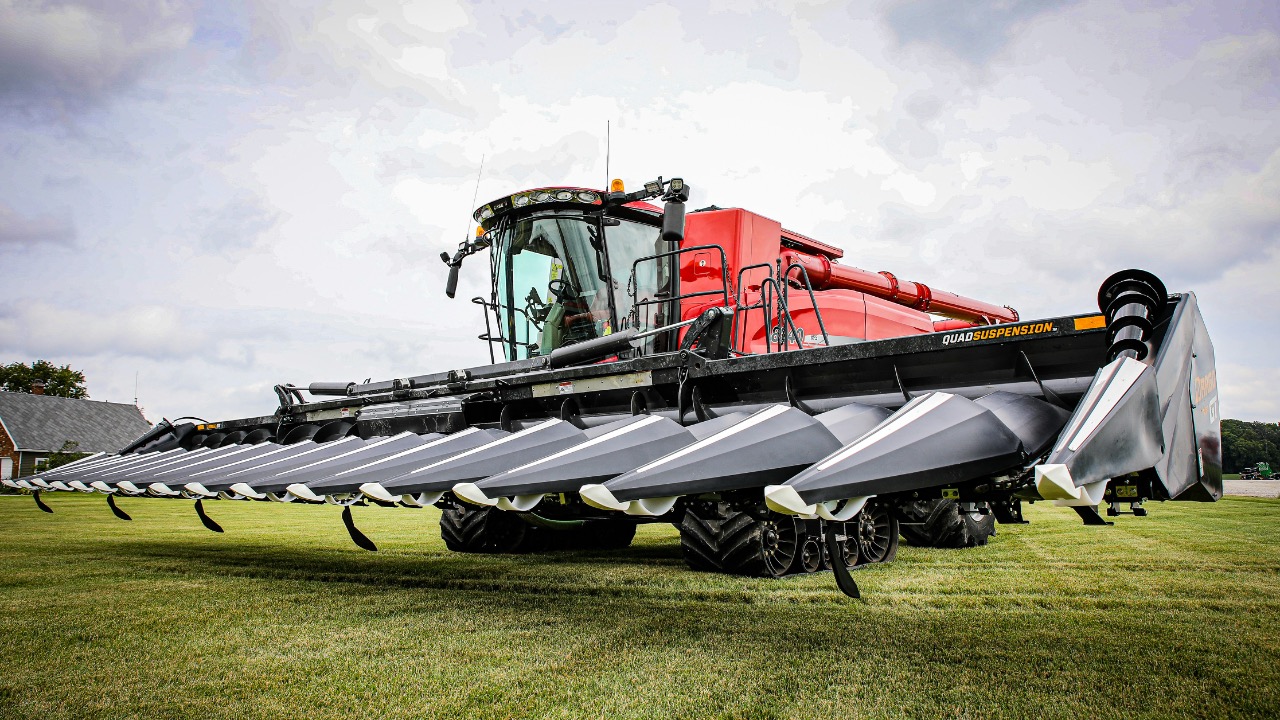
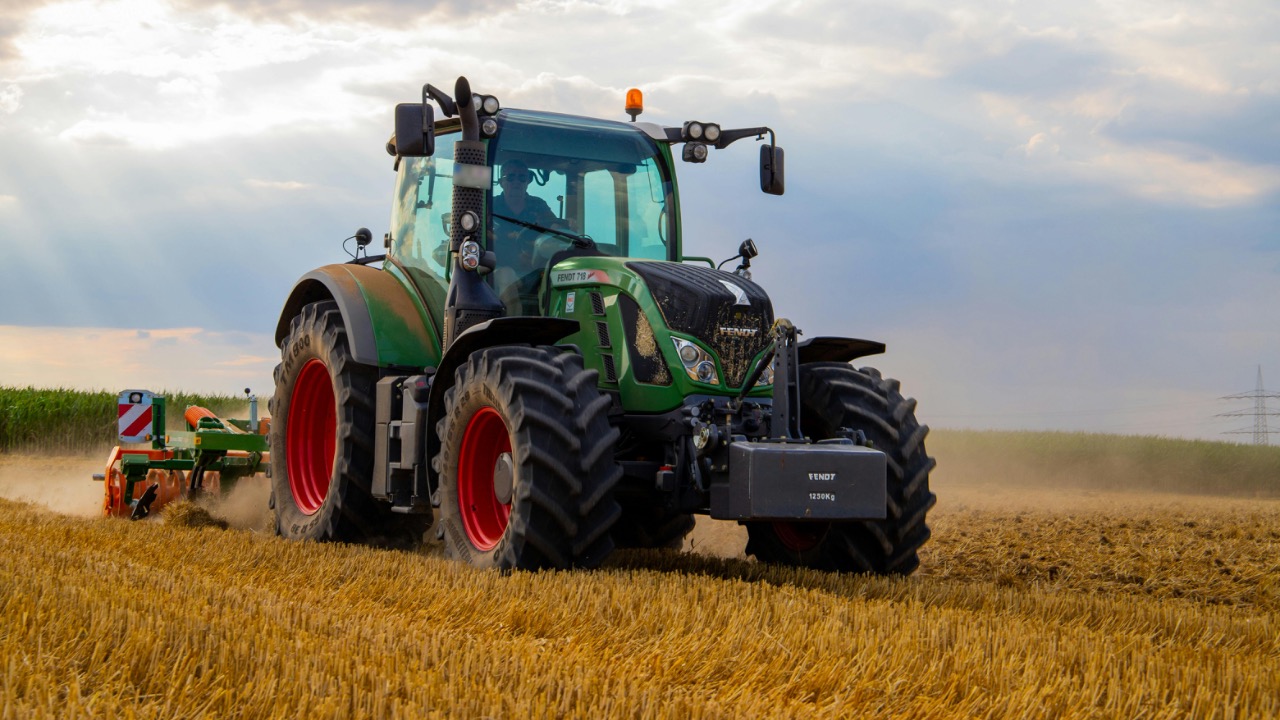
At the center of the right-to-repair argument is a simple claim: if you bought it, you should be allowed to fix it. In practice, modern equipment often comes locked down by software, encrypted parts, and contracts that steer owners back to the manufacturer for every serious repair. For farmers running six-figure combines or planters, that can mean long delays in the middle of planting or harvest and bills that eat into already thin margins.
Farm groups have responded by pressing large companies to sign agreements that open up more tools and data. One key step was an MOU with John Deere, which set terms for how farmers could access diagnostic tools for high-tech machines. National advocates say that, Through AFBF, about three quarters of the agricultural machinery sold in the United States is now covered by similar arrangements, with the goal of bringing in even more manufacturers in the future.
Ohio’s farm lobby and the limits of private repair
Ohio’s farm organizations have treated repair access as a pocketbook issue, not a culture war slogan. The state’s main farm group has explained to members how software-based locks, proprietary diagnostic codes, and remote disabling tools can leave growers stranded when a tractor or combine fails in the field. Their outreach stresses that modern machines are rolling computers, which means a broken sensor or locked code can stop a harvest just as surely as a blown engine.
To address that, the Ohio Farm Bureau has highlighted national agreements that give producers more control over their own equipment. In its discussion of right to repair, the group describes how these deals are supposed to let farmers and independent mechanics handle many fixes without waiting on a dealer. At the same time, it notes that the agreements do not change who owns the underlying software, which means the debate over full repair rights is far from settled.
Where the 2026 governor’s race stands
That unresolved tension is playing out as Ohio heads into a wide-open contest for governor. On the Democratic side, Dr. Amy Acton is running after serving as head of the Former Ohio Department, and she is described as a Democraticcandidate for governor. Coverage of statewide races lists her among the contenders and also names other hopefuls, including a Former Congressman Tim in a different contest.
On the Republican side, business-focused candidates are trying to frame themselves as allies of small firms and rural voters. One report notes that Vivek Ramaswamy, the Republican candidate for Ohio Governor, picked Senate President Rob McColley as his running mate, a choice that appeals to business groups that want predictable rules on regulation and property.
The Democratic message: costs, care, and consumer power
Dr. Amy Acton has made rising costs her central theme, especially in health care, and that message overlaps with the pocketbook stress farmers feel when they cannot fix their own tools. In a recent appearance, the Ohio Democraticgubernatorial candidate Amy Acton warned that medical bills are pushing families “right to the edge,” and coverage of that event included a Photo credit to Ohio Capi reporter Nick Evans. The piece also cited a figure of 55 percent when describing how many Ohioans reported skipping care because of cost in one survey.
Her broader platform ties that concern to a promise of “affordable and accessible healthcare” and support for working families. In a separate discussion of her priorities, a post described the Democratic candidate for Ohio governor Amy Acton laying out her top goals in a video posted in Dec. While she has not publicly tied that agenda to right-to-repair, the through line is the same: a promise to lower costs and give residents more control over the essentials in their lives.
Republican themes: freedom, business, and repair politics
Republican candidates are leaning on a different kind of control argument, one that emphasizes freedom from regulation and trust in markets. In CLEVELAND, coverage of the race noted that the leading contenders from each party announced their running mates on a Wednesday in early Jan, and described the Republican ticket as focused on business-minded leadership in Ohio. That framing appeals to manufacturers who are wary of new mandates on how they design or service their products.
Another Republican figure, Casey Putsch, has cast his campaign in broad terms of liberty and well-being. In a profile, he is quoted saying that “The best interest of everybody in the state is so that they can have a pursuit of happiness, and that with anything in the state, it is done in the best interest of the people,” a line that he uses to explain his philosophy. He entered the race in Jan, but Unverified based on available sources whether he has taken a specific public stance on right-to-repair or the detailed limits on fixing privately owned equipment.
Parties, primaries, and the stakes for repair policy
Behind the individual candidates, party organizations are already lining up their messages for 2026, and those messages will shape how any repair bill is received. The state party for Democrats, for example, uses its website to highlight its slate of candidates and its focus on working families, and the Ohio Democratic organization is likely to tie consumer issues like repair access to broader themes of fairness and household costs. That framing could make it easier for a future Democratic governor to argue that repair limits are part of a larger pattern of corporate control.
Republican-aligned groups, for their part, are already signaling that they want a governor who is cautious about new rules on business. Small-business advocates have described how they are watching the Jan announcements by leading candidates, including the choice of Rob McColley as a lieutenant governor pick, as signs of how friendly the next administration might be to manufacturers. That same report also noted that David Pepper joined the race for lieutenant governor on the Democratic side, underscoring how both parties are filling out tickets that will soon face questions on technology and property rights.
Manufacturing fights and the politics of oversight
The repair debate is not limited to farms and fields. It is tied to a broader manufacturing fight in Ohio, where lawmakers and watchdogs are sparring over contracts, subsidies, and how closely the state should watch industrial projects. In one public post about a dispute over a program called the Sister Accord, the author wrote, “On October 28th, I forwarded the Sister Accord contract to the State Auditor waste and fraud division. I never expect much with this Audit, but it is in my toolkit for now.” That reference to On October and the State Auditor shows how scrutiny of contracts and technology deals is already a live political issue in Dec.
That same instinct to dig into the fine print will matter if Ohio ever considers a statewide right-to-repair law. Manufacturers could argue that too much access to software tools risks intellectual property or safety, while farmers and small shops will say that without real control over their machines, they are at the mercy of distant companies. The current fight over manufacturing oversight, complete with calls for an Audit of the Sister Accord contract, hints at how intense those arguments could become once they move from farm group agreements into the Statehouse.
Voters, word-of-mouth, and what remains unverified
For now, much of the right-to-repair conversation in Ohio is happening outside the formal campaign trail. Voters hear about it from neighbors whose tractors sat idle waiting on a dealer, from small-town phone repair shops that cannot get parts for newer models, and from social media posts about bills in other states. Coverage of the 2026 races has focused more on who is running than on how they would handle these specific questions, with explainers listing candidates like Here and noting that Amy Acton joined the race in Jun.
That gap leaves room for speculation, and it also requires some restraint. Unverified based on available sources are any claims that Casey Putsch has directly criticized limits on repairing privately owned equipment or that he has framed those limits as an attack on property rights. The only on-record quote from him in the provided reporting is his broad statement about the pursuit of happiness and acting in the best interest of the people. Until candidates spell out where they stand on right-to-repair, voters will have to infer their likely approach from their broader philosophies on regulation, business, and consumer choice.
How a future governor could shape repair rules
Whoever wins the governor’s office will not write the fine print of any right-to-repair bill, but the next administration will have real influence over how far Ohio goes. A governor who echoes farm groups and small repair shops could push lawmakers to go beyond voluntary MOUs and set clear rights for owners of tractors, phones, and medical devices. That same governor could also direct agencies to side with consumers when disputes arise over what counts as a safe or legal repair.
On the other hand, a governor who leans toward manufacturer concerns could slow or narrow any repair legislation, arguing that contracts and private agreements are enough. Party platforms, such as those promoted by the Ohio Democratic ticket overview that also mentions a figure of 55, and the business-first messaging from Republican hopefuls, will give voters some clues. But until repair access becomes a direct campaign question, the future of privately owned equipment in Ohio will sit in a gray area between farm-bureau agreements and the next governor’s sense of who really owns the machines that keep the state running.

Leo’s been tracking game and tuning gear since he could stand upright. He’s sharp, driven, and knows how to keep things running when conditions turn.