Glow-in-the-dark squirrel discovered in Wisconsin surprises researchers
A small nocturnal mammal in Wisconsin has turned out to be far stranger than it looks under ordinary light. When exposed to ultraviolet light, the southern flying squirrel’s fur shines a vivid pink, a glow-in-the-dark effect that has startled backyard naturalists and professional researchers alike. What began with a chance observation in the Northwoods has grown into a broader investigation of how many mammals might be hiding fluorescent colors that only appear after dark.
The discovery has forced biologists to rethink basic assumptions about familiar wildlife and the limits of human perception. It serves as a reminder that the forests of northern Wisconsin, and the animals that live there, still hold surprises even in an age of satellite tracking and genetic sequencing. The glowing squirrel is not just a quirky curiosity, but a doorway into questions about evolution, communication, and how much of the natural world we still fail to see.
From backyard mystery to scientific surprise
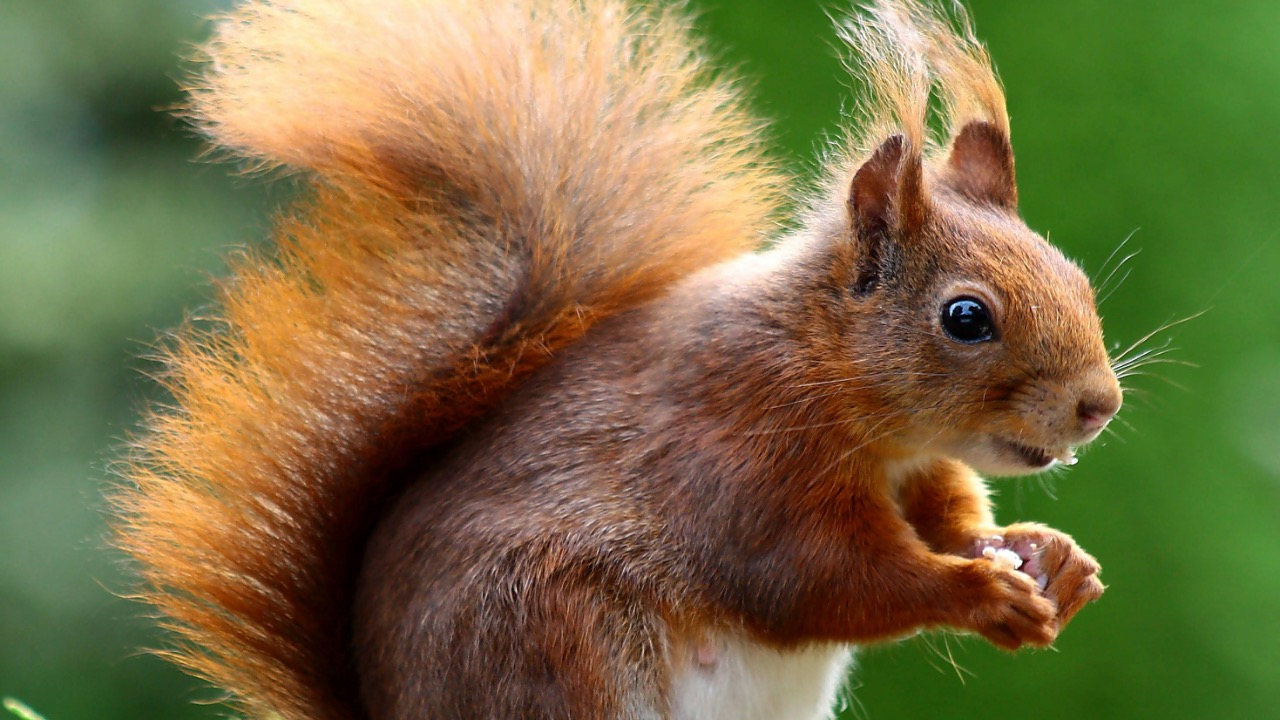
The story begins with a simple flashlight swap. In northern Wisconsin, naturalist Jon Martin stepped into his backyard with a handheld ultraviolet lamp and noticed that a flying squirrel visiting his bird feeder lit up in an unexpected color. Instead of the soft brown and white he was used to seeing, the animal’s fur shone with a bright, bubble gum pink sheen under the UV beam, a sight that pushed him to contact researchers who could test whether this was a trick of the light or a real biological effect supported by new research.
Once the initial shock faded, Martin worked with biologists to examine museum specimens and live animals to see whether the glow was widespread or limited to a few odd individuals. That step turned a backyard oddity into a testable pattern that could be checked against dozens of preserved skins and freshly captured squirrels. Their work showed that the pink fluorescence was not a fluke but a consistent feature of flying squirrels, revealing a hidden layer of color that had gone unnoticed in the forests of Wisconsin and beyond.
What biofluorescence actually is
To understand what makes the squirrel glow, it helps to separate fluorescence from more familiar forms of light and color. Biofluorescence happens when an animal absorbs energy at one wavelength, such as ultraviolet, and then re-emits it at a longer wavelength that we can see, in this case a hot pink. That is different from bioluminescence, where creatures like fireflies generate their own light through chemical reactions, and it also differs from simple pigmentation that reflects visible light without transforming it, as described in early reports on fluorescent pink fur.
In practical terms, the squirrel looks ordinary under daylight or a regular flashlight, then suddenly appears outlined in neon under UV light. That contrast is part of what makes the discovery so striking, because it shows how much our view of wildlife depends on the slice of the spectrum we happen to use. The same forest that looks muted and brown to us can be full of glowing patterns to animals that see ultraviolet, and the flying squirrel’s fur is now one of the clearest examples of that hidden palette in a mammal.
Why Wisconsin became the glow-in-the-dark epicenter
Northern Wisconsin might not seem like the obvious place to uncover a new trait in mammals, yet the region’s mix of field stations, museums, and curious observers created the right conditions. Researchers working in that landscape were already familiar with the local squirrel species and had access to collections that included skins from across the state, which allowed them to confirm that the southern flying squirrel in Wisconsin was one of the first mammals documented with this kind of pink biofluorescence, as later described in coverage of discoveries in Wisconsin.
The state also turned out to be a hub for collaboration between naturalists like Jon Martin and academic scientists who could bring lab tools to bear on a backyard observation. That partnership has become a model for how local curiosity can feed into formal research, especially in places where wildlife is common and people spend a lot of time outdoors at night. Wisconsin’s role in the story shows that scientific breakthroughs do not always start in high-tech labs; they can begin with someone shining a different kind of flashlight at a familiar animal.
How researchers tested the pink glow
Once the first glowing squirrel was documented, scientists needed to check whether the effect held up under controlled conditions. Teams examined preserved specimens from the genus Glaucomys in museum drawers, shining ultraviolet light on dozens of skins to see if the same pink pattern appeared. They found that almost all of these Glaucomys samples showed strong fluorescence, while daytime, tree-dwelling squirrels from other genera did not, a contrast that was highlighted when researchers reported that nearly every tested Glaucomys specimen had hot pink UV.
Fieldwork then extended the tests to living animals, with researchers capturing flying squirrels at night and scanning their fur under portable UV lamps before releasing them. That combination of museum and field evidence shows that the phenomenon is not an artifact of preservation and that it appears in multiple populations. The pattern—nocturnal Glaucomys glowing while diurnal squirrels stay dark under UV—suggests that the trait may be linked to nighttime behavior, even if its exact function is still unknown.
Competing theories: camouflage, communication, or coincidence
With the glow confirmed, the obvious question is why the squirrels have it at all. Scientists have floated several possibilities, ranging from camouflage in snowy or lichen-covered habitats to signaling between individuals that can see ultraviolet light. Some have suggested that a pink sheen might help a flying squirrel blend into certain backgrounds under UV-rich moonlight, while others think it could help them recognize each other in the crowded canopy, lines of thought that echo broader conversations about why the squirrels.
There is also a more modest possibility that the glow is simply a byproduct of some other trait, such as the structure of the fur or the chemistry of its pigments, with no direct benefit to the animal. Researchers have been candid about how little they can say with certainty so far, keeping the focus on what the data show rather than forcing a tidy explanation. For now, the pink light is a clue rather than a conclusion, a sign that there may be more going on in the squirrel’s nighttime world than we currently understand.
The broader hunt for glowing mammals
Once flying squirrels were shown to fluoresce, scientists began checking other mammals to see if the trait was more widespread. Follow-up work extended UV tests to species as varied as opossums and platypuses, revealing that the pink glow was not limited to one family of rodents and hinting at a larger pattern of hidden fluorescence in fur and skin. One account of this expanding search noted that by October 2020 researchers had linked biofluorescence not only to flying squirrels but also to a recently killed wild platypus, a finding that helped push the topic into public view through local reports.
As more species are checked, the list of glowing mammals keeps growing, turning what once looked like a quirky exception into a potential pattern. The Wisconsin squirrel now reads as the opening chapter in that story, the first hint that mammals might share fluorescent traits long known from fish, corals, and birds. Each new confirmed case raises fresh questions about whether these glows evolved independently or reflect a deeper, shared feature of mammalian biology that we had simply failed to look for under the right light.
From Northwoods to national fascination
The idea that a common forest mammal glows pink under UV light has captured public imagination far beyond the scientific community. Radio segments have traced how Jon Martin’s backyard observation turned into years of ongoing research, with interviews that feature Paula Spaeth Anich describing how the team kept peeling back layers of questions about biofluorescence in mammals, a process she framed simply as scientists doing what they do, as recounted in coverage of Jon Martin’s backyard.
That storytelling has helped turn a technical topic into something accessible, with listeners invited to picture a quiet northern backyard suddenly lit by pink fur. Narratives like that connect lab findings to lived experience and encourage people to look at their own surroundings with fresh curiosity. The squirrel’s glow has become a gateway for broader conversations about how science works, from the first moment of surprise to the careful work of testing and retesting a new idea.
How books and classrooms picked up the glow
The glowing squirrel has not stayed confined to research papers and radio features; it has also made its way into children’s literature and classrooms. One example is the book titled Mysterious Glowing Mammals: An Unexpected Discovery Sparks a Scientific Investigation, written by Maria Parrott Ryan, which uses the flying squirrel story to walk young readers through how a chance observation can grow into a full scientific project, a connection highlighted in a CCBC review.
By centering Jon Martin, Paula Spaeth Anich, and their colleagues, the book shows students that scientific investigators can start as bird feeder watchers and backyard naturalists, not just people in white coats. That framing has become a powerful teaching tool, because it presents science as a process anyone can join by asking careful questions about the world. The fluorescent squirrel becomes both a character in the story and a case study in observation, hypothesis, and evidence, making the abstract idea of a “Scientific Investigation” feel grounded in real animals and real forests.
Why the pink squirrel still matters
Years after the first glowing squirrel in Wisconsin was spotted, the pink fur continues to challenge assumptions about what we think we know about common species. Biofluorescence research has expanded to include more Glaucomys specimens and additional mammals, and the original finding that flying squirrels hide a brilliant, bubble gum pink under ultraviolet light remains a touchstone for ongoing work that keeps returning to that first surprise documented in early coverage.
The enduring value of the discovery lies in how it changes our sense of the ordinary. A small nocturnal rodent, long overlooked and rarely seen, turns out to carry a secret color that only appears under a narrow slice of the spectrum. That simple fact invites a larger question: if a flying squirrel in Wisconsin can glow pink without anyone noticing for so long, what else in the woods is still waiting to be seen under a different kind of light?

Leo’s been tracking game and tuning gear since he could stand upright. He’s sharp, driven, and knows how to keep things running when conditions turn.