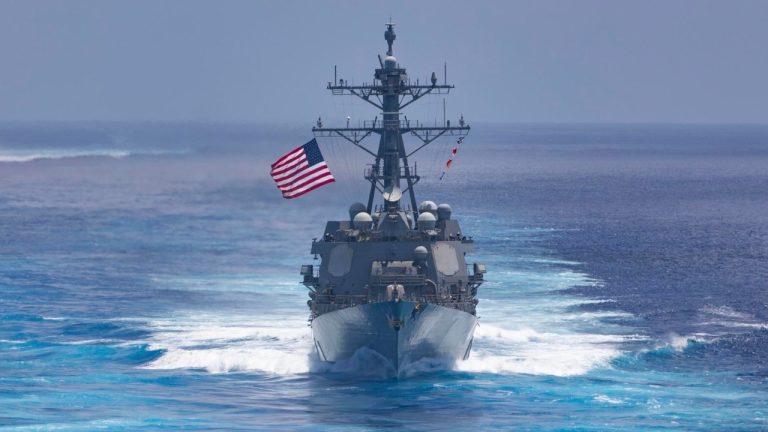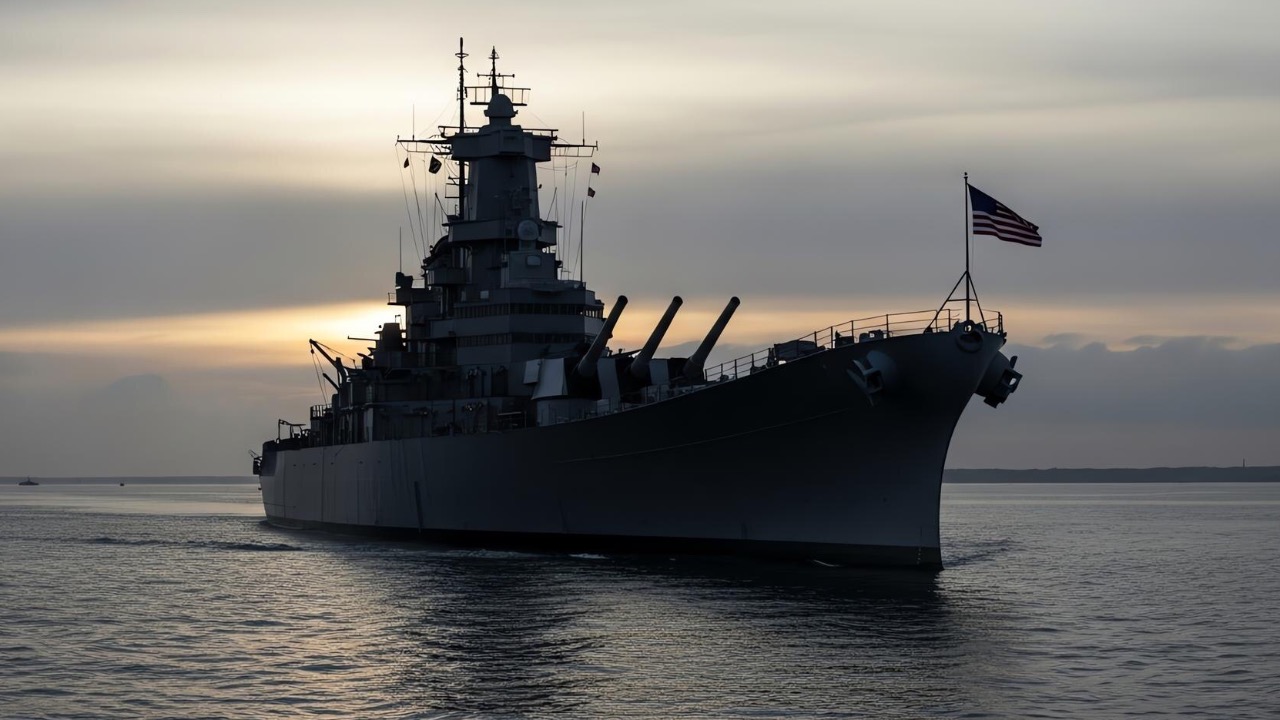
U.S. Navy strengthens presence at key Mediterranean base
If you follow naval movements at all, you’ve probably noticed a steady shift in attention back toward the Mediterranean. That sea has always mattered, but lately it carries even more weight. When the U.S. Navy reinforces a major foothold there, it isn’t random. It’s about access, deterrence, logistics, and the ability to move fast when something flares up along NATO’s southern edge.
One base sits at the center of that effort: Naval Air Station Sigonella. From that stretch of Sicilian concrete and coastline, you can reach North Africa, the Eastern Mediterranean, and the Black Sea approaches without crossing an ocean. Strengthening operations there changes how quickly the Navy can respond to trouble—and how visible that response becomes.
Why Sigonella Matters More Than Ever
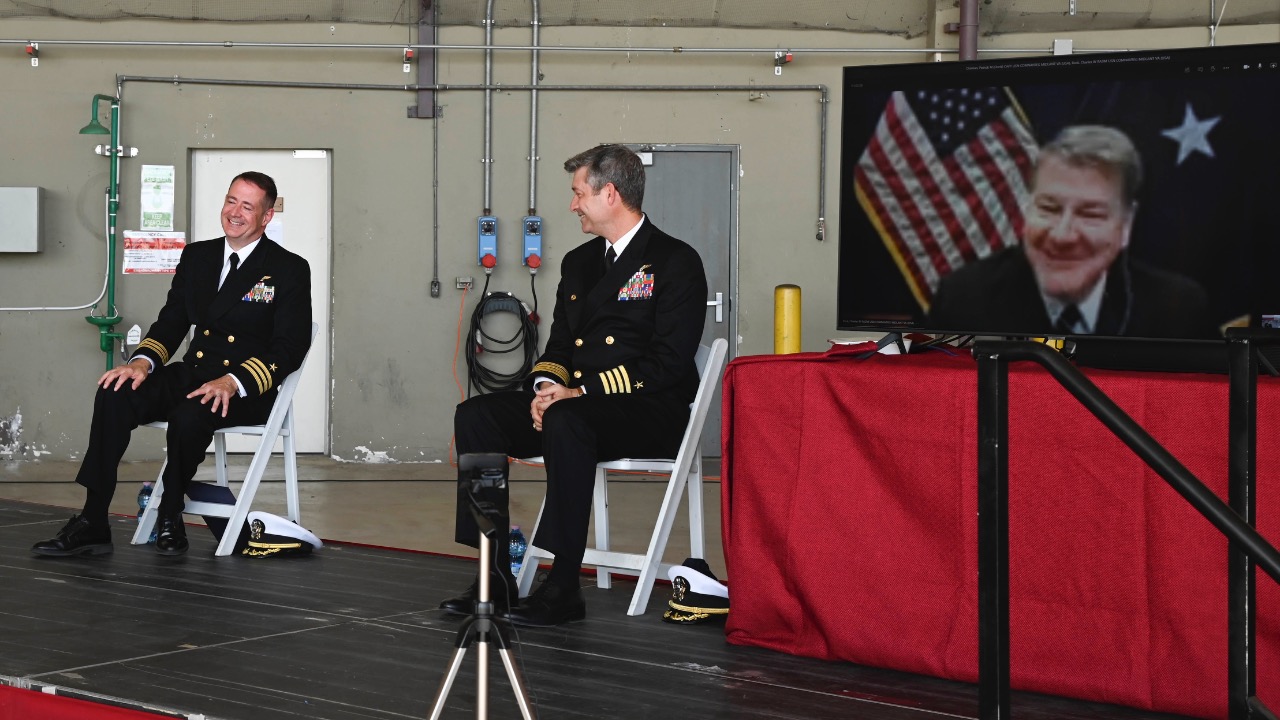
You’re looking at a base that functions as more than an airfield. Sigonella supports maritime patrol aircraft, logistics flights, and rotational deployments that keep the fleet supplied and informed. Its location in Sicily allows coverage across key sea lanes linking Europe, Africa, and the Middle East.
When tensions rise in places like the Levant or North Africa, having aircraft and support crews already forward-positioned cuts response times dramatically. Instead of launching everything from the continental United States, the Navy can lean on assets already in theater. That changes the tempo of operations and sends a clear signal that American presence in the Mediterranean is not symbolic—it’s sustained and ready.
Expanding Maritime Patrol and Surveillance
One of the most noticeable shifts involves increased use of maritime patrol aircraft such as the Boeing P-8 Poseidon. These aircraft track submarines, monitor surface traffic, and gather intelligence across broad stretches of water. From Sigonella, they can cover chokepoints and contested waters efficiently.
You don’t see these planes making headlines often, but their role is central. With renewed submarine activity in the region and ongoing instability along southern Mediterranean coasts, persistent surveillance matters. Strengthening the base allows more frequent patrol cycles, better maintenance support, and tighter coordination with allied forces operating under NATO command structures.
Supporting the Sixth Fleet’s Reach
Everything in the Mediterranean ties back to United States Sixth Fleet. Headquartered in Italy, the Sixth Fleet oversees naval operations across Europe and Africa. Reinforcing Sigonella expands the fleet’s logistical backbone.
When destroyers or amphibious ships move through the region, they depend on supply chains, intelligence feeds, and air cover that bases like Sigonella help provide. Increased infrastructure and staffing at the base strengthen that network. You may not see new ships permanently homeported there, but the support capacity behind the fleet grows more capable, and that matters when operations stretch across multiple hotspots at once.
NATO Integration and Joint Training
You can’t separate U.S. activity in the Mediterranean from NATO. Sigonella plays a major role in joint exercises involving Italy, Spain, Greece, and other allies. Expanded presence there supports more frequent multinational training events focused on anti-submarine warfare, air defense, and maritime security.
Those exercises aren’t ceremonial. They refine procedures and ensure communication systems work across national lines. As security concerns rise in the Black Sea region and Eastern Mediterranean, coordination becomes critical. Strengthening the base helps maintain interoperability, meaning when a crisis develops, allied ships and aircraft can operate together without hesitation.
Strategic Positioning Near North Africa
If you look south from Sicily, you’re staring at North Africa. Instability in Libya, migration flows, and concerns over extremist networks all influence naval planning. A stronger presence at Sigonella positions the Navy closer to those pressure points.
That proximity supports surveillance flights, humanitarian response missions, and contingency operations if American citizens or interests need protection. Instead of reacting from thousands of miles away, forces can launch quickly. In an era when flashpoints emerge with little warning, geography matters—and Sigonella puts the Navy in the right neighborhood.
Logistics Hub for Rapid Deployment
You might think of aircraft and ships first, but logistics keeps everything running. Sigonella serves as a transit and refueling hub for personnel and cargo moving between Europe, Africa, and the Middle East. Strengthening that pipeline increases flexibility for commanders planning deployments.
When equipment and personnel can flow efficiently through a central node, operations across multiple theaters become easier to sustain. The base supports everything from spare parts to medical evacuation staging. That behind-the-scenes role rarely makes headlines, yet it’s foundational to maintaining a credible naval posture in contested waters.
Deterrence Through Visible Commitment
At the end of the day, reinforcing a Mediterranean base sends a message. You don’t have to fire a shot to demonstrate resolve. By investing in infrastructure, increasing patrol rotations, and tightening coordination with allies, the Navy signals long-term commitment.
Adversaries watch those moves carefully. A reinforced presence at Sigonella suggests that the United States intends to remain engaged in the region, not rotate in and out depending on headlines. For you as an observer, that means Mediterranean strategy is shifting toward sustained posture rather than temporary surges. And that shift has implications far beyond the Sicilian coastline.

Asher was raised in the woods and on the water, and it shows. He’s logged more hours behind a rifle and under a heavy pack than most men twice his age.