Invasive species spread accelerates in the Florida Everglades
The Florida Everglades has always been a place of remarkable biodiversity—sawgrass marshes, mangroves, wading birds, panthers and alligators all live in a delicate balance shaped by water flow and climate. Over the past few decades, that balance has been radically disrupted. Invasive species—plants and animals introduced by humans intentionally or otherwise—are outcompeting native life and reshaping the landscape at a frightening rate. Because the Everglades’ warm climate and varied habitats suit non‑native species so well, they spread quickly with few natural checks and can overwhelm native communities.
Controlling these species is a constant challenge, and eradication often proves impossible once populations establish. Instead, wildlife managers focus on slowing spread, protecting endangered natives, and reducing ecological damage. The story of invasives in the Everglades is both about biology and human influence. Here are some of the key players in this accelerating crisis—and what their presence means for the future of this unique ecosystem.
Burmese Python’s Expanded Reign
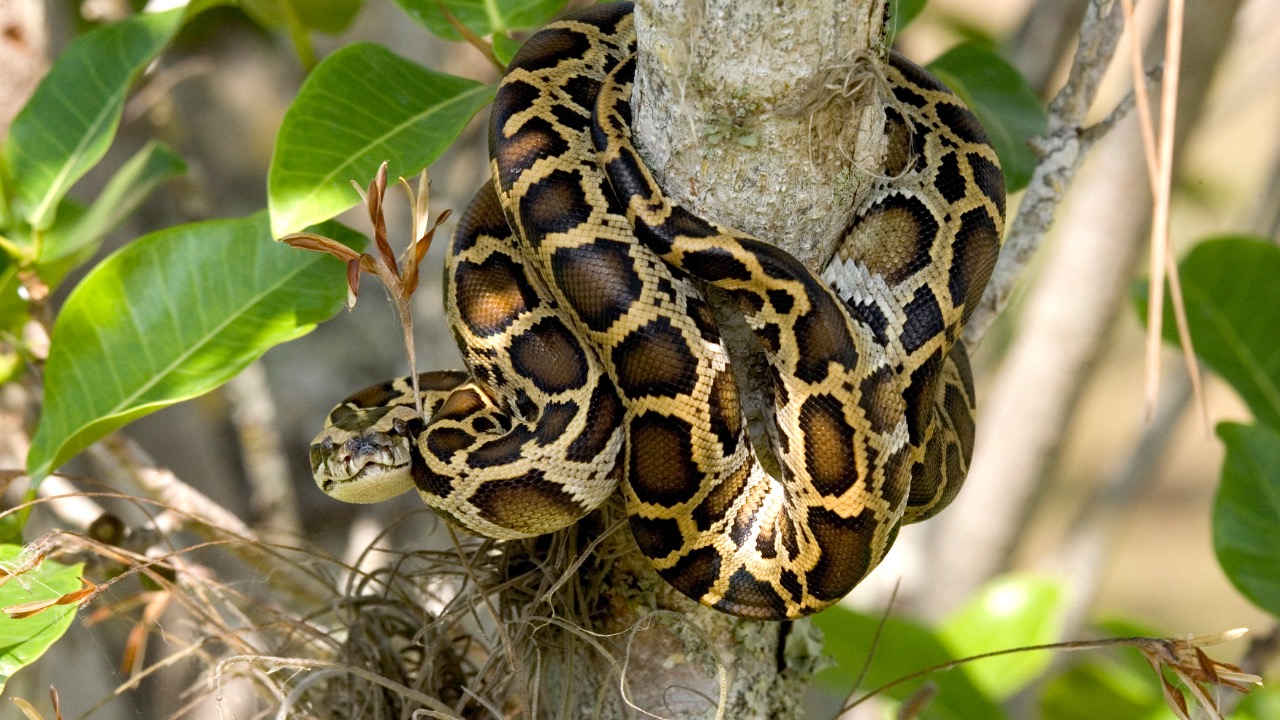
The Burmese python has become the poster child for invasive species in the Everglades. Imported in large numbers through the pet trade in the 1990s, a few released or escaped snakes found fertile ground in southern Florida’s wetlands. With virtually no natural predators, they thrive, reproduce quickly and occupy a vast range of the Glades.
Their impact is profound. These constrictors eat a huge variety of native animals—everything from marsh rabbits and birds to deer and even alligators. Their presence has been linked to dramatic declines in small mammal populations, throwing food webs out of whack. Management programs remove thousands each year, but experts agree eradication is unlikely due to their cryptic nature and sheer numbers.
Argentine Black and White Tegu
Lizards might not come to mind when you think of dangerous invasive species, but the Argentine black and white tegu has carved out a foothold in Florida that’s difficult to ignore. These large omnivores weren’t native to the region; they escaped or were released from the pet trade.
Tegus eat eggs of ground‑nesting birds, alligators and turtles, and they compete with native carnivores for food. Their rapid spread across habitats—from marshes to upland hammocks—underscores how adaptable they are. Unlike pythons, tegus are active during the day, making them easier to spot yet still hard to control. Removing them requires significant effort and community involvement.
Old World Climbing Fern’s Forest Takeover
It isn’t just animals causing trouble—plants are rewriting the Everglades’ blueprint, too. Old World climbing fern grows over native vegetation, smothering plant communities by forming dense mats that block light and choke out other species.
This fern doesn’t just reduce plant diversity—it alters whole habitats. By covering trees and shrubs, it changes the structure of forests and marshes that native birds and mammals rely on. Its presence also creates “fuel ladders” that help carry fire into the canopy, turning natural fire events into destructive blazes. Controlling this plant is labor‑intensive and requires constant attention.
Brazilian Pepper’s Unrelenting Spread
Brazilian pepper was introduced as a landscape ornamental many years ago, but it quickly escaped cultivation and spread into native communities across South Florida. Birds and other animals disperse its seeds, allowing dense stands to form far from original planting sites.
These thickets displace native plants, reducing food and shelter for wildlife. Their dense growth alters water flow and soil chemistry—key elements in a system as hydrologically sensitive as the Everglades. This species epitomizes how human introductions, even with good intentions, can cascade into large‑scale ecological disruption.
Invasive Fish: From Tilapia to Swamp Eel
Aquatic invasions don’t get the same spotlight as big reptiles, but they’re reshaping Everglades waterways. Blue tilapia, introduced through aquaculture, compete with native fish for food and habitat, and they even interfere with nesting patterns by smothering eggs.
Even more recently, swamp eels—likely released from live food markets—have been identified as emerging threats. These snake‑like fish consume crayfish and small fish that native birds and other predators depend on, reshaping food webs in quiet channels and sloughs. Their stealthy behavior and adaptability make them hard to monitor.
Insect Invaders Altering Tree Islands
Tiny invaders can have outsized impacts. Invasive insects like lobate lac scale and ambrosia beetles have spread into the Everglades, infesting native trees and shrubs.
These insects cultivate fungus under bark, which feeds their larvae—but the fungus also kills the host tree. Trees like swamp bay provide habitat and food for native butterflies and other wildlife. Once these trees die, the landscape itself changes, reducing habitat complexity and the resilience of Everglades ecosystems.
Feral Hogs: Widespread Disturbers
Feral hogs aren’t exclusive to the Everglades, but their impact there makes them worth mentioning. Descended from European introductions centuries ago, their populations are now widespread.
These animals uproot soil and vegetation, accelerating erosion and spreading seeds of invasive plants. Their rooting behavior disrupts delicate wetland soils and creates opportunities for other non‑native plants to take hold. They also prey on ground‑nesting birds and other sensitive species, compounding threats already posed by other invaders.
Lionfish in Connected Waters
While lionfish are often thought of in reef contexts, their presence in coastal waters connected to the Everglades affects aquatic ecosystems linked to the park. These spiny predators have few natural enemies in Florida waters and consume native fish and invertebrates.
Their voracious appetite and rapid reproduction pressure reef systems and nearshore communities that serve as nurseries for species moving between marine and estuarine habitats. This ripple effect reaches into Everglades water systems, altering food webs and reducing biodiversity.

Asher was raised in the woods and on the water, and it shows. He’s logged more hours behind a rifle and under a heavy pack than most men twice his age.