Wild animals people underestimate until it’s too late
Wild animals that look slow, sleepy or cartoonishly cute often deliver the nastiest surprises. Size, speed and aggression do not always match the image people carry from children’s books or social media clips, and that gap can turn a casual encounter into an emergency in seconds. This piece looks at a handful of species people routinely misjudge, and how a clearer grasp of their real power can keep both humans and wildlife safer.
From moose that tower over cars to hippos that outrun people on land, these animals are not villains, but they are not plush toys either. Each one has evolved tools that work perfectly in its own environment, whether that means bone-crushing jaws, tank-like skin or claws that can open a tree trunk. When we underestimate those tools, we are usually the ones who pay the price.
Moose: the “gentle giants” that are anything but
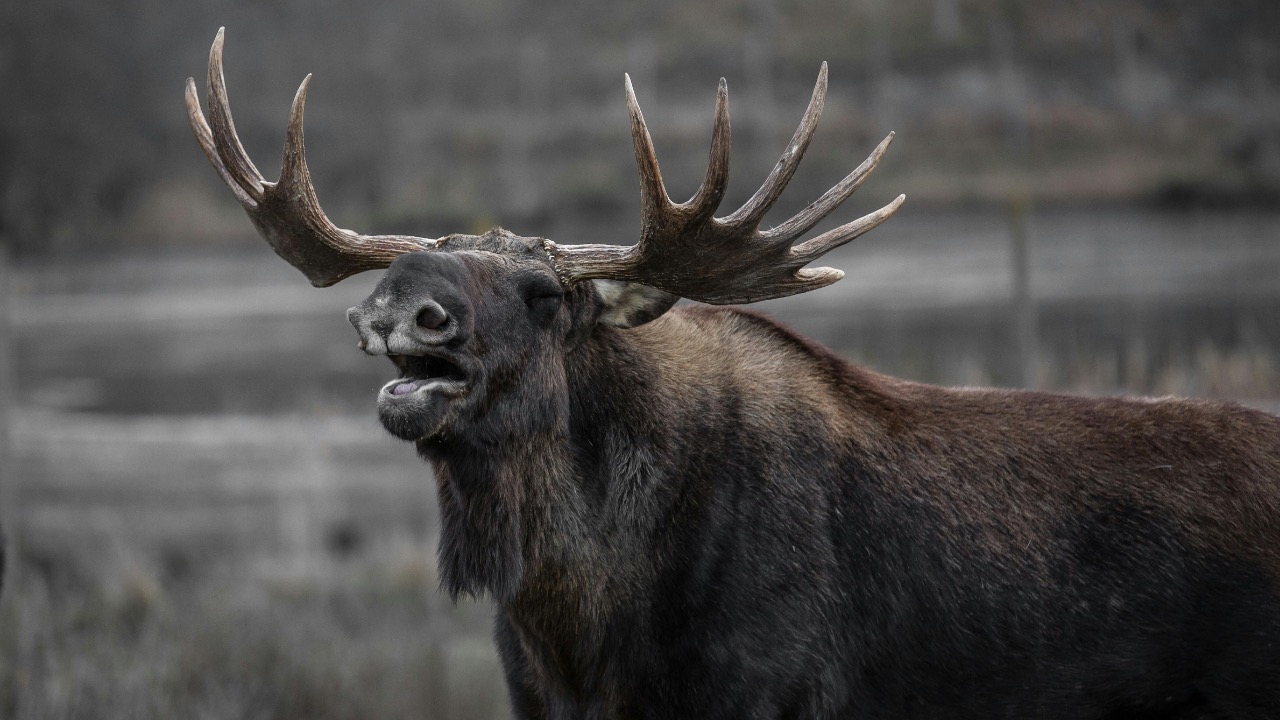
Moose are often treated as background scenery, something you photograph from the roadside or joke about on a ski trip. In reality, people routinely misjudge their scale until they stand next to one and realize just how huge a full-grown animal is. One wildlife fan admitted that they did not grasp the true size of a Moose until seeing it in person, describing how beautiful they are and also calling them clumsy, exactly the sort of harmless image that lulls visitors into walking too close.
That mismatch between appearance and reality is why so many people treat moose like overgrown deer instead of the heavy, short-tempered animals they are. Safety campaigns have had to spell it out bluntly: They may look like gentle giants, but approaching moose is dangerous for both people and pets, especially when the animals feel boxed in or are guarding calves. One analysis of predator and prey in northern forests adds that, despite looking slow and awkward, moose are massive and aggressive, and that they are responsible for more human injuries in some regions than large carnivores that get far more headlines. Combined with their habit of grazing alone in marshes and along roadsides, that temperament means a quiet hike or night drive can turn risky far faster than many tourists expect.
Hippos: the river animals that kill more than lions
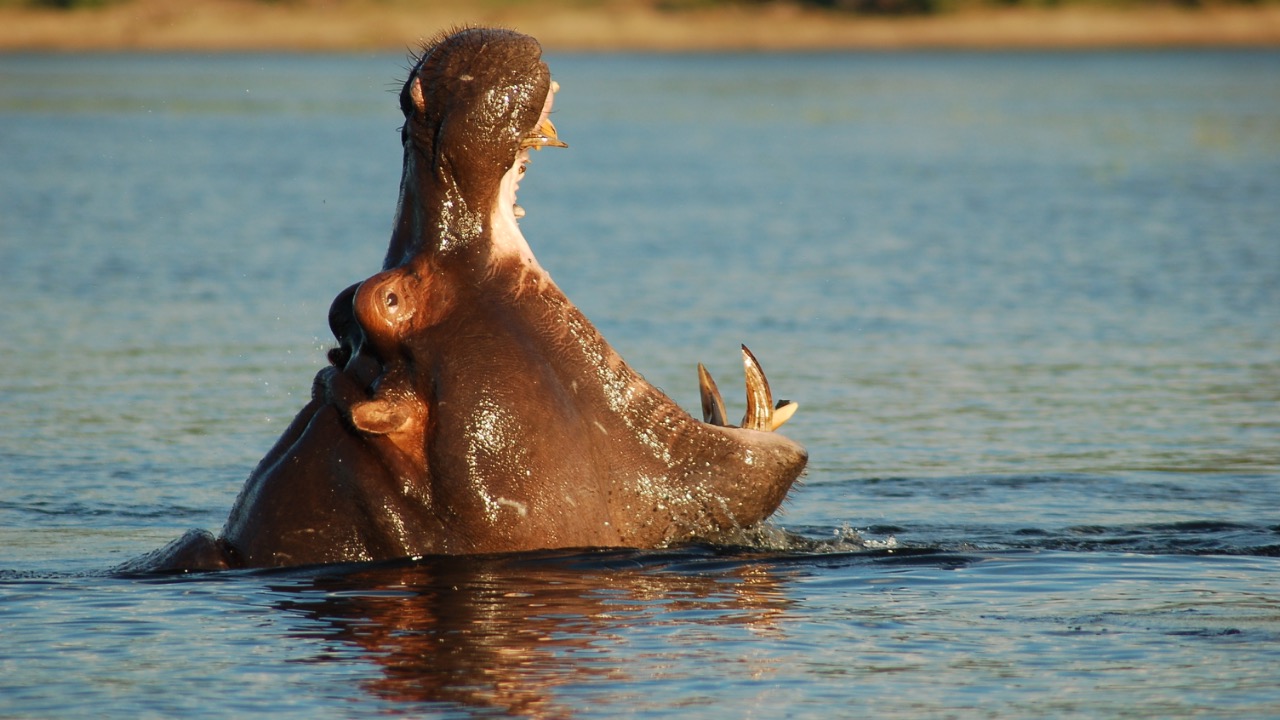
Hippos tend to be marketed as comic relief, round bodies bobbing in the water or cartoon babies sliding into mud. On African rivers, the reality is very different. A detailed wildlife explainer describes the Hippopotamus as the world’s deadliest large land mammal, killing around 500 people every year in Africa, with Their height reaching about 1.6 meters at the shoulder and a body that is more muscle than fat. Guides who work around pods talk about them as territorial tanks that will charge boats, canoes and even vehicles that stray too close to a nursery group.
Part of the danger comes from how well hippos are built for their niche. One lodge guide in southern Africa points out that Hippos look like they have been overindulging, but that bulk is clever design for life in water, with barrel-shaped bodies that give buoyancy, thick layers of fat that store energy, and dense muscle that makes them powerhouses when they surge forward. Field reports have recorded Normally herbivorous hippos scavenging meat and even engaging in cannibalism, a reminder that they are not gentle vegetarians. Photographers who have watched three hippos in a Botswana lake from close range describe being deathly afraid of them, even when the animals had no interest in humans as long as distance was maintained. When the calm surface of a river hides that kind of speed and force, assuming a hippo will simply keep snoozing can be a fatal mistake.
Cassowaries: “dinosaur birds” with knife-like claws
Few animals look more like they walked out of a dinosaur exhibit than the cassowary, yet even here people often underestimate just how much damage a kick can do. A wildlife educator in Australia describes these birds as Notorious as the most dangerous bird, prehistoric species that are usually shy and elusive and tend to avoid people, but that can become explosive if cornered. They highlight the Southern Cassowary, which can sometimes weigh over 73 kilograms and stand nearly six feet tall, with a bony shield on its forehead and a long middle claw that functions like a dagger when it lashes out.
Naturalists who profile cassowaries from New Guinea and northeastern Australia describe Their appearance as striking, with glossy black feathers, a prominent casque and a neck washed in blue, purple and red, which only adds to the sense that this is a museum fossil that has come to life. One account calls them keystone seed dispersers that mostly eat fruit but will also take other foods when they can, so they are vital to rainforest health even as they are listed as endangered in some Australian regions. Another educational video points out that, Despite their tall figures and razor sharp claws, cassowaries may not be as deadly as internet legend suggests, with only one cassowary-related death recorded since 1926, yet that low number owes a lot to the fact that most people never get close. Conservation groups in Tropical North Queensland stress that They, meaning the Southern Cassowary, are large flightless birds that need drivers to slow down, visitors to stop feeding them and everyone to stay cass-o-wary, because one frightened kick can still be lethal.
Badgers and honey badgers: small bodies, big fight
In children’s stories, badgers are often cast as wise, pipe-smoking elders, which makes their real behavior a shock. A widely shared discussion about British wildlife argues that badgers are one of the main animals people misjudge, saying They are depicted in books as gentle, but in reality they are machines that can tear up lawns, raid bins and stand their ground even against dogs in the middle of parks and nature reserves. A local official in the United States adds that While they may look small, badgers are strong, fast and can be aggressive if they feel threatened, a warning that came from the Palmyra Director of Parks and Recreation Doug Mey after sightings near public spaces.
On the conservation side, one French campaigner describes Badgers as intelligent, social beings that have an essential role in ecosystems, arguing that it is implausible to massacre them and calling out the cruelty of traditional digging practices. Their tough reputation reaches an extreme in their African cousin, the honey badger. Safari guides describe how, even if a larger predator like a lion manages to grab hold of a honey badger, the loose nature of its skin lets the animal twist around and bite back, which makes it exceptionally difficult to subdue. A field note on Mellivora capensis lists Here are five remarkable features that make it stand out, starting with Incredible Toughness and Skin The honey badger and running through its willingness to fight hyaenas, lions and leopards, its all-encompassing diet and its habit of going right back to eating even when attacked. Fans on social media joke that Honey Badgers are fearless and that Most animals would flee within seconds, but Its biology, from thick skin to powerful jaws, is what really keeps it alive.
Koalas: sleepy, stressed and more fragile than they look
Koalas might be the most misread animal on this list, because their sleepy expressions and slow movements are so easy to project human laziness onto. One sleep-focused explainer describes Koalas as thickset arboreal marsupials with dense grey fur, Found only in Australia where they live in eucalyptus trees and spend up to 90 percent of their time sleeping. A playful social media post from Zara Larsson, which drew 146 replies, jokes that she would probably be a koala because they spend about 22 out of 24 hours asleep and spend the other two high from the eucalyptus they eat, a lighthearted line that actually reflects how many people think of them.
Behind that cuddly image, the biology is harsh. Koalas survive on a low-energy, often toxic diet of eucalyptus leaves, which forces them to conserve energy by resting for long stretches and limits how fast they can move when threatened. A children’s news explainer from Australia notes that Koalas are native to Australia, living in trees and munching on eucalyptus, but also that they are having a hard time in the wild, which is why the government has moved to create the Great Koala National Park. Health problems, habitat loss and stress from human contact all hit an animal that already lives right at the edge of what its food supply can support. When tourists treat a dozing koala as a prop for selfies, they add to that stress on a body that is not built for constant disturbance.
Elephant seals and other “slow” marine mammals
Large seals and sea cows often look like sleepy rocks or inflatable toys, which encourages people and off-leash dogs to wander right up to them. A coastal warning from western Canada describes an incident where dogs reportedly harassed an elephant seal on a beach, prompting officials to remind visitors that Even though the mammals look slow and harmless they are capable of moving very quickly and can be dangerous if they feel threatened. That sudden burst of speed, combined with teeth that evolved to grab slippery prey, can turn a playful chase into a serious bite in a heartbeat.
Other marine mammals face a similar problem. A travel feature on unusual wildlife points out that Manatees, sometimes called sea cows, are often photographed as gentle grazers, drifting through clear water with algae on their backs, and that tourists are drawn to Manatees partly because of that soft image. Yet these animals can be injured by boat strikes and stressed by crowds that try to touch them, which is why many sanctuaries now restrict access and remind visitors that they are powerful, wild animals, not pool toys. When people ignore those boundaries, they do not just risk their own safety, they also put already vulnerable populations under more pressure.
Predators we treat like pets: reptiles, orcas and leopard seals
Some of the most underestimated animals are ones we meet through entertainment. A behind-the-scenes clip from a stunt-heavy reality show captures a reptile handler explaining that I do not do not lose the fact that they are still wild animals, you know, ambush predators, and that some of these guys are apex predators, even if they are boas or a big iguana used for a challenge. The casual setting makes it easy to forget that a constrictor or large lizard is built to strike quickly and hold on, not to pose patiently for a selfie.
Online debates about overrated and underrated wildlife show the same blind spots. In one Comments Section, a user named Vegetable argues that Orcas are overrate while cheetahs are underrated, a throwaway line that reflects how people often judge animals by charisma rather than by how dangerous they are to be around. In polar seas, a myth-busting explainer on Arctic and Antarctic wildlife notes that In the ocean, penguins must contend with leopard seals, formidable hunters that specialize in warm-blooded prey, yet many tourists still treat penguins as if they live in a harmless cartoon. When we project pet-like behavior onto predators that evolved to kill, we set ourselves up for shocks that the animals themselves are simply acting out as normal life.
When “weird” looks hide serious power
Many of the animals people dismiss as oddities are, in fact, finely tuned survivors. A global wildlife feature lists 26 of the world’s weirdest animals, including the Manatee and the Tarsier, noting that Manatees are nicknamed sea cows and that Tarsiers have massive eyes that make them look like plush toys. The same piece treats these species as curiosities that travelers seek out for photos, yet those big eyes help Tarsiers hunt at night and those bulky bodies help Manatees live in murky, debris-filled water, which means both are better equipped for their habitats than their comic appearance suggests.

Leo’s been tracking game and tuning gear since he could stand upright. He’s sharp, driven, and knows how to keep things running when conditions turn.