How abandoned industrial sites are quietly becoming wildlife habitats
Across former factories, refineries and quarries, nature is quietly reclaiming ground that heavy industry once occupied. Where smokestacks and storage tanks dominated, scrub, wetlands and even rare wildflowers are emerging in the gaps left by human retreat. Ecologists increasingly see these overlooked plots as some of the most surprising new wildlife refuges on the map.
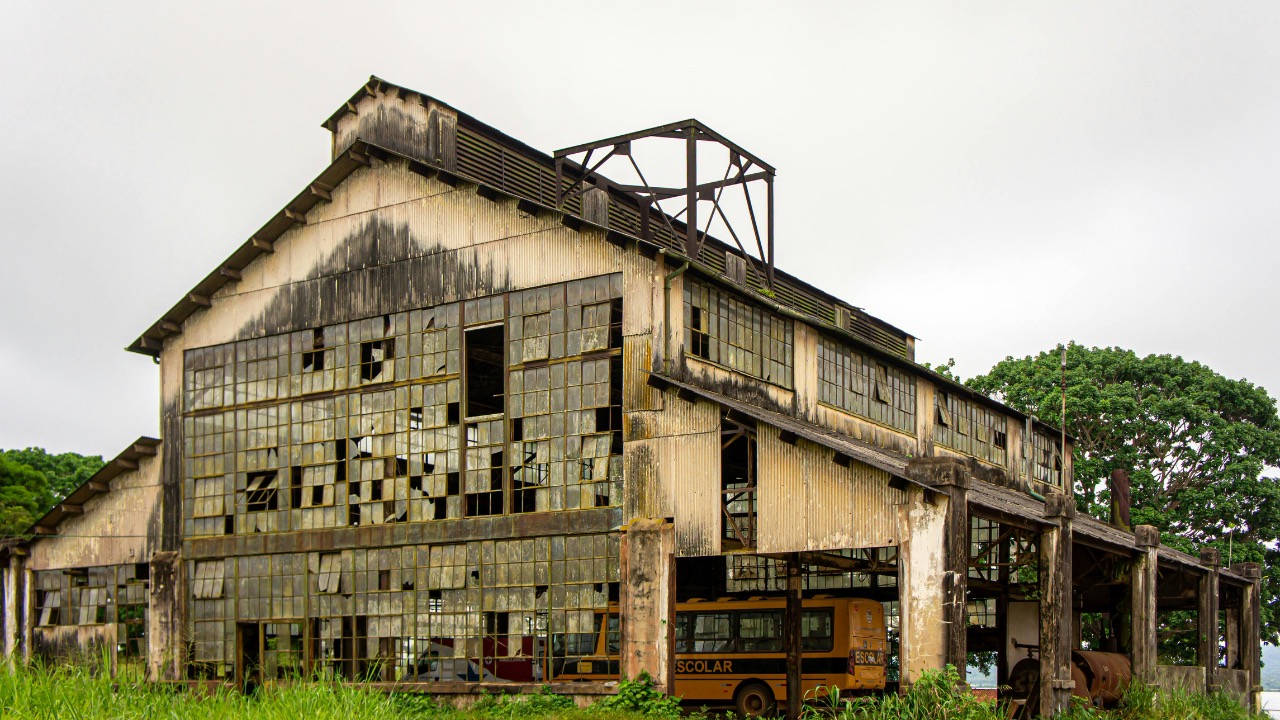
From oil depots fringed with reedbeds to derelict warehouses full of bats and owls, abandoned industrial sites are becoming laboratories for a different kind of conservation. Instead of starting from a blank slate, wildlife is using rusting structures, concrete pads and contaminated soils to build improvised habitats that conventional planning never envisaged.
Why brownfield ruins can rival nature reserves
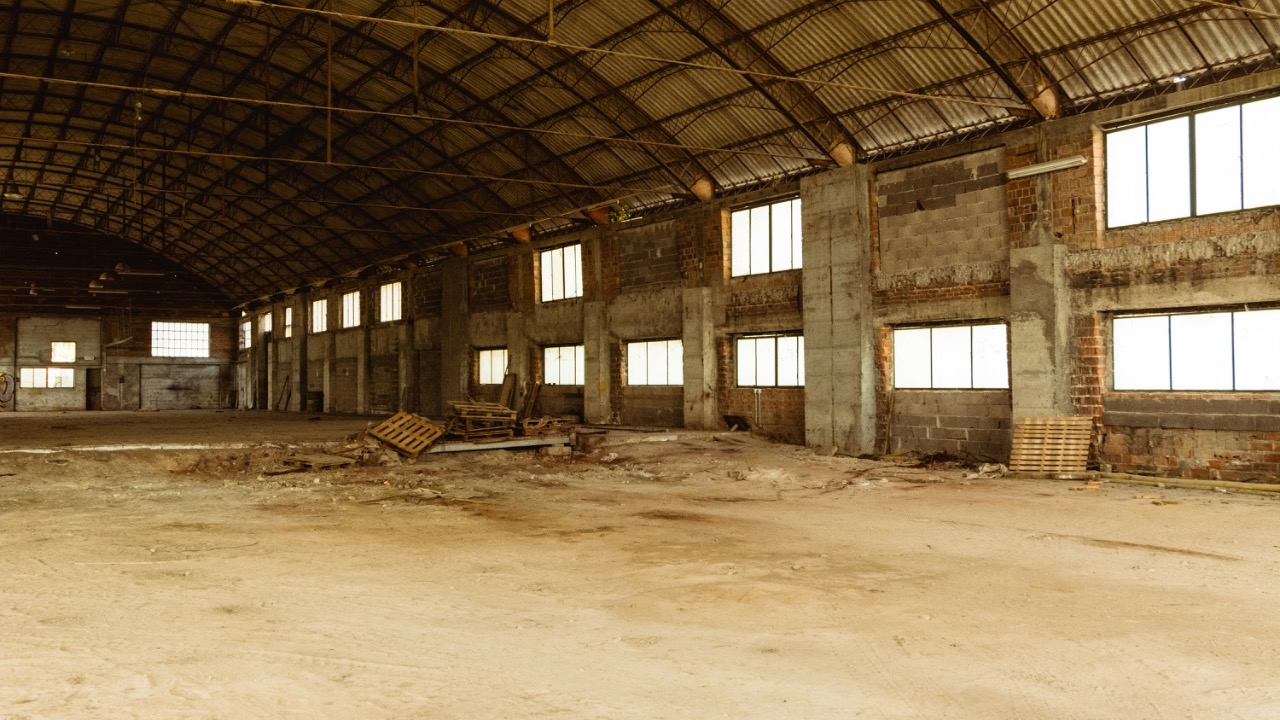
Conservationists once viewed post-industrial and brownfield land as ecological write-offs, but research now shows that these sites can support distinctive communities of plants and animals. Studies of post-industrial habitats describe mosaics of bare ground, rubble, shallow pools and early successional vegetation that are rare in intensively farmed or manicured landscapes. That patchwork creates sunny, sheltered niches for invertebrates, open soil for pioneering wildflowers and rough cover for small mammals and birds.
Because many former works and quarries sit inside or beside cities, they also plug an important gap in urban green networks. Research on Urban nooks and highlights how even tiny structural differences in walls, culverts and vacant lots can create microhabitats for nesting, foraging and shelter. Brownfield plots add a larger, more varied version of those pockets, linking parks and gardens into something closer to a continuous corridor for wildlife movement.
From oil refineries to wildlife corridors
Some of the starkest transformations are happening on the footprints of heavy industry. Many former industrial plants, like mines and refineries, leave large areas of degraded terrain once operations cease, as described in research on Many former industrial. Where clean-up is partial or slow, vegetation often creeps in around abandoned infrastructure, turning access roads into grassy strips and tank farms into patchy wetlands. In several cases highlighted by environmental reporting, redundant oil refineries have become unlikely sanctuaries where reedbeds, scrub and open water now host breeding birds and amphibians.
These sites are beginning to be treated not just as liabilities but as strategic green infrastructure. One project profile describes how former refinery land has been managed to create linked ponds, grassland and scrub that function as a wildlife corridor between nearby protected areas, with species moving through what was once a fenced industrial zone. Similar thinking is shaping restoration guidance that frames old works and depots as part of a wider network of restoring habitats on industrial sites, turning underused land into an asset for biodiversity rather than leaving it as a sterile buffer around derelict buildings.
Contaminated land and the species that move in
One of the more counterintuitive findings is that contaminated or disturbed ground can sometimes be more wildlife friendly than heavily tidied green space. Ecologists working on polluted plots have documented rare invertebrates and specialist plants using soils that would fail conventional garden tests. Guidance on how contaminated land can be wildlife friendly explains that low nutrient levels and physical disturbance can suppress competitive grasses, leaving room for wildflowers and bare ground species. Invertebrates that need warm, open soil, such as solitary bees and beetles, often thrive where vegetation remains patchy.
Not every colonist is welcome. Food warehouses, mills and processing plants that fall quiet still provide shelter, warmth, food, water and safety from predators inside their structures, which are ideal conditions for rodents and insects to proliferate, as outlined in guidance on common pests in food processing. Yet even these less popular species are part of a broader ecological shift, providing prey for owls, foxes and other predators that move into the wider brownfield complex.
Wildlife adapting to industrial architecture
Animals are not simply tolerating old industrial structures, they are actively using them. Long spans, high roofs and quiet corners in derelict barns and warehouses mimic cliffs and caves, creating ideal roosts and nest sites. Reporting on old agricultural buildings notes that Barn owls are not the only birds that use old buildings, and that Barn swallows, vultures, phoebes and American kestrels exploit silos, barns and other abandoned structures for roosting and nesting, as described in coverage of Barn owls and other species. Similar patterns appear in disused factories and engine sheds, where roof spaces and gantries offer safe vantage points.
Bats are particularly associated with these improvised roosts. Conservation material describing how bats are one of the most important and misunderstood animals highlights their reliance on sheltered, undisturbed spaces for breeding and hibernation, which derelict tunnels, culverts and buildings often provide. Even smaller features such as cracks in concrete, cavities in brickwork and unused service ducts echo the “extensive variety of microhabitats” identified in urban wildlife research, giving everything from spiders to small birds a place to hide, hunt or raise young.
From accidental refuges to deliberate conservation
What began as spontaneous colonisation is now feeding into deliberate conservation policy. A growing body of case studies argues that planners should protect brownfield or ex-industrial sites in urban areas that show high ecological value, rather than automatically prioritising them for development. One synthesis of interventions to protect brownfield or ex-industrial sites catalogues efforts to safeguard these unexpected hotspots through planning designations, management agreements and targeted habitat work. The same research network has built a wider platform at Conservation Evidence to share practical lessons from such projects.
Governments are also starting to map and regulate these spaces more carefully. Guidance on land affected by contamination sets out how risks to people and water must be managed, but it also opens the door to controlled, wildlife-friendly afteruses where full remediation is not feasible. Datasets on historic landfill sites give conservation planners a starting map of where such opportunities lie, while funding programmes such as rebuilding biodiversity grants help turn derelict plots into managed reserves and community nature areas.

Leo’s been tracking game and tuning gear since he could stand upright. He’s sharp, driven, and knows how to keep things running when conditions turn.