Houston residents say new access fees affect neighborhood entry and exit
On the west and northwest edges of Houston, new access fees tied to toll roads are changing how residents get in and out of their own neighborhoods. People who bought homes expecting suburban convenience now say every school run, grocery trip, or commute comes with a meter running.
Neighbors around the Grand Parkway describe a daily tradeoff between time and money, arguing that what looks like a regional mobility project on a map feels like a private gate at the end of their street. Their pushback is starting to draw responses from developers and local officials, but proposed fixes are still lagging behind the frustration.
Where toll roads meet front driveways
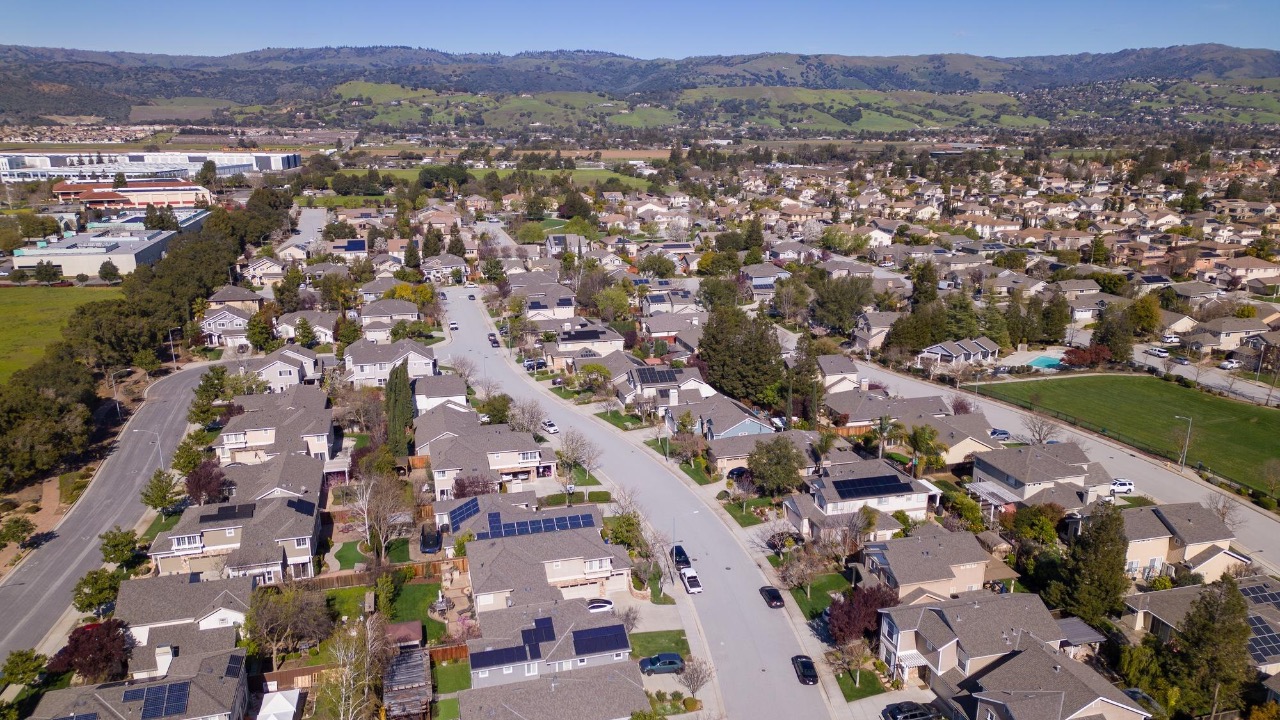
The Grand Parkway was built as a massive outer loop to move traffic around the Houston region, but for some communities it has become the only practical doorway to the wider city. Residents say the ramps that connect their subdivision to the Grand Parkway now function like a toll gate they must pass through every time they leave home. In parts of HARRIS COUNTY, Texas, people describe short trips that used to be free but now require them to get on a tolled segment just to reach basic services.
Homeowners in one Cypress-area neighborhood report that their daily routines are now tied to the design of nearby ramps and frontage roads, which funnel cars from local streets straight onto the tollway. Several of those Homeowners say the pattern adds up to hundreds of dollars a month in tolls, a cost they did not expect when they closed on their houses in HARRIS COUNTY, Texas, and that they only fully grasped once they saw how the Grand Parkway handled neighborhood traffic in practice. That tension shows up in complaints that living near a regional highway project has turned into paying a fee to participate in everyday life.
A Cypress neighborhood at the center of the fight
The sharpest flashpoint so far sits in a Cypress subdivision that feeds directly into the Grand Parkw. Residents there say they are forced to use the tolled lanes for nearly every errand, because the only realistic way in or out of the subdivision drops them onto the highway. That pattern has turned this Cypress pocket into a test case for how much control drivers actually have over their route when a neighborhood is woven tightly into a toll road’s footprint.
People who live in this Cypress subdivision have described long lines of cars queuing at the same limited exits and entrances, with no clear way to bypass the toll gantries without adding significant time or distance. In interviews captured on local television, neighbors say they never imagined that the Grand Parkw would sit between their homes and the rest of HOUSTON in such a direct way, and that they now feel boxed in by a traffic design that gives them little say in how they move through their own community.
Bridgeland’s promise and the toll reality
Much of the current debate runs through Bridgeland, a master-planned community marketed around lakes, trails, and quick access to major roads. For many buyers, the draw was the idea that they could live in a suburban setting while still reaching jobs, schools, and shopping without a long, winding drive. Only after moving in did some residents realize that the most direct link between Bridgeland and the rest of Cypress runs across tolled segments of the Grand Parkway, turning that promised convenience into a recurring bill.
Bridgeland’s profile as a fast-growing development has made it a focal point for discussions about how master-planned communities are sited next to large transportation projects. The community’s location near the Grand Parkway is easy to see on regional maps of Bridgeland, and that proximity has now become a financial factor for families who use the highway several times a day. Residents argue that what looked like a selling point on a brochure now feels like an unavoidable surcharge on their decision to live in a planned neighborhood.
How much residents say they are paying
For families living along the Grand Parkway, the frustration is not just about principle, it is about the math. Some residents in HARRIS COUNTY, Texas say they are paying hundreds of dollars a month in tolls simply to get to work, take children to school, and run normal errands. When every exit and reentry to the neighborhood triggers a toll, those charges stack up quickly, especially for households with multiple drivers making several trips a day.
In one Cypress neighborhood, Homeowners describe watching their toll accounts drain far faster than they expected, with statements that reflect dozens of short, unavoidable trips rather than a few long-distance drives. People who thought the Grand Parkway would be a route they used occasionally for longer commutes now say it has become a constant background cost of living in the subdivision, one that rivals a car payment for some families. That sense of being locked into a recurring fee is what fuels much of the anger in their stories.
What residents say they were told when they bought
Many of the people now speaking out insist they did not get a clear picture of how the toll road would shape their daily lives when they signed their closing papers. Some say sales staff highlighted the convenience of nearby highway access but did not spell out that the most direct way to leave the neighborhood would be a tolled ramp. Others recall being told that they would have options to avoid tolls, only to find that those alternatives are either not built yet or so indirect that they feel unrealistic for school and work schedules.
In interviews about the Cypress subdivision tied to the Grand Parkw, residents describe a gap between the way the community was pitched and the way it functions now. They say they understood that a toll road ran nearby but did not grasp that it would sit between their driveways and the rest of HOUSTON in such a rigid way. A recurring theme in their accounts is a belief that the full cost of living in the neighborhood was not transparent, because the toll requirement for basic trips was not framed as a central part of the purchase decision.
Developers move toward an alternate route
After weeks of complaints, a Developer connected to Bridgeland has said it is planning an alternate route that would give residents a way to avoid mandatory tolls. The idea is to create a non-tolled connection between the community and nearby surface streets so people can reach schools, grocery stores, and workplaces without having to enter the Grand Parkway every time. For families who feel stuck paying to leave home, even a modest new road could change the daily equation.
According to reports on Cypress residents, the Developer’s plan is aimed at giving people in Bridgeland and the surrounding area a realistic option that does not involve a toll gantry at the end of the block. Residents have been told that the alternative route would not come with a special discount or exemption, it would simply be free to use, which is exactly what they have been asking for. The move is seen by many as a sign that local backlash has begun to influence how future phases of the community and its road network will be built.
How neighbors are making their case
Residents have not stayed quiet while waiting for new roads to appear. People living near the Grand Parkway have spoken out at neighborhood meetings, contacted local officials, and shared their experiences on television and social media. In one video, neighbors explain that when they are entering or leaving their neighborhood, they have to get on a toll road each time, a pattern that shapes every part of their routine.
Another widely shared clip frames the issue in stark terms, asking viewers to imagine paying a fee just to go home, get to work, or run errands, and then pointing out that this is the reality for some Texas residents who live next to the Grand Parkway. Those short, pointed descriptions of life in these Cypress-area neighborhoods have helped turn what might have been a local planning dispute into a broader conversation about how toll projects intersect with residential streets. As those accounts spread, neighbors are using personal stories to translate a technical road design into something anyone can understand.
Local officials and planners under pressure
The pushback from residents has put new attention on how transportation agencies, counties, and private developers coordinate when they design access points for large toll roads. In the HARRIS COUNTY, Texas area, questions are now being raised about how much oversight exists when a subdivision’s only practical outlet connects directly to a tolled segment. Planners are being asked whether they considered how many Homeowners would depend on that route for everyday trips, not just long-distance commutes.
In the Cypress subdivision that feeds into the Grand Parkw, the public outcry has already prompted conversations about adjustments, including the alternate route that a Developer has floated for Bridgeland and nearby neighborhoods. Those discussions hint at a broader shift, where officials may have to weigh not just traffic flow and revenue projections but also whether residents will have a toll-free way to reach schools, parks, and local businesses. The pressure now is to treat neighborhood access as a basic service, not an optional add-on for people who can afford extra fees.
What this fight means for future Houston growth
The clash unfolding along the Grand Parkway is about more than one Cypress subdivision or one master-planned community. It raises a larger question about how Houston’s next wave of growth will be built, and whether new neighborhoods will be tied so tightly to toll roads that residents feel they are paying a private tax to participate in daily life. As Bridgeland and similar developments expand, the way their streets connect to major highways will shape not only commutes but also the real cost of living on the metro’s edge.
Places like the area around the Grand Parkway and the growing footprint of Bridgeland sit at the frontier of Houston’s suburban push, where transportation projects and housing plans meet on the same map. If new access fees keep affecting how people enter and exit their own neighborhoods, more residents are likely to demand clearer disclosures, more alternate routes, and a stronger voice in how those maps are drawn. For now, the families in HARRIS COUNTY, Texas who say they pay to leave their driveways have turned a dry topic, toll road design, into a vivid example of how infrastructure choices show up on a household budget.

Leo’s been tracking game and tuning gear since he could stand upright. He’s sharp, driven, and knows how to keep things running when conditions turn.