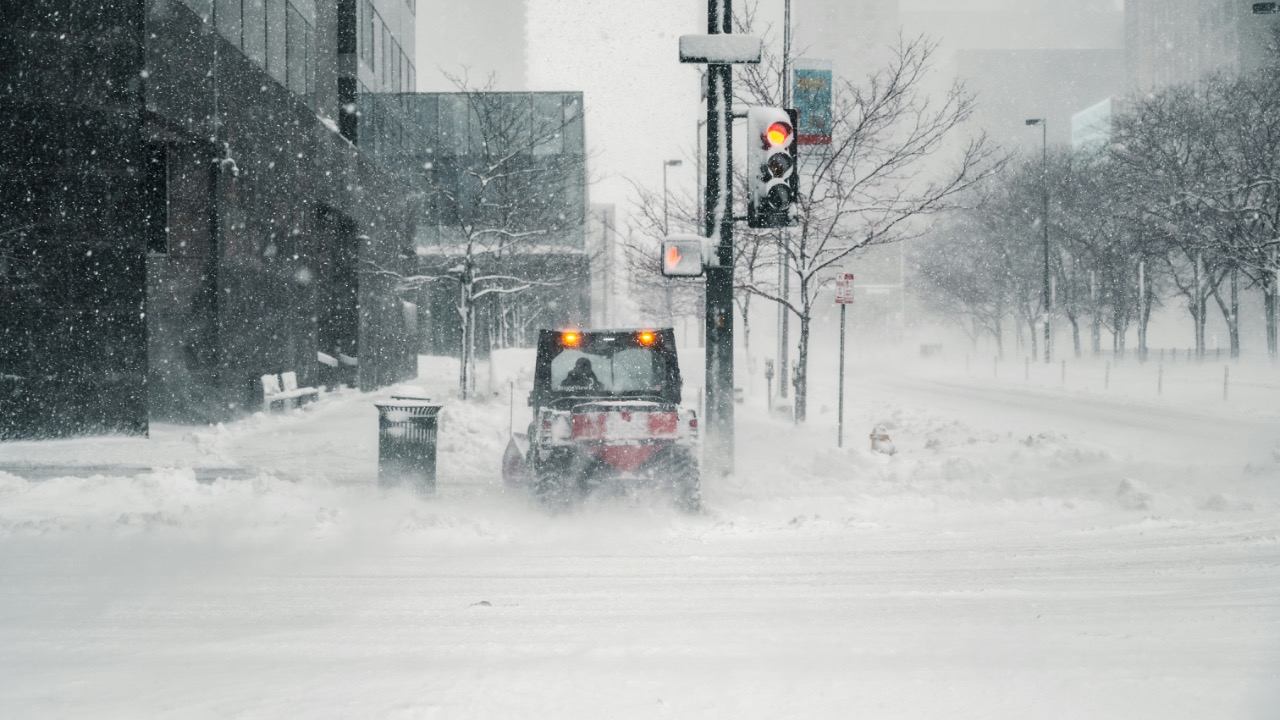
Meteorologist warns to prepare as a series of winter storms lines up
Winter has a habit of settling into a pattern, and when it does, things stack up fast. When forecasters start talking about multiple systems lining up instead of a single hit-and-run storm, that’s when trouble tends to linger. You’re not dealing with one cleanup or one cold snap. You’re dealing with repeated snow, ice, wind, and temperature swings that test roads, power grids, and personal routines. This kind of setup wears people down because it removes recovery time. The advice from seasoned meteorologists is clear: preparation matters more when storms arrive in waves. Getting ahead of it now beats scrambling once the first round hits and the next one is already forming.
Why This Pattern Is Different From a One-Off Storm
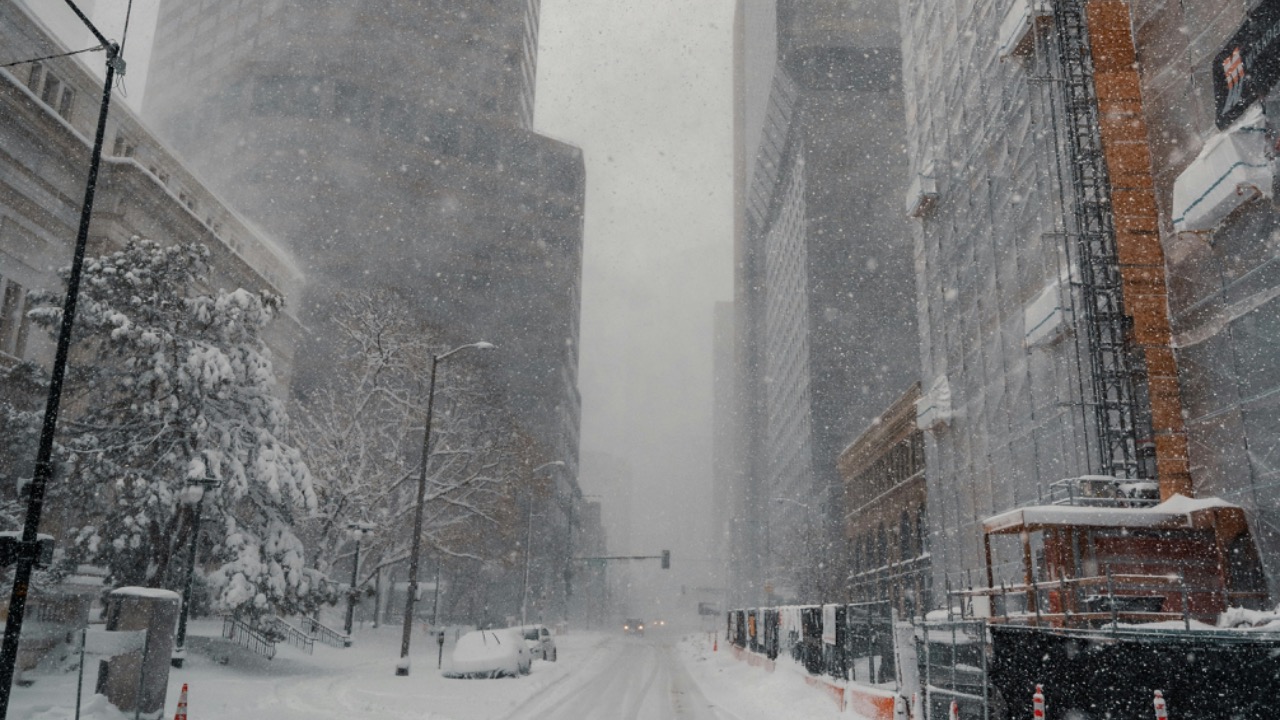
A single winter storm is usually manageable. You shovel, drive carefully, and wait for it to pass. A series of storms changes the math. Snow piles up before it can melt. Ice builds on top of old ice. Roads never fully recover between systems.
When storms arrive back-to-back, small problems stack into big ones. Plows struggle to keep pace, and salt loses effectiveness when temperatures stay low. Even experienced drivers start making mistakes as fatigue sets in. This is the kind of weather pattern that exposes weak points fast, especially in rural areas where help is slower to arrive.
Cold Air That Doesn’t Let Go
What makes these storm trains dangerous isn’t only the snow. It’s the cold air locked in behind each system. Instead of warming up between rounds, temperatures stay pinned down. That turns slush into ice and keeps pipes under stress.
You’ll notice it most at night, when lows drop hard and refreezing undoes any daytime improvement. Vehicles struggle to start, and batteries give up without warning. If you’re used to winter weather, this still demands respect. Cold that hangs around removes your margin for error and punishes anything you forgot to prepare.
Snow Accumulation Adds Up Fast
A few inches here and there doesn’t sound like much, until it happens four or five times in a row. That’s how roofs get stressed and back roads disappear. Snowbanks creep closer to driveways and block sightlines at intersections.
Repeated snowfall also limits where plowed snow can go. Once piles reach a certain height, clearing becomes slower and less effective. You’ll find yourself running out of space long before winter runs out of storms. This is when planning ahead for snow removal and access matters, especially if emergency vehicles need to reach you.
Ice Is the Wild Card
Ice storms don’t need deep snow to cause problems. A thin glaze can shut things down faster than a foot of powder. When storms rotate between snow, sleet, and freezing rain, conditions change by the hour.
Ice adds weight to power lines and trees, leading to outages that last longer in cold weather. Roads become unpredictable, especially at bridges and shaded curves. Even experienced outdoorsmen get caught off guard by how quickly traction disappears. This is the kind of weather that demands slower decisions and more patience than most people expect.
Travel Becomes a Gamble
When storms line up, travel planning turns into a risk calculation. Windows between systems shrink, and forecasts lose precision beyond a couple of days. You might leave under clear skies and drive into worsening conditions with no easy exit.
Air travel suffers too, with delays compounding as crews and equipment struggle to catch up. For anyone commuting long distances, this pattern is exhausting. The safest move is often staying put when you can, even if roads look passable at a glance. Repeated storms punish overconfidence more than inexperience.
Why Preparation Needs to Start Early
The biggest mistake people make is waiting for the first storm warning to act. By then, shelves are picked over and repair services are booked. When meteorologists flag a series of storms, they’re signaling that time is your most valuable resource.
You don’t need panic buying or dramatic moves. You need fuel topped off, backup heat plans checked, and basic supplies ready. Small steps taken early reduce stress later. When winter settles into a rhythm like this, preparation isn’t dramatic. It’s practical, steady, and proven by experience.

Asher was raised in the woods and on the water, and it shows. He’s logged more hours behind a rifle and under a heavy pack than most men twice his age.