The Real Reason Some Hunters Struggle After Switching Calibers
Many hunters expect that moving to a new rifle caliber will extend their range, drop animals faster, and tighten groups overnight. Instead, they often see more misses, shaky confidence, and wounded game that is harder to recover. The real problem usually has less to do with the number stamped on the barrel and more to do with how that new cartridge changes recoil, fit, and decision-making under pressure.
Caliber changes magnify every weakness in a shooter’s fundamentals, from trigger control to follow-through. Once the rifle behaves differently, small flaws that were hidden at the range suddenly matter on a windy ridge or in fading light. Understanding why that happens, and how to manage it, is the difference between blaming the cartridge and actually shooting it well.
When “more power” quietly wrecks fundamentals
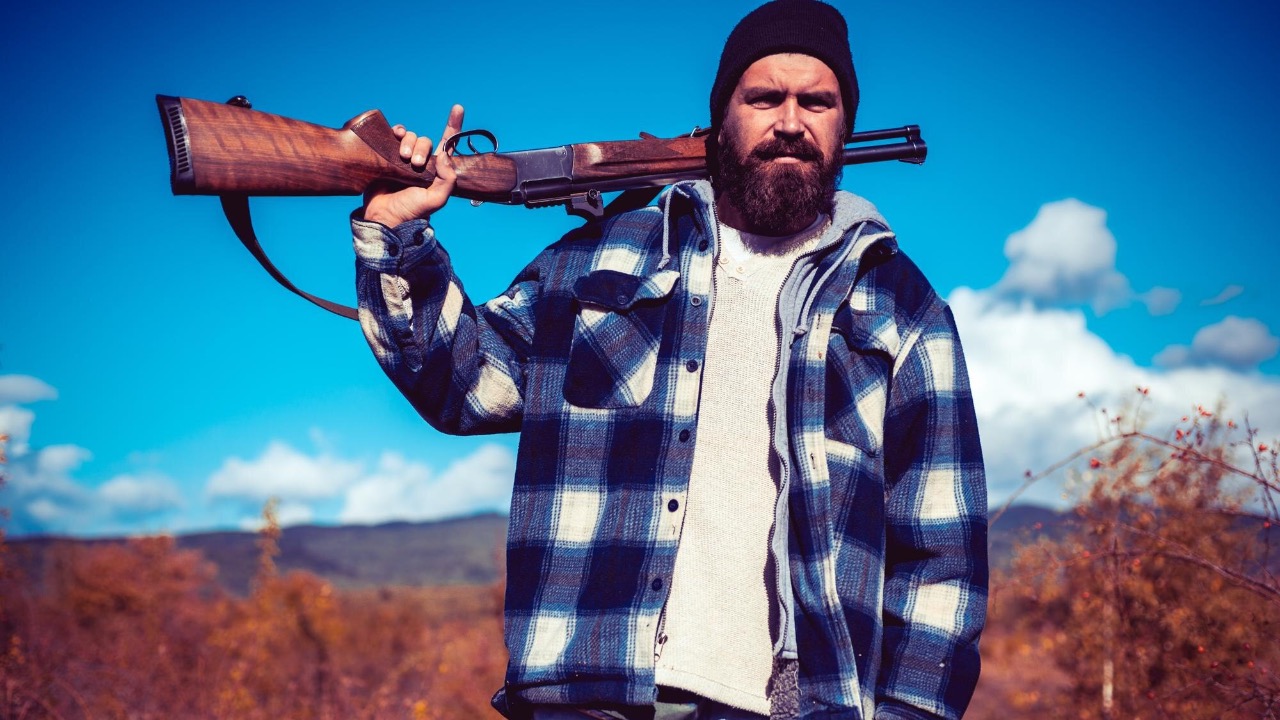
Hunters often switch calibers chasing flatter trajectories or more energy on target, then discover their groups open up as recoil increases. A rifle that kicks harder changes how the body reacts long before the brain notices, which is why flinching and poor follow-through are among the most common reasons for inaccurate shooting. Detailed breakdowns of accurate shooting stress that anticipation of recoil, inconsistent trigger press, and rushed sight pictures matter far more than any small ballistic advantage between cartridges.
This effect becomes obvious when a hunter moves from a mild .243-class rifle to a heavier magnum and suddenly struggles to stay on target. Online discussions about what is wrong with American calibers include comments such as “Well said. Im finding Im a much better shot (range and hunting) since getting away from the magnums. Took a black bear last weekend,” which captures how stepping down in recoil can immediately improve real-world performance. The shooter did not become more skilled overnight; the new setup simply allowed fundamentals to work instead of fighting against recoil-induced flinch.
Caliber debates distract from the real failure points
Caliber arguments are a staple of campfire talk, yet misses in the field usually trace back to the person behind the trigger, not the cartridge. One short video aimed at hunters points out that people love to argue about whether a .300 Win Mag is “better” than a 6.5, but most blown shots come from poor wind calls, rushed positions, or bad trigger work rather than the case capacity of the round. That message is driven home in a clip where Hunters are reminded that a different cartridge will not rescue sloppy technique, even if it carries more energy on paper.
The same theme appears in a longer breakdown of common hunting mistakes, which explains that shooters often obsess over gear while ignoring practice that simulates actual field conditions. In that analysis, the presenter notes that hunters spend hours debating ballistics online, then fail to train from kneeling or sitting positions that mirror a real shot at game. A related video on hunting misses highlights that even advanced calibers cannot compensate for poor range estimation, lack of dope for different distances, or misunderstanding how wind drifts a bullet across a canyon.
Recoil, fit, and eye dominance collide when calibers change
Switching calibers often means switching rifles, and that can quietly change stock geometry, weight, and balance. A new gun that is shorter, lighter, or has a different comb height will recoil into the shoulder and face in a completely different way, which can amplify problems with sight alignment and eye dominance. Guidance on dominant eye mechanics explains that the brain naturally favors one eye for aiming; if recoil causes the shooter to break cheek weld or blink that eye at the shot, the point of impact can shift dramatically.
Range instructors who work daily with new shooters, including those connected to facilities promoted on NHrange and professional profiles such as Discovered via training networks, routinely see this play out. A hunter who was rock-solid behind a .308 in a heavy rifle may struggle when a lighter 7 mm or magnum variant jumps more under recoil, causing the head to lift and the dominant eye to lose the sight picture. Without re-fitting length of pull, adjusting scope height, and re-learning natural point of aim, that hunter will often blame the new caliber instead of the new ergonomics.
Expectation gaps and “disappointing” calibers
Another reason hunters struggle after a caliber change is mismatched expectations about what the new round can actually do. Lists of Rifle Calibers That describe cartridges that look impressive on paper but often fail to perform as expected in the field because of marginal bullet construction, poor shot placement, or unrealistic range goals. When a hunter believes a new chambering will “hit like lightning” regardless of angle or distance, they are more likely to take low-percentage shots and then blame the cartridge when animals run farther than expected.
Similar frustration shows up in surveys of Hunting Calibers Hunters, where the field experience often contradicts marketing hype. Story author James Thompson notes that some rounds disappoint because of limited factory ammunition choices or inconsistent terminal performance, yet even those criticisms usually come back to how bullets are used rather than the diameter alone. The Image Credit to Flickr attached to that piece underscores how much of the conversation is driven by anecdote and photos of recovered game, not by controlled testing that isolates shooter error from cartridge design.
How experienced hunters manage heavier calibers
Hunters who successfully move to larger rounds tend to approach the change as a complete system upgrade rather than a simple swap of cartridges. Detailed discussions on why some hunters choose heavier calibers describe how they prioritize stock fit, recoil mitigation, and realistic distance limits. In one response, G. Richard Kester is identified as an NRA member since 1972 and an Author with 331 answers, and he explains that while a 6 mm rifle may be adequate for deer or antelope, many hunters move up in caliber for larger animals but only after extensive practice from field positions and with the exact load they intend to use.
These experienced shooters also lean on structured caliber guides that match cartridge power to game and terrain. Resources that catalog gun calibers emphasize that there is a wide selection of cartridges for any given bore size, and that hunters should choose combinations that balance recoil, trajectory, and bullet performance instead of chasing extremes. Social posts that begin with “Hunters often get hung up on details that don’t really matter when picking a new” rifle echo this point, noting that once caliber is chosen, the next decision is what cartridge, how fast the bullet should be driven, and how that choice interacts with real-world shot angles.

Leo’s been tracking game and tuning gear since he could stand upright. He’s sharp, driven, and knows how to keep things running when conditions turn.