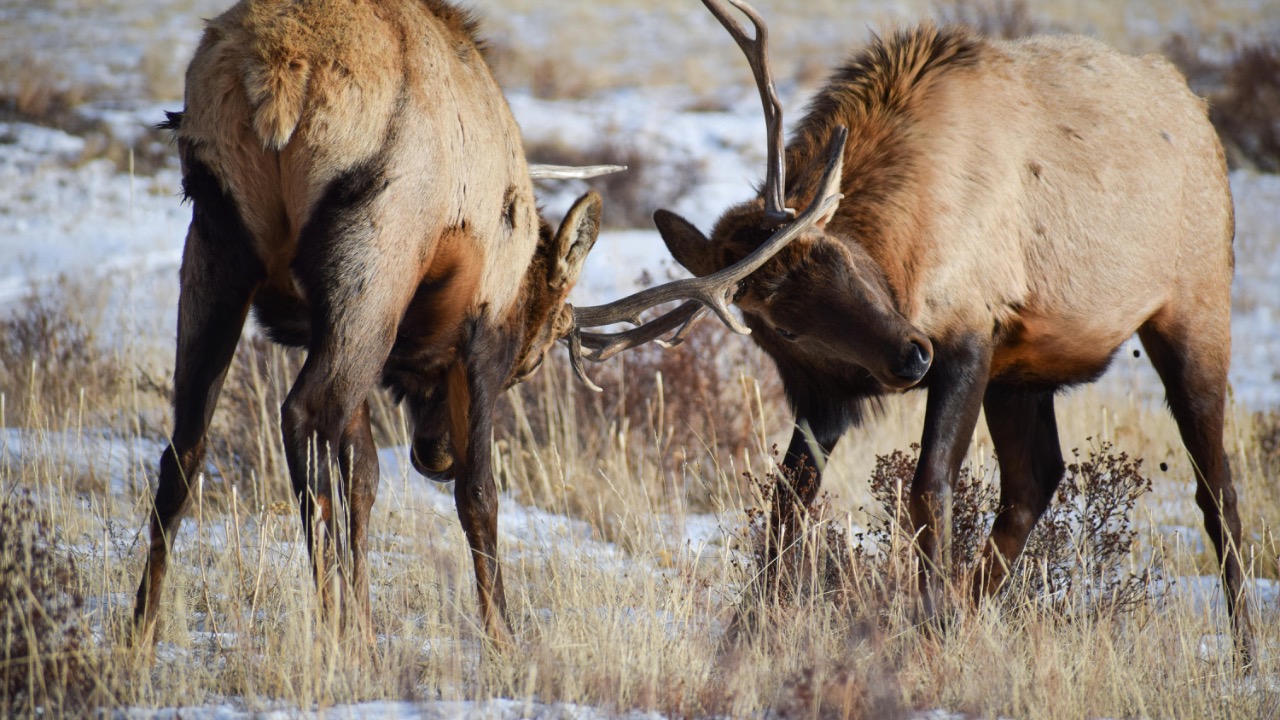
Ohio lawmakers propose bill to restore elk population after 200-year absence
Ohio lawmakers are moving to bring elk back to the state for the first time in roughly two centuries, tying the idea to new trail building and outdoor recreation funding. At the center is House Bill 641, a proposal that would order state wildlife officials to study where elk could live, how they would affect other animals, and what it would cost to manage them. The plan would test whether a species wiped out by settlers can again become part of Ohio’s wild places.
The push comes as neighboring states show how elk can draw hunters, tourists, and new revenue while also stirring debate over land use and habitat. Supporters in Columbus argue that Ohio has the forests, hills, and public lands to support a herd, provided the science and local communities line up behind it.
What the Trails and Tails Act would do
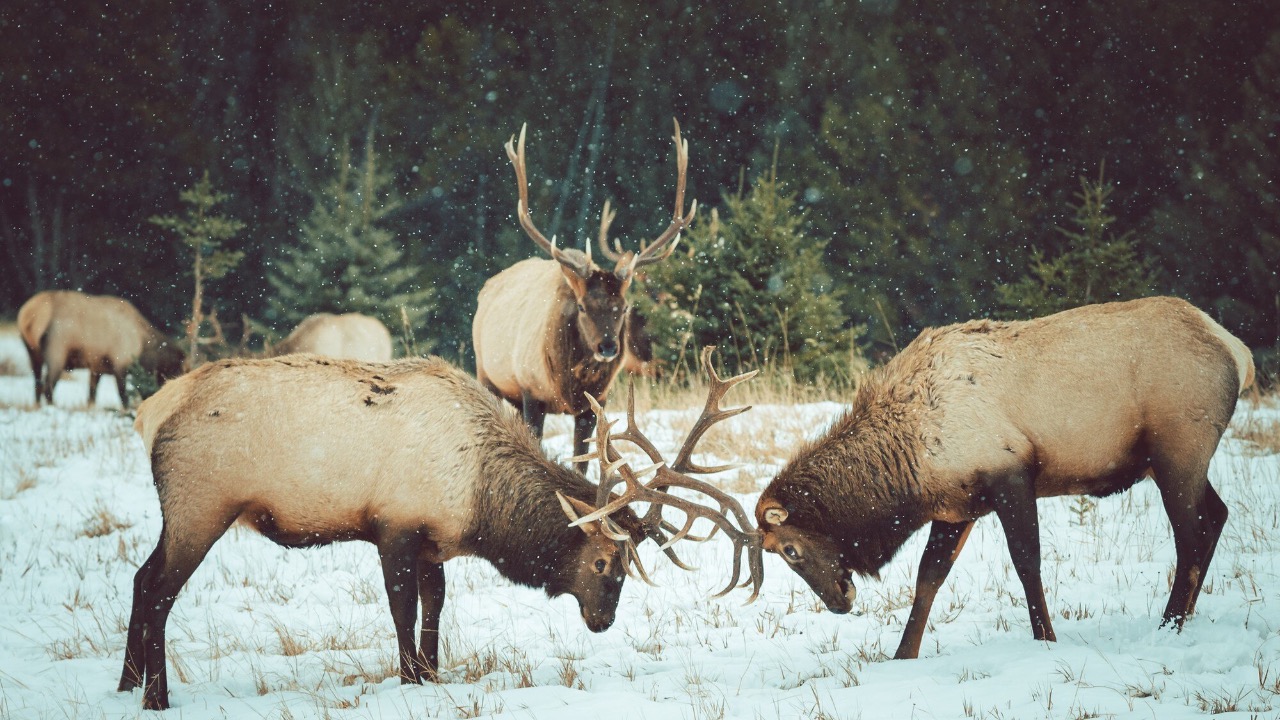
House Bill 641 is written as a broad outdoor recreation package that also opens the door to bringing elk back. The proposal, described as the Trails and Tails Act, would require the Ohio Department of Natural Resources to carry out two major studies on elk reintroduction and on side-by-side trail riding, tying wildlife restoration to expanded access for riders and hikers. Legislative trackers describe the Trails and Tails as a directive that spells out duties for the Ohio Department of Nat and lays out how the work would be organized in Section 5.
A separate summary explains that the bill would require the Department of Natural Resources to look at biological, economic, and social questions before any elk are moved. That includes assessing habitat, effects on existing species, and public attitudes, then reporting back with findings and possible next steps. The Bill Summary notes that money for this work could be reappropriated for fiscal year 2027 so the studies are not cut short if they run beyond a single budget cycle.
The lawmaker behind the elk push
The political force behind the idea is Ohio Rep Justin Pizzulli, a Republican from Scioto, who has made elk part of a broader pitch about outdoor tourism and rural economies. Earlier this year, Rep Justin Pizzulli introduced what he called the Tails and Trails Act to expand trail access and explore bringing elk back to Ohio, presenting it as a way to grow recreation and new revenue. Coverage of the Bill in Ohio notes that he framed the effort as a chance to connect trail systems and wildlife restoration while also setting up future income from hunting licenses.
Rep Pizzulli has already tied his name to elk in other contexts, including a separate proposal that would give the Ohio Departm of Natural Resources a $3 million appropriation to support the work. In one account, State Rep Justin Pizzulli of Scioto County backed a plan that would allow the Ohio Departm to use that $3 million for land acquisition and elk management, with the goal of eventually using elk license sales to total $3 million in return. That funding concept appears in a discussion of State Rep Justin and his early outline of how elk hunting could pay for part of the program.
How the bill moves through Columbus
House Bill 641 is still at the proposal stage, which means the details on elk are about study and planning rather than an immediate release of animals. Legislative tracking for the current Ohio session lists HB 641 in the 136 legislative session and explains that it has been introduced but not yet passed, with language that directs the Department of Natural Resources to complete the two required studies and submit recommendations for legislative action. The bill page on FastDemocracy shows that the Trails and Tails Act is framed as a mandate to gather data before any final decision is made.
To carry out the research, lawmakers would rely on a dedicated pot of money set aside for the Department of Natural Resources. A more detailed breakdown notes that, to support these studies, the bill would provide funding for staff, fieldwork, and public outreach, and that the department must return with a written report that includes findings and recommendations for legislative action. That requirement appears in a section of the bill tracking that spells out how the studies would be paid for and what lawmakers expect to see when the work is finished.
Why elk disappeared from Ohio
To understand why lawmakers are talking about “reintroduction” instead of simple expansion, it helps to look back at how elk vanished from the state. Historical accounts describe how Settlers pushed into Ohio and made a quick end to elk through overhunting and habitat clearing, shrinking the herds until they disappeared roughly 200 years ago. One outdoors columnist, Dave Golowenski, has written that elk once roamed the same hills and river valleys that now hold whitetail, which he calls Ohio’s basic big game, before the animals were driven out. That history is sketched in a piece by Dave Golowenski that contrasts past elk numbers with the modern deer-dominated woods.
The loss of elk was part of a wider pattern in the region, where large mammals like bison and wolves were also removed as farms, towns, and roads spread. In Ohio, that shift left whitetail deer as the main big-game species for hunters, and it shaped how people think about wildlife and forests. Bringing elk back would not simply mean adding another animal to the mix; it would mark a change in how Ohio manages its remaining wild spaces and how it remembers that earlier period when large herds still moved across what is now a dense patchwork of farms and townships.
What neighboring states can teach Ohio
Supporters of HB 641 often point to nearby examples to show that elk can thrive east of the Mississippi if they have room and management. Nearby Kentucky and Pennsylvania now hold herds of ranging elk that were transplanted from the West, and both states limit hunting to a small number of permits that are highly prized. Those programs are described in a report on how Kentucky and Pennsylvania have used elk tags, including some made available to non-residents, to draw hunters and tourism dollars into rural areas.
These neighboring efforts give Ohio a set of case studies on both the upside and the complications. Kentucky’s elk zone, for example, has had to balance coalfield reclamation, private land access, and crop damage complaints while also celebrating elk as a conservation success. Pennsylvania has turned its elk range into a fall viewing destination, with local businesses catering to visitors who come to hear bugling bulls. For Ohio lawmakers, those examples show how a reintroduced herd can become a regional draw, but they also highlight the need for clear rules, strong communication with landowners, and a realistic sense of how fast a herd can grow.
Where elk might live if they return
Any serious talk of elk reintroduction has to start with a map, and some of that groundwork has already been done. A study discussed in the Mid-Ohio Valley identified areas around Coshocton, Tippecanoe, Marietta, Athens North, Athens West, Ironton, and Shawnee as potential elk habitat, based on factors like forest cover, public land, and distance from dense development. Those locations are listed in a column on how Coshocton and Tippecanoe could one day hear elk bugling again, with the writer noting that the sound carries for miles in the right terrain.
Those same hills and reclaimed lands are likely to be central to any study the Department of Natural Resources conducts under HB 641. The agency would have to look at how elk might move between these pockets of habitat, what kind of fencing or road crossings might be needed, and how to avoid conflicts with farms and towns. The mix of state forests, wildlife areas, and rugged private timberlands in places like Athens North and Athens West gives planners options, but it also raises questions about who bears the cost if fences are broken or crops are eaten. That is why the bill leans so heavily on mapping and fieldwork before any animals are moved.
How hunting and tourism factor into the debate
Behind the policy language, there is a clear economic pitch: elk could bring in new hunters and tourists if the herd grows large enough to support a limited season. In one early outline, State Rep Justin Pizzulli floated the idea that elk license sales could eventually total $3 million, matching the $3 million appropriation he proposed for the Ohio Departm to launch the program. That concept appears in the same discussion of elk hunting revenue, which notes that the funding would cover land acquisition and management while the herd is being built.
Tourism boosters also see a chance to borrow from Kentucky and Pennsylvania, where elk viewing drives fall travel and supports hotels, restaurants, and guide services. A video segment asking whether Ohio is preparing to reintroduce elk highlights how even the debate itself has stirred interest among hunters and wildlife watchers. If a herd is established, Ohio could eventually run a lottery for a small number of elk tags, sell viewing packages, and market the herd as a symbol of restored wildness, though any hunting season would be years away and would depend on herd growth and public support.
What ODNR would have to study
The job of turning a legislative idea into a real-world plan would fall to the Ohio Department of Natural Resources and its Division of Wildlife. Under HB 641, ODNR would be required to conduct two wide ranging studies, one focused on elk reintroduction and the other on side-by-side trail riding, and then report back to lawmakers with findings and suggested next steps. An overview of the study mandate explains that the department must look at biological, economic, and social impacts and then provide recommendations for legislative action.
Outdoor coverage has already hinted at how ODNR staff might approach that work. One report notes that Ohio Rep Justin Pizzulli presented House Bill 641 and that it would require ODNR’s Division of Wildlife to consider how elk would interact with existing deer management and how trail expansion might affect habitat. In that piece, the writer describes how Ohio Rep Justin framed the bill as a way to give ODNR clear marching orders to look at elk, deer, and trails together, rather than in separate silos. That framing suggests the agency will have to weigh habitat needs, road safety, crop damage risks, and the desire for new recreation all at once.
Supporters, skeptics, and what comes next
Public reaction so far has mixed enthusiasm with caution. On one side, Legislation in Ohio that looks into possible elk reintroduction has drawn support from hunters, conservation groups, and some local leaders who see a chance to revive a lost species and bring new visitors to rural areas. A report on that Legislation in Ohio notes that State Rep Justin Pizulli has heard from residents who are excited by the idea of hearing elk bugle close to home and from hunters who like the thought of a new big-game opportunity.
On the other side, landowners and some local officials worry about fence damage, crop loss, and car collisions if elk spread into farm country. A separate video discussion that asks whether Ohio is on of reintroducing elk highlights those concerns, with speakers warning that any plan must include funding for damage claims and clear rules on where elk are allowed to roam. Even among supporters, there is a sense that the state should move slowly, learn from Kentucky and Pennsylvania, and make sure that HB 641’s studies are rigorous rather than a rubber stamp. Whether elk eventually step back into Ohio’s forests will depend on how convincing that research is, and how willing lawmakers are to follow the science once it arrives.

Leo’s been tracking game and tuning gear since he could stand upright. He’s sharp, driven, and knows how to keep things running when conditions turn.