Why Some Hunters Quietly Go Back to Simpler Rifles
Across the hunting world, the flashiest rifles do not always see the most time in the field. After a wave of ultralight, long‑range, gadget‑heavy builds, a quiet shift is underway as more hunters carry simpler, sturdier rifles back into the woods. That change seems driven less by nostalgia and more by hard lessons about reliability, recoil, and what actually helps fill a tag.
When a long hike, bad weather, and a single shot at a living animal are on the line, theoretical advantages start to matter less than practical performance. The stories behind that shift, from worn blued steel to modest synthetic bolt guns, show why a plain rifle can feel like an upgrade once real hunts expose the limits of fashionable gear.
From ultralight craze to practical skepticism

For several years, shaving ounces became a kind of arms race in the rifle market, and I watched hunters pay premium prices for carbon barrels, skeletonized actions, and minimalist stocks. The pitch was simple: a lighter rifle would make backcountry miles easier and open up more remote country. That logic is sound in theory, yet many of those rifles ended up feeling twitchy on the bench and unsettled on shooting sticks, especially once a scope, bipod, and sling pushed the real carry weight higher than catalog numbers suggested.
Recent reporting on why fewer hunters are buying ultralight rifles backs up that shift in attitude, noting that hunters are realizing that reliability under real. Cost is another factor, since every ounce trimmed often adds dollars that could have gone into tags, fuel, or a better optic. As more hunters share those experiences, the appeal of a slightly heavier but steadier and less finicky rifle has grown, especially among people who hunt from tree stands, blinds, or short still‑hunts where a half pound of metal is hardly a burden.
Why old-school rifles feel trustworthy again
A similar pattern shows up in the renewed affection for blued steel, walnut stocks, and classic bolt actions that many hunters grew up with. These rifles may lack folding chassis or adjustable combs, yet they have a track record measured in decades of clean kills and trouble‑free seasons. When a hunter shoulders a familiar .30/06 that has already ridden in the truck for 20 years, the confidence often comes as much from that history as from any spec sheet.
Coverage of the way older designs are returning to favor notes that lot of hunters only to discover that those upgrades did not always translate into more punched tags. Instead, they often found themselves fighting finicky feeding, fussy stocks, or cartridges that were hard to find in small‑town stores. By contrast, a straightforward bolt gun chambered in a common round that feeds smoothly and holds zero through rough handling starts to look like a better long‑term investment than a boutique build that needs babying.
The recoil and handling penalty of going too light
One of the first tradeoffs that appears when rifles get extremely light is how much harder they are to shoot well under pressure. Physics does not cut anyone a break: when the rifle weighs less, the same cartridge produces more felt recoil and more muzzle jump. On the bench that can mean flinching and inconsistent groups, and in the field it can mean a rushed second shot or a miss over the animal’s back as the barrel climbs.
The ultralight trend also collided with the push for high‑velocity magnum cartridges, which magnified that recoil problem. Video discussions of modern calibers that may fade from popularity point out how some rounds, such as the 300 Winchester Short, once arrived with huge buzz but have since proven harder on shooters than marketing suggested. When those cartridges are stuffed into featherweight rifles, the result can be a combination that punishes practice and encourages bad habits. Hunters who return to slightly heavier, milder rifles often report that they shoot more from field positions and feel calmer behind the trigger when an animal finally steps out.
Accuracy myths versus real-world hit rates
Another reason hunters are circling back to simpler rifles is the gap between theoretical accuracy and what happens in a deer stand or on a windy ridge. Many modern rifles, including budget models, can produce tight three‑shot groups at 100 yards if the shooter does their part. The limiting factor on game is usually not whether the rifle is a half‑minute or one‑minute gun, but whether the hunter can hold steady, judge distance, and break the shot cleanly from an improvised rest.
Practical shooting advice for hunters often emphasizes that most misses on deer are not caused by lack of mechanical precision but by aiming mistakes and poor form. One widely shared tip sheet notes that Ninety percent of, usually because hunters jerk the trigger or lift their head at the shot. No carbon fiber stock or custom contour barrel can fix that. A plain rifle that balances well, carries a clear scope, and encourages consistent cheek weld often does more for real‑world hit rates than any boutique accuracy upgrade that only shows up on paper targets.
Fashion, marketing, and the cost of chasing trends
Rifle trends often follow the same pattern as other consumer gear, where marketing and social media can make a particular style feel mandatory. Tactical stocks, heavy muzzle brakes, and aggressive fluting all photograph well and look impressive in a gun safe. The risk is that hunters start to buy features to impress peers rather than to solve actual problems they face in the field, which can leave them with rifles that are louder, fussier, or more fragile than the workhorses they replaced.
Longtime observers of hunting culture have described this as a kind of firearm fashion, warning that chasing every new look can lead to hunting rifle mistakes that add complexity without improving performance. Those critiques highlight how quiet, secure stocks that do not clack against brush, simple sling swivels that do not rattle, and clean, straightforward actions often serve hunters better than the latest tactical embellishments. As more people realize that, the value proposition of a modestly priced, no‑nonsense rifle becomes clearer, especially for those who would rather spend money on practice ammunition and tags than on cosmetic upgrades.
Cartridges, availability, and the comfort of common calibers
Rifle simplicity is not just about stocks and actions; it also runs through cartridge choice. Hunters are gravitating back to rounds that are easy to find and proven on game, even if they lack the buzz of newer offerings. When someone is deep in rural country and needs a box of ammunition from a small hardware store, the odds of finding .30/06, .308, or .270 are far better than for the latest boutique short magnum.
That preference for common rounds shows up in discussions about why some modern calibers have struggled to hold market share. In one analysis of fading cartridges, the five 300 Winchester and similar designs are used as examples of rounds that arrived with heavy promotion but never achieved the widespread ammunition availability of older standards. Hunters who have been burned by showing up in camp and failing to find their pet cartridge on local shelves often pivot back to simpler rifles chambered in ubiquitous calibers. The peace of mind that comes from knowing any decent sporting goods store will stock your ammo is hard to overstate when a hunt may hinge on a single box.
Budget rifles that punch above their weight
One of the strongest arguments for going back to simpler rifles is how capable many budget‑friendly models have become. Factory rifles that cost a fraction of a custom build now routinely ship with adjustable triggers, pillar bedding, and cold hammer forged barrels that deliver excellent accuracy. For a hunter who wants a practical tool rather than a showpiece, those rifles offer a compelling mix of performance and value.
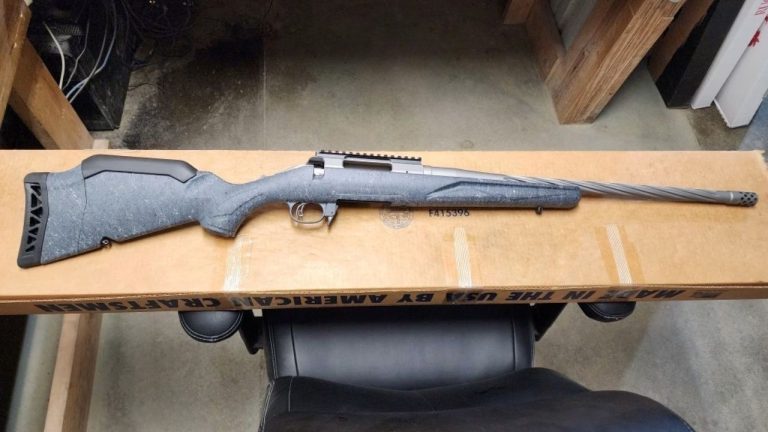
Gear guides that survey the best deer rifles regularly include modestly priced bolt actions alongside far more expensive options, highlighting how rifles like the Ruger American and similar models can shoot tight groups and handle harsh weather without complaint. One such roundup of best deer rifles points readers toward workhorse guns that are easy to carry, simple to maintain, and chambered in common calibers. Compared with the cost and complexity of many custom ultralights, it is easy to see why a hunter who actually hunts hard might choose the simpler option and pocket the savings for fuel or a second tag.
Real hunts, rough conditions, and the value of durability
Hunting rifles live hard lives compared with many range toys, and that reality has pushed people away from fragile gear. Long slogs through rain, snow, and brush expose any weakness in coatings, bedding, and screws. A rifle that loses zero after a minor bump, rusts quickly, or gums up in freezing sleet can turn a long‑planned trip into a disaster. Over time, those experiences teach hunters to value ruggedness over refinement.
Reports on shifting buying habits make the same point, explaining that Reliability under real more than shaving every ounce, and that reality is steering buying habits away from the most extreme ultralights. Hunters who have watched a simple bolt gun keep working after a fall down a scree slope or a night in a wet scabbard tend to trust that platform more than a delicate, highly tuned rifle that demands constant attention. In that light, choosing a plain synthetic stock and a robust action begins to look less like settling and more like smart risk management.
Why “good enough” features often beat premium extras
There is also a growing recognition that some premium rifle features deliver diminishing returns for typical hunting distances. Adjustable chassis, ultra‑light triggers, and elaborate carbon stocks can be wonderful for specialized uses, but they are not required to cleanly take deer inside 300 yards. Many hunters are concluding that a reliable three‑position safety, a crisp but not hair‑trigger pull, and a stock that fits decently are enough to do their job in the woods.
Commentary on lightweight hunting rifles has even argued that hunters are overpaying when they chase extreme weight reduction at the expense of shootability. At the same time, other voices remind hunters that quiet, solid stocks and straightforward slings matter more than flashy accessories when trying to move silently through cover, a point echoed in discussions of Quiet. Rifles and how they behave before the shot. Taken together, the quiet return to simpler rifles looks less like a fad and more like a course correction toward tools that match how most people actually hunt.

Leo’s been tracking game and tuning gear since he could stand upright. He’s sharp, driven, and knows how to keep things running when conditions turn.