
Guns that wear themselves out early
Some guns don’t fail dramatically. They simply fade. Accuracy drifts. Actions loosen. Small parts wear faster than expected. At first, you blame ammo or maintenance. Eventually, you realize the gun itself is aging faster than it should. These firearms often shoot well early in their lives, which makes the decline harder to accept.
Early wear usually isn’t about abuse. It’s about design choices, materials, and tolerances that don’t hold up to real use. When a gun wears itself out, no amount of careful shooting can stop the clock. These are the guns that feel tired long before the shooter does.
Marlin X7
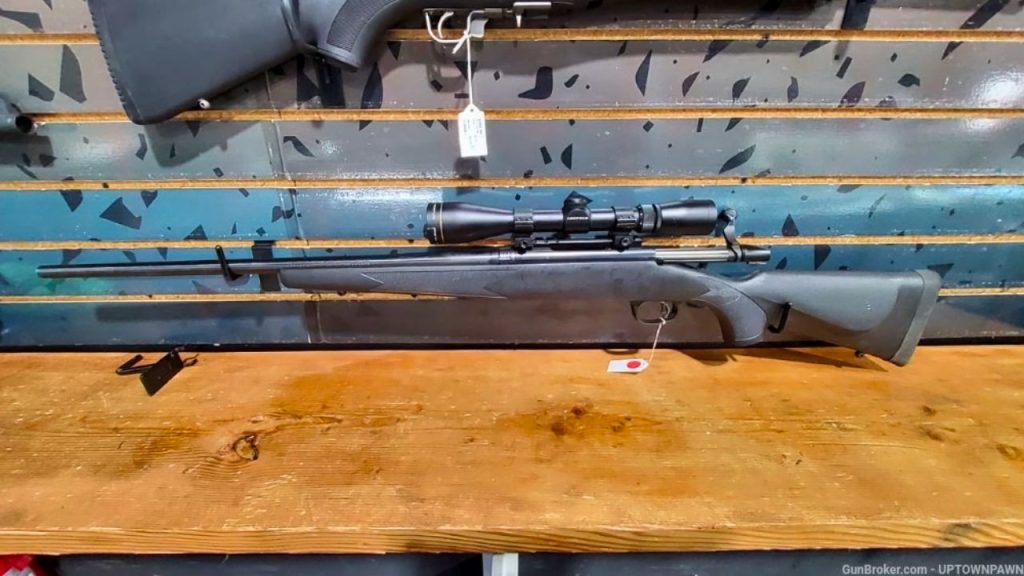
The X7 can shoot well initially, but barrel wear shows up quickly with regular use. Throat erosion alters bullet behavior, and groups begin to open unevenly.
The decline isn’t dramatic, which makes it easy to miss. Over time, consistency fades until the rifle no longer responds to good fundamentals the way it once did.
Remington Model 710
The Model 710 often starts strong, which makes its decline frustrating. As round counts climb, bolt lift becomes rough and inconsistent. Accuracy drifts without warning, even when optics and mounts check out.
Internal wear accelerates quickly, especially in the action rails. Once that wear begins, there’s no practical fix. The rifle keeps functioning, but precision and confidence slip away faster than expected.
Remington 742 Woodsmaster
The 742’s reputation for wearing out is earned. The action rails take a beating with every shot, and once they start rounding off, lockup consistency disappears.
Accuracy suffers first, followed by cycling problems. Even careful cleaning can’t undo the wear. The rifle doesn’t quit suddenly; it simply loses its edge until reliability becomes a question mark.
Ruger Mini-14 (Early Models)
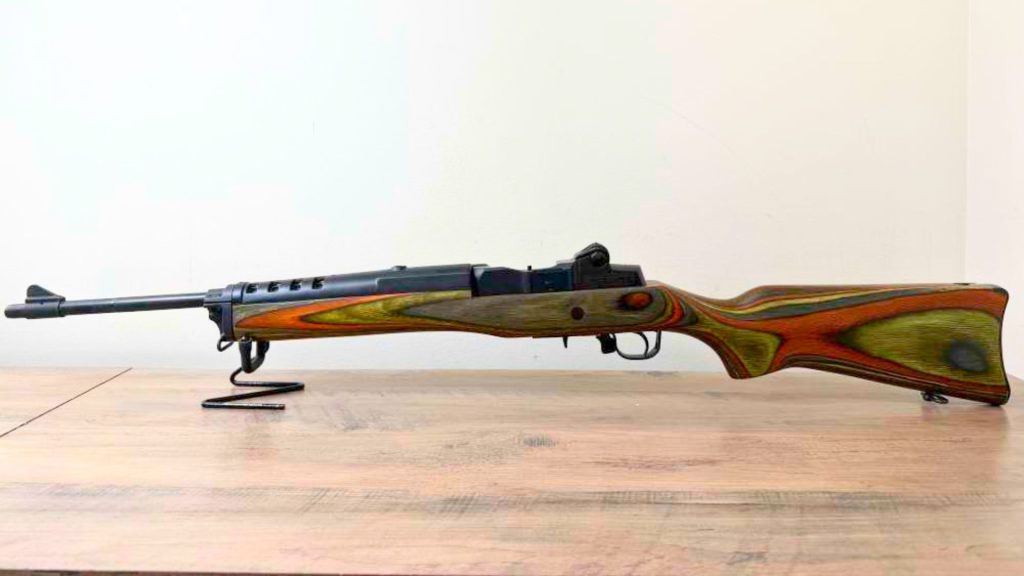
Early Mini-14s run reliably but wear in ways that affect accuracy. Thin barrels heat unevenly, and repeated firing changes harmonics permanently over time.
Gas system wear adds another layer of inconsistency. The rifle still cycles, but shot placement becomes unpredictable. It’s functional, but it ages out of precision earlier than many expect.
Mossberg 4×4
The Mossberg 4×4 often wears at its contact points. Stock fitment and bedding issues worsen as the rifle sees use, leading to shifting point of impact.
Bolt smoothness degrades as grit and fouling accumulate in areas that are hard to address fully. The rifle keeps working, but it never quite feels tight again.
Taurus Millennium Series
Early Millennium pistols often show accelerated wear in the locking surfaces and striker components. Reliability may remain acceptable, but trigger feel and consistency suffer.
As tolerances loosen, small problems stack up. The pistol doesn’t fail outright, but it stops inspiring trust as round counts rise.
Kimber Ultra Compact 1911s
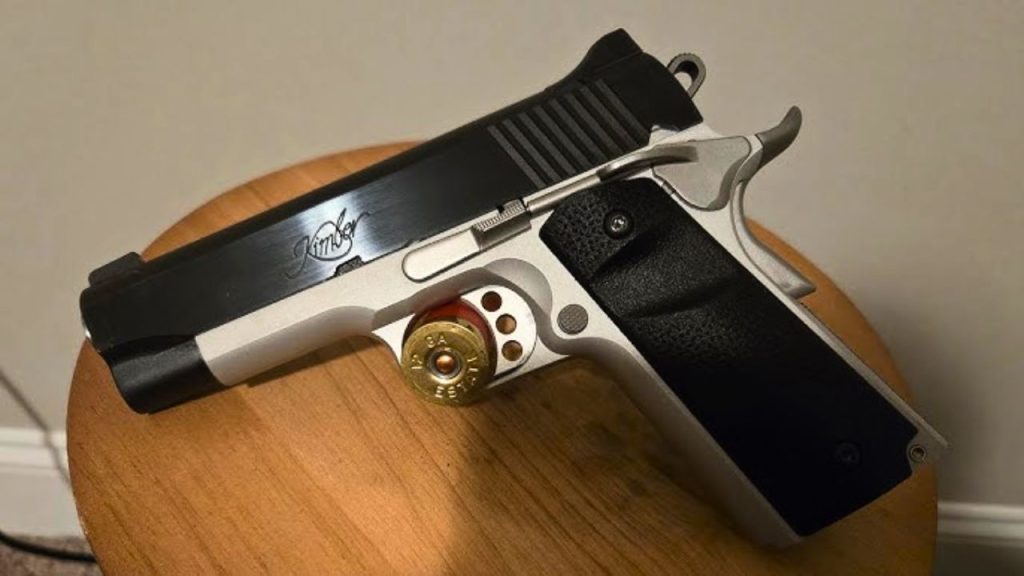
Compact 1911s live hard lives, and wear shows early. Recoil systems cycle aggressively, stressing frames and small parts faster than full-size models.
Timing changes subtly as springs weaken. Reliability becomes sensitive to maintenance and ammo choice. The pistol demands more attention as it ages, not less.
CVA Hunter (Heavy Calibers)
In heavier calibers, the CVA Hunter’s lockup surfaces take repeated punishment. Over time, micro-movement develops that affects consistency.
Accuracy drifts slowly, often blamed on optics or ammo. Once wear sets in, it’s difficult to reverse. The rifle keeps firing, but precision suffers permanently.
Kel-Tec PF-9
The PF-9 prioritizes light weight over longevity. Frame flex and internal wear show up quickly with regular shooting.
The pistol may continue to function, but recoil management worsens and parts fatigue becomes noticeable. It feels tired long before most shooters are done practicing.
Browning BAR (Older Generations)

Older BAR rifles wear internally in ways shooters can’t easily monitor. Gas system components slowly degrade, affecting cycling consistency.
As wear increases, accuracy and reliability drift together. The rifle still fires, but behavior changes subtly enough to undermine confidence over time.
Winchester Model 94 (High-Mileage Rifles)
Well-used Model 94s eventually show wear in the locking surfaces and linkages. Lever movement loosens, and sight alignment becomes harder to maintain.
They keep working, but precision fades. The rifle survives, but it doesn’t stay sharp forever.
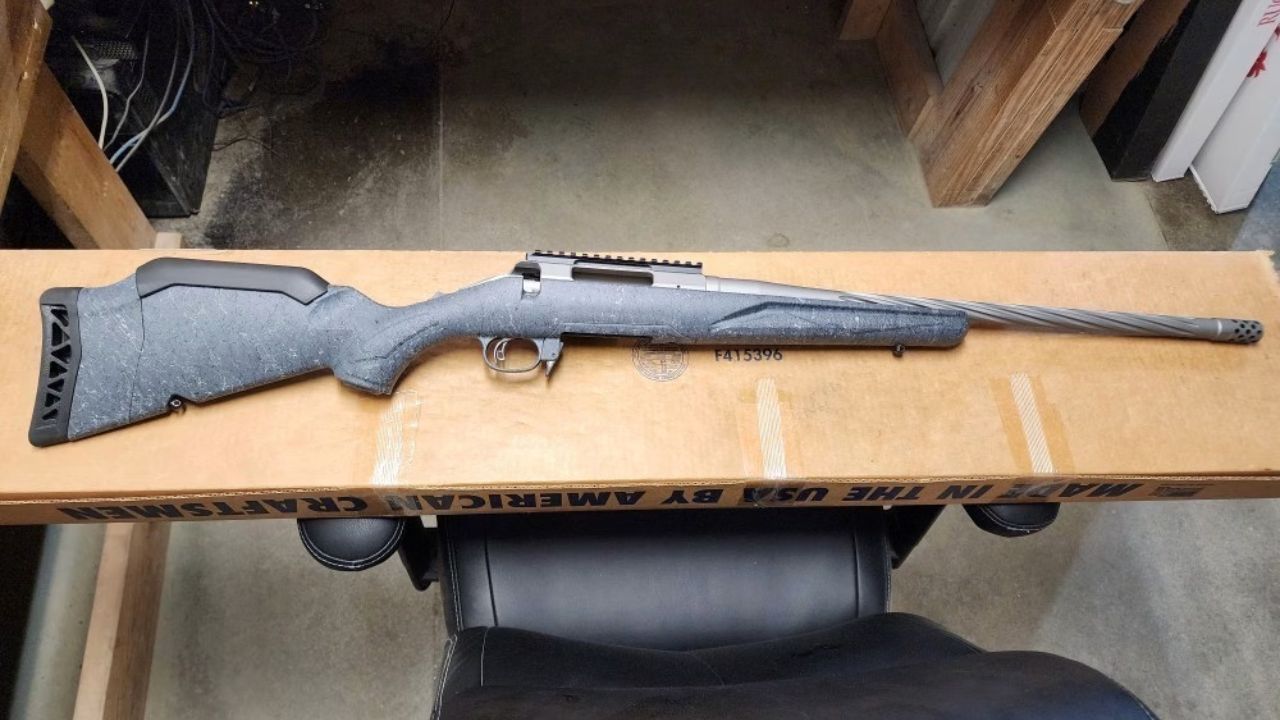
Ruger American (Early Synthetic Stock Models)
The action holds up, but the stock doesn’t age gracefully. Flex and contact issues worsen as the rifle sees use.
Accuracy suffers even though the barrel and action remain capable. The rifle wears out around the shooter rather than through direct failure.

Leo’s been tracking game and tuning gear since he could stand upright. He’s sharp, driven, and knows how to keep things running when conditions turn.


