The common gun-show traps buyers keep falling into
Gun shows promise tables full of deals, rare finds, and face-to-face conversations you will never get from a website checkout page. They also concentrate almost every mistake a buyer can make into one crowded fairground hall, from legal missteps to money pits that look like bargains. If you understand the most common traps before you walk through the door, you can enjoy the show, stay on the right side of the law, and come home with gear that actually holds up on the range.
What I see, over and over, is that the same handful of errors drain wallets and create legal headaches for new and experienced buyers alike. The patterns are predictable: poor research, pressure buying, ignoring paperwork, and trusting a smooth pitch instead of slow, methodical inspection. The good news is that every one of those problems is avoidable if you treat the show like a serious purchase trip instead of a carnival game.
Walking in cold: the research gap that sets up every other mistake

The biggest trap at any gun show starts before you even park the truck. Buyers walk in with a vague idea like “I want an AR” or “I need a carry pistol” and no real plan on models, price ranges, or local laws. That is how someone pays new-in-box money for a beat-up Glock 19 or walks out with a .300 Winchester Magnum they cannot afford to feed. Detailed homework on calibers, street prices, and your own needs is the foundation that keeps every other decision grounded, which is exactly why experienced organizers warn that “Mistake #1” for new attendees is not doing research before the doors open.
Good prep is more than scrolling a few forum threads. I like to build a short list with specific models, realistic price brackets, and a hard ceiling on what I will spend that day. That list keeps you from getting hypnotized by tables stacked with “almost right” guns that are twenty percent overpriced. One detailed guide for new buyers even breaks out how to compare asking prices to what the same gun sells for locally and online, and stresses that you should know how to safely inspect a firearm before you ever start haggling. If you cannot describe what “good condition” actually looks like for the gun you want, you are not ready to buy it in a noisy expo hall.
Sticker shock in reverse: “deals” that are not deals at all
Gun shows are built around the idea of the bargain, which is exactly why pricing psychology hits so hard once you are inside. A tag that says “Show Special” or “Today Only” feels like a win, even when the number is higher than what you would pay at a local shop or on a reputable website. Reporting on common money mistakes points out that some of the worst buys are the ones that sound like steals, from “collector” surplus rifles with mystery bores to optics that are priced like premium glass but sourced from the same overseas factory as the cheapest imports, a pattern that mirrors how gun show buys often fall apart under scrutiny.
The fix is to treat every price tag as an opening bid, not a verdict. Before I hand over cash, I compare the number in front of me to what the same gun, optic, or case of ammo sells for in normal retail channels. If the “deal” is within a few dollars of regular street price, I either negotiate or walk. Seasoned show guides explain how to read the room for real value, from spotting tables that quietly mark fair prices on quality gear to recognizing when a vendor is leaning on buzzwords and nostalgia instead of condition and function, the kind of pattern you see broken down in detail in advice on how to spot a good in a hall full of noise.
Used guns: where the real value is, and where the real risk lives
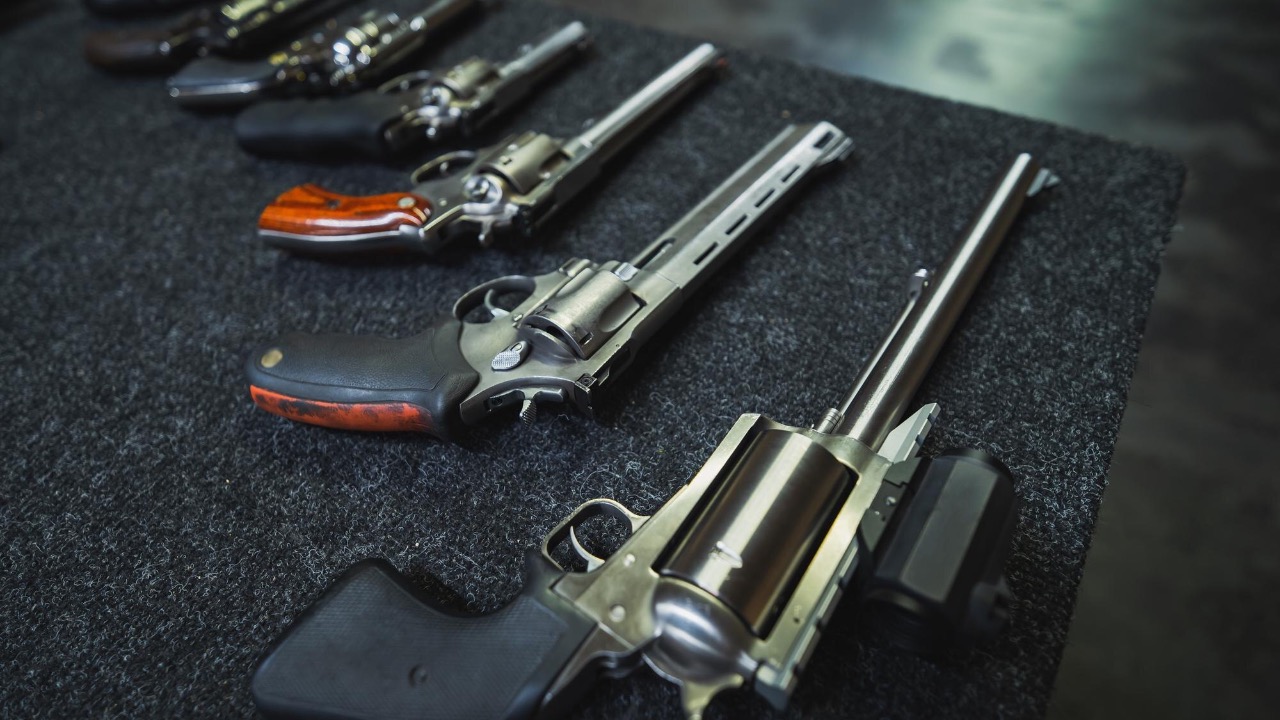
Most of the genuine value at a show sits in the used racks, but that is also where buyers get burned the hardest. A clean revolver or a police trade-in pistol can be a fantastic purchase if you know how to evaluate it, yet plenty of people still buy based on finish alone. Practical checklists for secondhand firearms emphasize the same basics I rely on: verify that the gun is unloaded, check barrel condition with a light, look for peening or cracks around locking surfaces, and test the controls for smooth, positive function, all steps that mirror the structured approach laid out in guidance on how to buy a used without inheriting someone else’s problem.
At a show, you also have to factor in the seller. A private individual with one or two rifles on the table is a different situation than a dealer with a full rack and a business card. I always ask about round count, maintenance, and whether any parts have been replaced, then watch how the seller responds. If they dodge basic questions or refuse to let you field strip a semi-auto that normally comes apart without tools, that is a red flag. Several show-focused guides warn that a vendor who will not let you properly inspect a firearm, or who gives vague answers about function or history, is signaling you should move on, the same kind of red flag behavior that separates a fair deal from a future gunsmith bill.
Ammo, accessories, and the bulk-buy money pit
Once buyers get past the guns, the next trap is stacked high in cardboard cases and plastic bins. Bulk ammo, magazines, and accessories look cheap when they are piled on a table, but that does not mean you are saving money. Detailed breakdowns of expensive show mistakes point out that some of the biggest money sinks are “Ammo and components that look cheap but aren’t” and “Another common money sink is buying bulk ammo that your gun doesn’t like, then realizing you did not actually get a deal,” a pattern that shows up again and again when people chase volume instead of compatibility, exactly as described in analyses of gun show mistakes.
I treat ammo and accessories the same way I treat guns: I buy for a specific purpose, not because the stack looks impressive. Before you commit to a thousand-round case, make sure that load actually runs in your pistol or rifle and that the per-round price beats what you can get from a reputable online seller. The same goes for holsters, slings, and optics mounts. A twenty dollar nylon holster that collapses when you reholster is not a bargain, it is a liability. Smart show guides warn that the impulse to “stock up” is strongest when you are tired and your feet hurt, which is exactly when you should slow down, check your math, and remember that some of the worst overpays happen on the small stuff, not the rifles.
Legal gray zones and the shrinking “gun show loophole”
For years, one of the most talked about traps at gun shows has been the idea that private sales inside the hall were somehow outside the normal rules. That perception helped fuel what critics called the “gun show loophole,” the gap where unlicensed sellers could move firearms without running background checks. The legal landscape has been shifting, and earlier regulatory changes expanded who counts as “engaged in the business” of selling guns, tightening the net around sellers who operate like storefronts while claiming to be private individuals, a change that was highlighted when the administration pushed to expand background checks to more transactions.
More recently, the Bureau of Alcohol, Tobacco, Firearms and Explosives has finalized a rule that directly targets that gap, with the Atf finalizes rule to close what it describes as the “gun show loophole” by broadening the definition of who must run checks. That does not mean every private sale at a show is suddenly illegal, but it does mean buyers can no longer assume that a cash deal at a folding table is off the government’s radar. A video explainer on the new rule walks through how the definition of a firearm seller is changing and how the Biden administration framed the move as an effort to bring more show and online sales under the same background check umbrella, a shift that was laid out in detail when officials described the plan to end the loophole that had been a political flashpoint for years.
Honeypots, solvent traps, and the risk of walking into an investigation
Legal risk at gun shows is not limited to paperwork. In recent years, gun owners have traded stories about “honeypot” booths that seem designed to lure people into talking about illegal modifications or buying items that could be treated as unregistered suppressors. One widely shared account described a table where the vendor pushed “solvent traps” that were drilled and marketed in a way that made them look like ready-to-finish silencers, a setup that the buyer later recognized as a likely honeypot at gunshows aimed at catching people who did not understand the National Firearms Act.
Another detailed post about a Crossroads of the West show in Utah described an “ATF (solvent) trap” booth where the seller’s pitch blurred the line between cleaning accessory and suppressor part, and the writer admitted that if they had not already been familiar with the NFA process, they might have walked straight into trouble, a concern laid out in the discussion of an ATF solvent trap table. A follow up comment thread on the same incident dug deeper into how the display and sales pitch were structured, reinforcing the sense that the booth was less about cleaning gear and more about testing what buyers would say or do, a pattern that was further unpacked when another user linked to the picture of the and described how the layout could mislead someone who did not know the law.
“Only at gun shows”: entrapment myths and NFA misunderstandings
Any time these stories surface, the word “entrapment” starts flying around, and that is another trap in its own right. In one discussion labeled “Only at gun shows,” a commenter responded to a worried buyer by saying “You should ask that question to Randy Weaver,” invoking the deadly Ruby Ridge standoff as a warning about how federal investigations can spiral, while another user bluntly replied “There’s no such thing as entrapmen” in the way people on the internet often shorthand complex legal concepts, a back and forth that played out in a thread titled Only at gun where users argued over how much risk buyers really face.
What I take from those arguments is not that every table is a sting, but that a lot of buyers do not actually understand what the National Firearms Act covers. When someone is haggling over a short barrel, a “solvent trap,” or a drop-in trigger that might convert a rifle into something the law treats as a machine gun, they are playing in a space where intent and configuration matter. The safest move is to assume that anything which could reasonably be assembled into an NFA-regulated item without paperwork is a hard pass unless you are fully squared away on tax stamps and registration. The Randy Weaver reference is a reminder that the government has a long memory for gun cases, and the dismissive “There’s no such thing as entrapmen” line shows how quickly people talk past each other when they have not read the statutes they are gambling with.

Asher was raised in the woods and on the water, and it shows. He’s logged more hours behind a rifle and under a heavy pack than most men twice his age.