The Difference Between Shooting Fast and Shooting Well
Shooters talk constantly about getting faster, but the real separator is the ability to hit on demand at the speed the situation allows. The difference between ripping through a magazine and delivering purposeful rounds is not just a matter of reflexes; it is a question of efficiency, discipline, and how well a shooter understands personal limits. The shooters who win matches and survive defensive encounters are not simply fast, they are the ones who can shoot well at the fastest pace they can truly control.
Speed, accuracy and what “shooting well” actually means
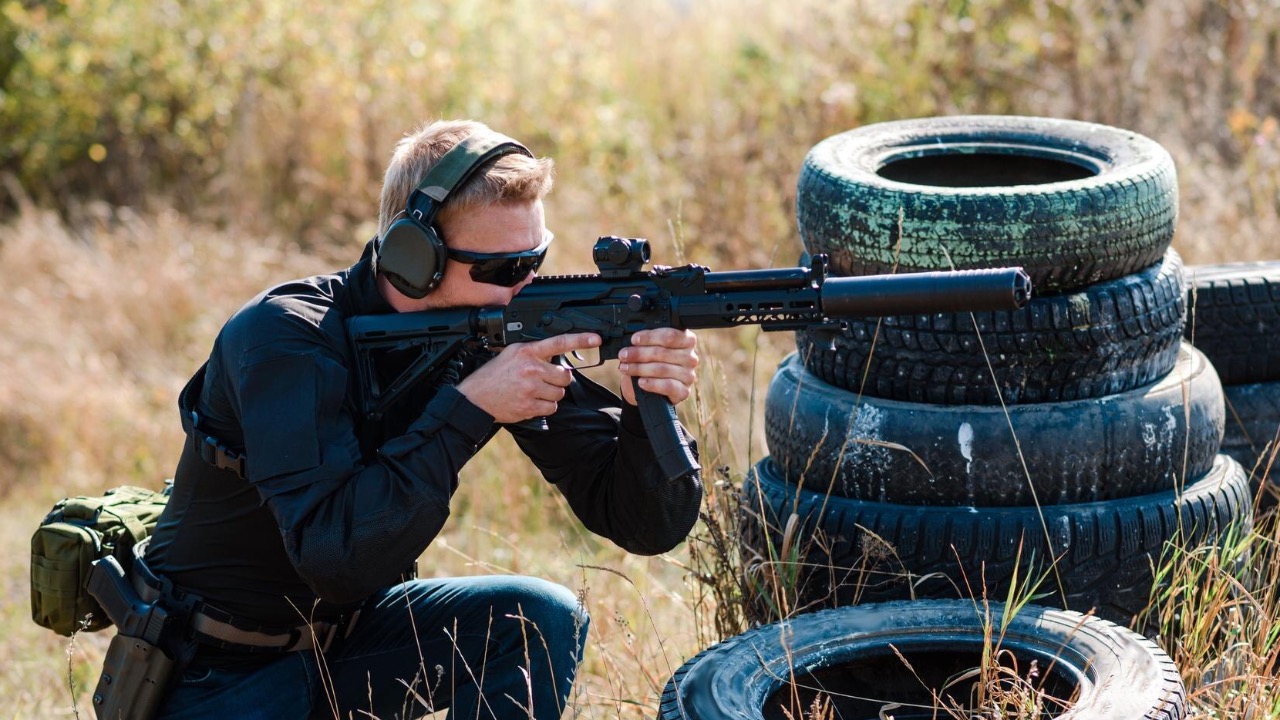
On the surface, shooting fast looks impressive: rapid splits, loud noise, and a target stand rocking under the impact of multiple rounds. Yet when the cardboard is scored or the steel is checked, many shooters discover that the hits do not match the tempo. Competitive and defensive instructors increasingly frame performance around a blend of speed and accuracy, where the standard is not just getting rounds off quickly but landing them in the highest scoring or most vital zones. In practical competition, that blend is captured by Hit factor, which defines performance as POINTS divided by time, and experienced shooters often aim to keep about 90% of available points while still moving aggressively through a stage.
Defensive trainers describe a similar balance with the idea of Operational speed, the fastest pace at which a shooter can reliably hit what they intend to hit under realistic stress and at typical defensive distances of 1 to 7 yards. That concept rejects the false choice between “fast” or “accurate” and replaces it with a single standard: effective hits, delivered quickly enough to matter. In that view, shooting well means maintaining control of sight alignment, trigger press, and recoil management at a tempo that still produces consistent hits in the intended zone, not just on the paper somewhere.
Why efficiency, not raw speed, is the real limiter
Many shooters blame a lack of natural quickness for slow times, when the real problem is wasted motion. Training focused on economy of movement often reveals that the hands, eyes, and body are doing extra work that does not contribute to a better shot. One law enforcement oriented analysis describes how the limiting factor for most shooters trying to improve speed and accuracy is not their reaction time but a lack of efficiency, and that meaningful progress begins when they focus on economy of motion in the draw, grip, and transitions. When every movement is trimmed to what is necessary to obtain an acceptable sight picture, the timer starts to reflect that efficiency without any conscious attempt to “go faster.”
The same analysis notes that shooters often try to accelerate by muscling the gun or slapping the trigger, which produces the illusion of quickness but sprays shots across the target. It describes how a disciplined focus on smooth, repeatable mechanics can allow a shooter to cut times by measurable margins, with one drill example highlighting a drop from 2 seconds to 1.67 seconds while still maintaining control. This fits the broader principle that Efficiency equates to speed when there is no wasted energy, and that chasing raw tempo without tightening technique rarely translates into better performance on demand.
Finding an optimal pace instead of chasing the clock
Performance data from modern shot timers and training apps shows that the right pace is highly individual. A detailed breakdown of split times and draw speeds notes that Optimal pace varies between individuals, and that everyone has a unique rhythm that works for them. In one example, a shooter might run a drill at 2 seconds with clean hits, then gradually shave time until they find a sustainable tempo around 1.67 seconds that still produces reliable accuracy. The key insight is that the best speed is not the absolute minimum time ever recorded, but the fastest time a shooter can reproduce consistently without their hits falling apart.
That individual rhythm becomes even more important once transitions and movement enter the picture. Analysis of match footage and timer data shows that the importance of transitions and pace often outweighs pure split speed on a single target, and that demonstrating slow splits but blazing transitions can lead to a lower overall time than the reverse. In other words, a shooter who races the trigger but hesitates between targets may still finish behind someone with slightly slower splits but a smoother, uninterrupted flow through the stage. Training that focuses on cadence, target-to-target movement, and visual processing helps shooters discover a personal pace that keeps them inside their Operational speed window while still being competitive on the clock.
Mechanical accuracy, recoil control and “shooting well” under pressure
There is also a technical side to shooting well that has nothing to do with how fast a shooter moves their hands. The mechanical consistency of the firearm, often summarized as ACCURACY, determines how predictably it launches a bullet with each shot. One evaluation of a Wilson Combat AR9G carbine defines ACCURACY as a measure of a firearm’s mechanical consistency, explaining that the gun repeatedly sent rounds to the same point of aim and that the tester felt it was the most accurate example of its type that he had used. That mechanical baseline sets the ceiling for what a human can achieve, but it still has to be matched with grip, stance, and trigger work that keep the gun returning to the same place for each follow up shot.
Handgun shooters in particular wrestle with Recoil and the tendency to flinch or push the gun in anticipation of the shot. A detailed guide to pistol fundamentals lists “Work on Recoil Anticipation” as a key step, explaining that Recoil anticipation disrupts sight alignment and is one of the main reasons groups open up even at modest speeds. The same guide recommends dry practice and structured live fire to retrain the brain and hands, so that the shooter learns to let the gun cycle and return to the target instead of fighting it. That approach aligns with competitive advice that soft and predictable return to zero matters more than subjective feel, and with the common refrain from experienced shooters that a flat, controllable gun paired with disciplined recoil management is what allows accurate hits at higher tempo.
Training to shoot faster by first learning to shoot better
Across defensive, competitive, and law enforcement training circles, a consistent theme emerges: shooters improve their speed most when they temporarily stop chasing it. One widely shared training piece argues that shooters need to slow down to shoot faster, explaining that many people try to skip past the fundamentals and end up reinforcing bad habits. The author describes how focusing on front sight clarity, stable grip, and a straight trigger press at a deliberate pace builds the neural pathways needed for later speed, and that the real breakthrough comes when those skills become automatic. The same source points out that when shooters finally reintroduce the clock, their times drop naturally because they are no longer wasting effort or fighting their own technique, and that this shift often happens after about 32 focused repetitions of a given drill, which is enough to start wiring in a consistent pattern according to the training example at Feb.

Leo’s been tracking game and tuning gear since he could stand upright. He’s sharp, driven, and knows how to keep things running when conditions turn.