As recently as 2024, the Canadian Armed Forces still issued the Browning Hi-Power pistol first adopted in the 1930s
The Browning Hi-Power isn’t just a relic; it’s a symbol of longevity in military service. Designed by John Browning and finished by Fabrique Nationale in the 1930s, it became one of the most widely used pistols in history. Canada adopted it officially in the mid-20th century, and remarkably, the Hi-Power remained in service into 2024. The reasons aren’t simple nostalgia. Its durability, controllable recoil, and magazine capacity made it a reliable sidearm even decades after other militaries had retired theirs. Yet, using a pistol designed in the 1930s in modern operations reveals both the resilience and limitations of this classic design.
Ergonomics Ahead of Its Time
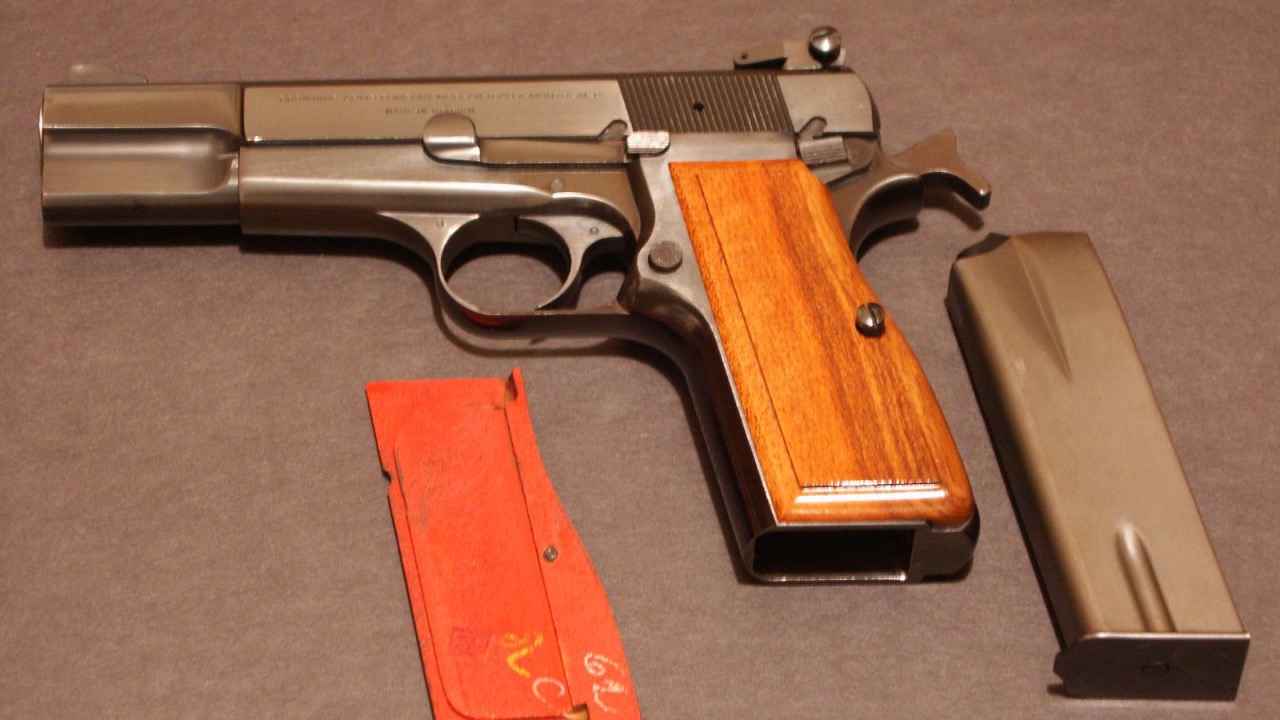
When the Hi-Power was introduced, most pistols were clunky and hard to handle. Its slim, full-length grip accommodated more fingers and offered a better hold than many contemporaries.
Even by modern standards, the ergonomics make it comfortable for a variety of hand sizes. The magazine capacity of 13 rounds in 9mm was generous compared to other pistols of the era, giving Canadian soldiers a tactical advantage. However, modern polymer pistols have refined grips and angles further, showing that while the Hi-Power was advanced for its time, it now feels dated in long shooting sessions.
Steel Frame Durability
One of the reasons the Canadian Armed Forces kept it so long is the steel frame. It absorbs recoil well and rarely flexes under stress.
Unlike many polymer-framed pistols, the Hi-Power’s frame stands up to decades of service without cracking or warping. It also tolerates harsh climates, from frigid Canadian winters to humid deployments abroad. While heavy compared to modern sidearms, that mass contributes to stability, letting soldiers maintain control under rapid fire. It’s a design feature that’s easy to overlook until you’ve shot lighter, snappier pistols for a day.
Simple Yet Effective Sights
The original Hi-Power came with low-profile iron sights, which are simple but effective. They’re easy to acquire quickly, even under stress.
Canadian soldiers appreciated the straightforward design during training and service, reducing complexity in high-stakes scenarios. While not adjustable in the field like modern optics-ready pistols, these sights are tough, rarely misaligned, and can take hits without losing zero. For decades, this reliability offset the lack of more sophisticated sighting systems, demonstrating that simplicity often complements durability in military hardware.
Magazine Reliability
The 13-round double-stack magazine of the Hi-Power was revolutionary for its time. Even after decades, these magazines feed reliably.
Canadian troops benefited from the large capacity, allowing sustained fire without constant reloads. The magazine lips and spring design are robust, and many original units lasted for decades with proper care. Modern sidearms often rely on polymer magazines, which can warp or crack, especially in extreme temperatures. The Hi-Power proves that metal construction, when well-engineered, can outlast more contemporary approaches under military stress.
Resilient to Harsh Conditions
The Hi-Power’s all-steel construction and tight tolerances made it surprisingly resilient to environmental extremes. Canadian forces often trained and operated in snow, rain, and dust, yet the pistol rarely jammed.
Compared to other mid-century sidearms, it required minimal maintenance even after exposure to grit and moisture. While modern pistols often emphasize modularity and lightweight construction, the Hi-Power’s old-school robustness meant fewer breakdowns in the field. Soldiers learned to trust the gun’s consistent operation, even when other equipment might fail, which explains why the military held onto it far longer than many expected.
Legacy and Familiarity
By the time 2024 rolled around, the Hi-Power had become more than a weapon—it was a familiar tool for generations of Canadian soldiers. Training programs, manuals, and muscle memory were built around its operation.
Even with newer sidearms available, the institutional knowledge surrounding the Hi-Power gave it staying power. Troops knew how to disassemble, clean, and troubleshoot the pistol without reference materials. That kind of ingrained familiarity can outweigh small technical advantages in newer models, which explains why the Hi-Power lingered in service longer than most people would expect from a design approaching a century old.
Simple Maintenance
Unlike many modern pistols with modular parts, optics rails, and specialized tools, the Hi-Power’s disassembly and maintenance are straightforward.
Canadian soldiers could field-strip the gun in minutes without advanced tools. Cleaning and lubrication routines are uncomplicated, meaning it could be maintained efficiently in garrison or field conditions. While modern firearms offer upgrades and customization, the Hi-Power’s simplicity ensures consistent function, which is often more valuable than adaptability when reliability is critical.
Recoil Management
The Hi-Power’s steel frame and fixed barrel contribute to controllable recoil, which helped shooters maintain accuracy during rapid fire.
Even inexperienced recruits could learn to manage recoil better than with lighter polymer pistols of similar caliber. This feature became particularly useful in training exercises, where consistency in marksmanship was a priority. It also allowed Canadian forces to extract practical performance from a pistol whose design predates modern ergonomics.
Historical Significance
For Canadian soldiers, using the Hi-Power was a tangible link to military history. It saw service in multiple conflicts and became a symbol of continuity.
This isn’t a technical advantage, but familiarity and tradition have a practical side: seasoned instructors could reference decades of operational experience when training new recruits. The pistol’s enduring presence reinforced institutional memory, helping maintain discipline and standardized procedures across generations.

Asher was raised in the woods and on the water, and it shows. He’s logged more hours behind a rifle and under a heavy pack than most men twice his age.