Man fined $95,000 for illegal possession and mishandling of invasive species
If you spend enough time around fish and wildlife officers, you start to hear the same warning over and over: invasive species cases aren’t minor paperwork violations. They’re taken seriously because once a non-native plant or animal gets loose, you don’t get a do-over. Ecosystems change fast, and the damage can last decades.
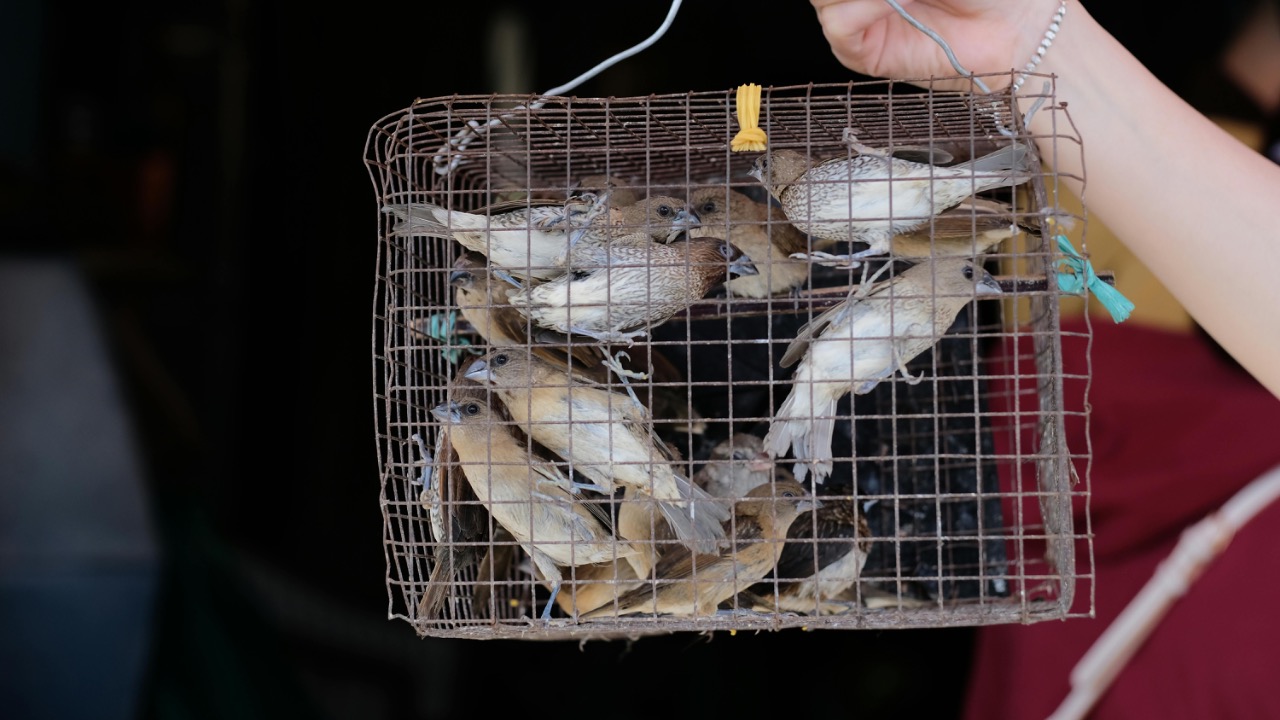
In this case, a man learned that lesson the hard way. He was fined $95,000 after authorities found he had illegally possessed and mishandled regulated invasive species. The penalty wasn’t only about ownership. It stemmed from how those species were stored, transported, and potentially exposed to local waterways and habitats.
What Made the Species Illegal

Not every non-native animal is illegal to own, but many are tightly regulated. Species such as certain Asian carp, snakehead fish, zebra mussels, and invasive reptiles are restricted because they can establish breeding populations quickly and outcompete native wildlife.
In this situation, the species involved were classified as invasive under state and federal regulations. That designation means possession without permits is unlawful, especially when there’s a risk of release. Wildlife agencies don’t make those calls lightly. They consider ecological impact, reproductive rates, and history of damage in other states before adding a species to restricted lists.
How Mishandling Made It Worse
Possession alone can trigger fines, but mishandling raises the stakes. Invasive species must be stored and transported under strict containment rules. Improper tanks, unsecured enclosures, or dumping water into storm drains can spread larvae or eggs without you realizing it.
Authorities determined that the handling practices in this case increased the risk of escape or environmental contamination. Even if no release is confirmed, the potential for spread can be enough to support significant penalties. Wildlife law focuses on prevention, not waiting until the damage is done.
Why the Fine Was So High
A $95,000 fine catches attention, and it’s meant to. Courts often calculate penalties based on the number of violations, duration of possession, and the ecological risk involved. Each individual specimen can count as a separate offense under certain statutes.
Judges also weigh deterrence. Invasive species cost states millions annually in control efforts and lost habitat quality. When someone knowingly or negligently bypasses regulations, the court may impose a penalty large enough to discourage others from doing the same. It’s not symbolic; it reflects the scale of potential harm.
The Ecological Stakes
Invasive species don’t need much help to spread. A single fertilized fish, a handful of plant fragments, or contaminated equipment can alter waterways and wetlands. Native species often have no defense against aggressive newcomers that reproduce quickly and consume shared resources.
For anglers and hunters, the consequences are tangible. Fisheries decline, waterfowl habitat shifts, and management budgets get stretched thin. When enforcement agencies push hard on cases like this, it’s because they’ve seen firsthand what happens when prevention fails. Cleanup is far more expensive than enforcement.
Legal Responsibility of Private Owners
You might think invasive species laws apply only to commercial operations, but private individuals carry responsibility too. Owning restricted species without proper permits, even unintentionally, can put you on the hook for serious fines.
Ignorance rarely holds up in court. Agencies expect owners to research regulations before importing, breeding, or transporting wildlife. In many states, moving aquatic species across county lines without authorization is already a violation. Once mishandling enters the picture, liability increases fast.
What This Means for Sportsmen
For most hunters and anglers, cases like this are a reminder to stay sharp on regulations. Clean your gear, drain live wells, and double-check what species are legal to possess. Those small steps protect the resources you depend on.
You also protect yourself. A single oversight can spiral into citations, seized equipment, and heavy financial penalties. Wildlife law isn’t flexible when it comes to invasive threats. The $95,000 fine in this case sends a clear message: if you gamble with invasive species regulations, you’re gambling with far more than a warning ticket.

Asher was raised in the woods and on the water, and it shows. He’s logged more hours behind a rifle and under a heavy pack than most men twice his age.