6 common mistakes people make when approaching a dog
You can tell a lot about someone by how they walk up to a dog. I’ve watched grown adults undo years of good training in about five seconds because they moved wrong, stared too hard, or ignored what the dog was clearly saying. Most bites don’t happen because a dog is “bad.” They happen because a person missed signals or pushed too fast.
Dogs live in a world of posture, pressure, and space. When you approach them like you would another person, you create tension without realizing it. If you slow down and read the moment, you’ll avoid most problems before they start. Here are mistakes I see all the time — even from people who swear they’re “great with dogs.”
Leaning Over the Dog’s Head
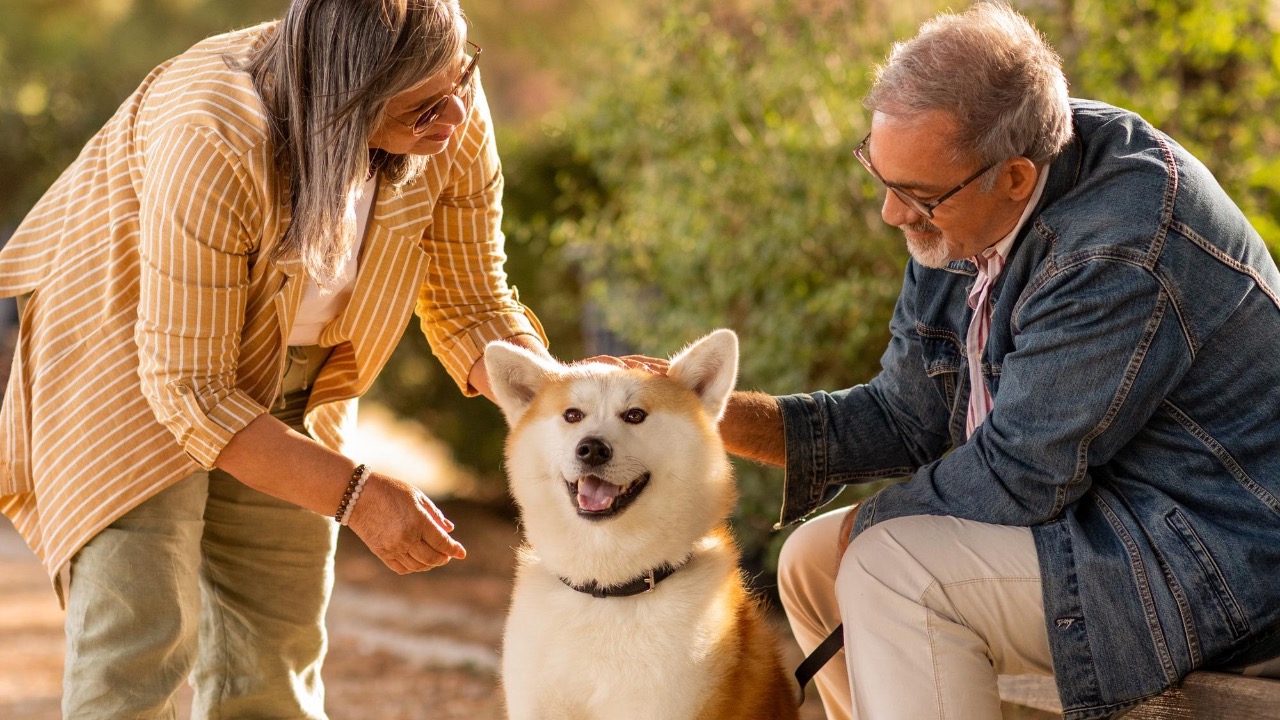
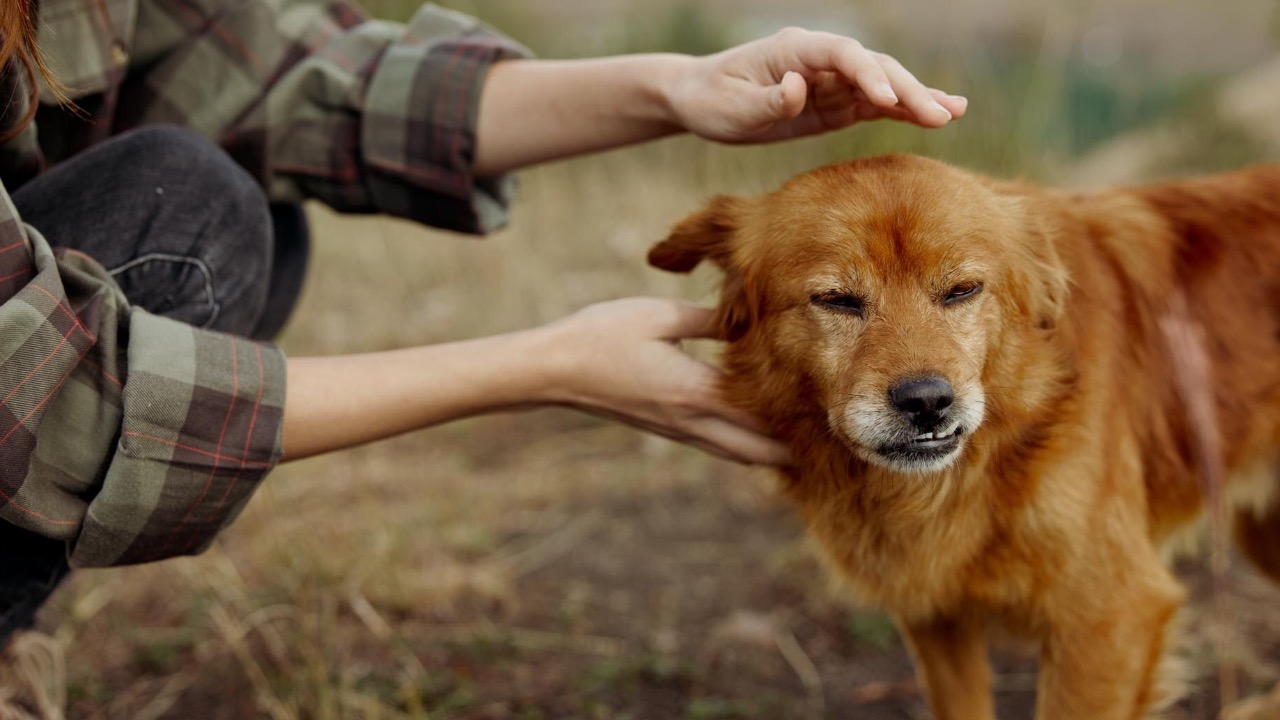
When you bend at the waist and reach over a dog’s head, you’re applying pressure. In dog language, that posture can feel dominant or threatening. Even friendly dogs may stiffen, lean back, or lick their lips when you crowd them from above.
You’re better off turning your body slightly sideways and lowering yourself at the knees instead of folding over at the hips. Keep your movements controlled and give the dog room to decide if it wants to close the distance. When you hover, you take away that choice — and that’s where tension starts.
Locking Eyes Right Away
Humans make eye contact to show attention. Dogs often interpret a hard stare as a challenge. When you lock eyes with a dog you don’t know, especially while moving toward it, you increase pressure immediately.
Instead, soften your gaze. Look at the dog’s chest or shoulder area and blink naturally. You can glance at the dog without drilling into its eyes. If the dog chooses to look at you and hold contact in a relaxed way, that’s different. But forcing eye contact early can shift a neutral encounter into something uneasy fast.
Ignoring Subtle Stress Signals
Most people wait for a growl to realize something is wrong. By then, the dog has already tried several quieter signals. Lip licking, yawning when not tired, turning the head away, freezing briefly, or lifting a paw can all signal discomfort.
If you see those signs and keep moving forward, you’re telling the dog its communication doesn’t matter. That’s how escalation happens. When you notice stress signals, pause or create space. Give the dog a second to reset. Respecting those early cues prevents the need for louder ones later.
Reaching for the Collar
Grabbing for a collar might seem harmless, especially if you’re trying to check tags. But reaching toward a dog’s neck can feel invasive. Many dogs guard that space instinctively, even if they tolerate petting elsewhere.
If you need to check identification, talk to the owner first or let the dog fully warm up before you move your hands near its neck. Better yet, let the dog initiate contact. When you skip ahead and grab, you risk startling the dog and triggering a defensive response you could have avoided.
Petting Too Fast and Too Rough
Excitement makes people speed up. They pat hard, rub the top of the head, and scratch aggressively before the dog has settled. What feels friendly to you can feel overwhelming to the dog.
Start with slow, steady strokes on the side of the neck or chest if the dog approaches willingly. Watch how it responds. Does it lean in, relax, and soften its posture? Or does it pull away or stiffen? Match your intensity to the dog’s comfort level. You don’t earn trust by overpowering the moment.
Approaching When the Dog Is Restrained
A dog on a leash, in a crate, or tied to a post has fewer options. When you approach a restrained dog, you remove its ability to create distance. That alone can raise stress.
Even calm dogs can react differently when they feel trapped. If you see a dog tethered or confined, give it extra space and ask the owner before engaging. Don’t assume a wagging tail means an open invitation. When a dog can’t move away, it may feel forced to stand its ground instead.
Take your time when you meet a dog. Move with awareness instead of confidence. Most dogs are clear communicators if you’re willing to pay attention. When you approach with respect for space and body language, you set the tone for a safe, steady interaction — and that’s how you keep both yourself and the dog out of trouble.

Asher was raised in the woods and on the water, and it shows. He’s logged more hours behind a rifle and under a heavy pack than most men twice his age.