I brought an M1A to the range — and wished I’d bought one sooner
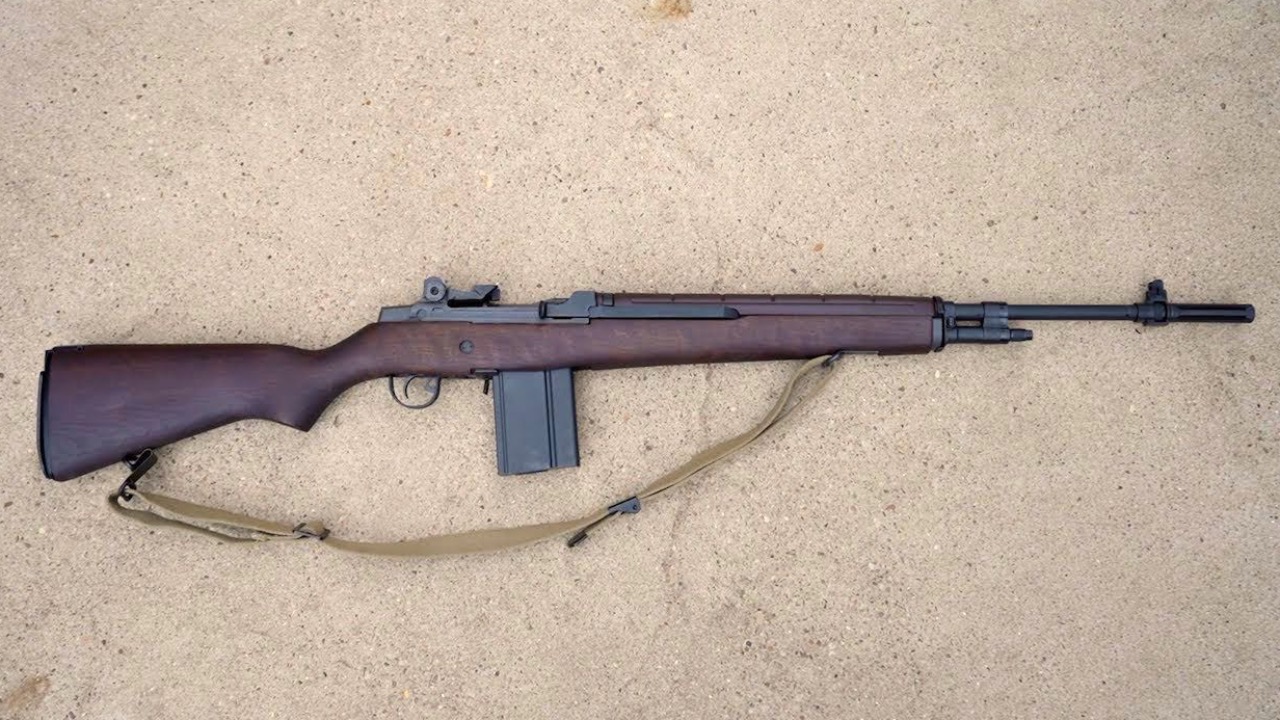
Few rifles command the instant respect that a Springfield M1A draws when it comes out of a case at the firing line. The mix of walnut, parkerized steel, and .308 Winchester power carries a reputation that stretches from historic battlefields to modern competition bays. For a shooter who finally adds one to the safe, it often feels less like a new purchase and more like catching up on a long overdue decision.
A first extended range session with an M1A tends to answer an old question about whether classic battle rifle ergonomics can still compete with contemporary designs. Once the sights settle on steel and the recoil impulse rolls back into the shoulder, any regret is not about buying the rifle, but about waiting so long to discover how well this platform still performs when it is given quality ammunition and a thoughtful zero.
The M1A’s lineage and why it matters at the range
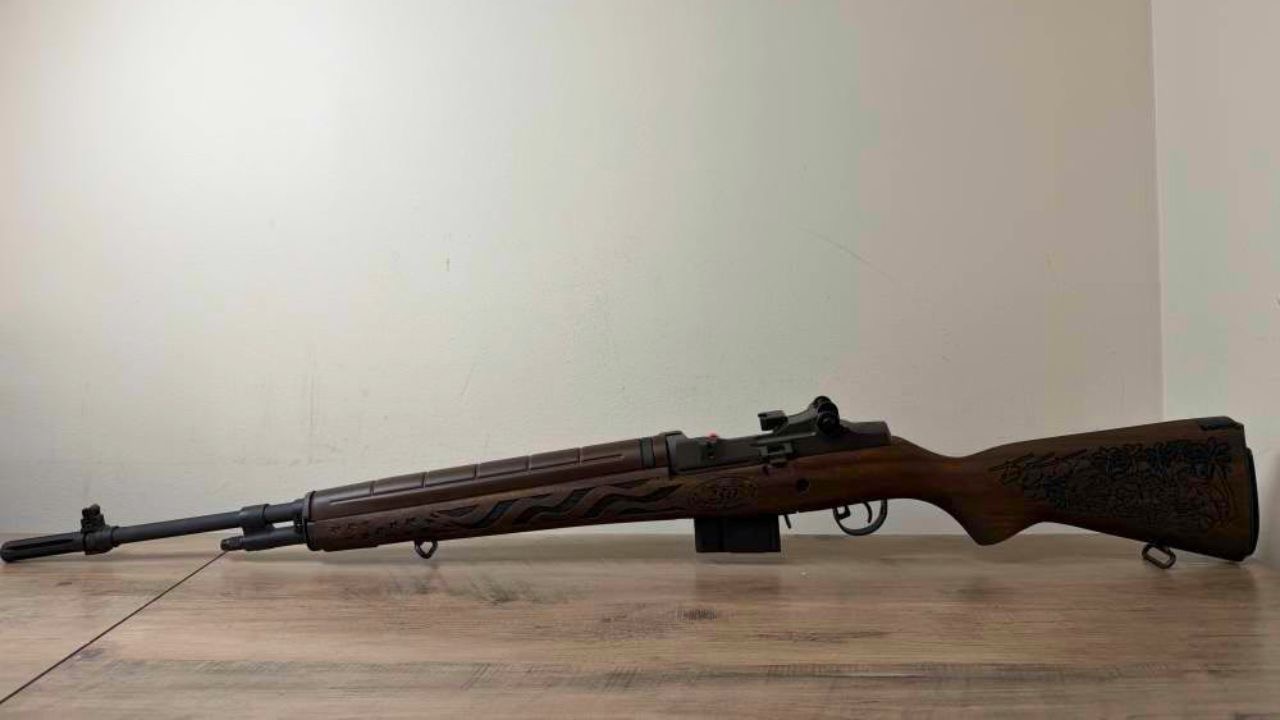
The Springfield M1A does not exist in a vacuum; it carries forward the mechanical DNA and battlefield reputation of the Garand and later M14 pattern rifles. That heritage is more than marketing, because the basic layout, gas system, and iron sight design were refined through years of service use before being adapted for the civilian market. The Garand itself set the benchmark for a semi automatic service rifle, and its reputation for reliability and practical accuracy still shapes expectations for any modern descendant chambered in a full power cartridge.
When shooters talk about the M1A at the range, they are often comparing it mentally to the earlier Garand Rifle that proved itself with excellent sights and dependable performance under harsh conditions. The standard Garand, sometimes simply called the Garand Rifle, built its status in conflicts where those iron sights and rugged Springfield machining mattered for survival, including brutal campaigns such as the Battle of the Bulge, and that history informs how many enthusiasts view the M1A’s role as a serious, full size rifle rather than a nostalgic prop, a connection that is clear when examining a detailed Garand review.
Steel, wood, and the feel of a Springfield M1A Scout Squad
One of the first impressions that hits a shooter who shoulders a Springfield M1A Scout Squad is the tangible weight and balance of steel and wood. Modern rifles often lean on polymer and lightweight alloys, but the Scout Squad configuration keeps the traditional profile and materials that give it a solid, almost old world feel. That heft translates into a recoil impulse that is more of a rolling push than a sharp jab, which can make longer strings of fire more comfortable than some lighter .308 platforms.
The Scout Squad model also illustrates how Springfield has tried to keep the classic character of the M1A while offering a slightly more compact package that still handles .308 Winchester or 7.62 NATO loads with authority. Because it is made from steel and wood, the Springfield M1A Scout Squad carries that old school battle rifle aura that many shooters associate with decades of hard use, and experienced testers have pointed out that this configuration simply works, and has done so for decades, in a way that feels reassuring when a shooter is settling in behind the sights, a point reinforced in detailed evaluations of the Springfield Scout Squad.
Classic ergonomics versus modern expectations
On the bench, the M1A’s controls remind shooters that this is a product of a different design era, yet those features still make sense in use. The safety nested inside the trigger guard, the charging handle on the right side, and the magazine rock and lock system all demand a bit of practice, but they reward consistent technique with repeatable reloads and safe handling. The stock geometry encourages a solid cheek weld for iron sights, which can feel more natural for shooters used to traditional hunting rifles than the straight line stocks found on many modern carbines.
At the same time, the M1A has to compete with rifles that were built around optics, modular rails, and adjustable stocks. Shooters who are used to lightweight AR pattern rifles may initially find the M1A’s length of pull and sight height less accommodating for red dots or low power variable scopes. Even so, the iron sights that trace back to the Garand give a precise, adjustable aiming system that many experienced marksmen still trust for distances where a full power cartridge shines, and that connection to the earlier Springfield designs helps explain why some shooters come away from the range surprised that a classic layout can still meet modern accuracy expectations.
Recoil, accuracy, and the learning curve
Range sessions with an M1A quickly reveal that the rifle rewards fundamentals. The weight of the action and stock soaks up a significant amount of recoil energy, and the long operating rod system stretches the impulse over a slightly longer time, which can make the .308 feel more manageable than its ballistics might suggest. For shooters stepping up from intermediate calibers, the first few shots often recalibrate their sense of timing, but once they settle into a consistent shoulder pocket and firm grip, the rifle tracks predictably through recoil.
Accuracy from a practical standpoint tends to be limited more by the shooter’s ability to use the iron sights and manage the trigger than by the inherent potential of the design. The lineage that runs from the Garand Rifle to the M1A brought with it a reputation for very usable sights, with clear apertures and repeatable adjustments that can hold zero under rough handling. That heritage shows up on paper targets when groups tighten as the shooter learns the sight picture and break point, and it echoes the performance that made the original Garand such a respected Springfield product in service use, where its excellent sights helped soldiers place accurate fire under pressure.
Why the M1A still appeals in a world of ARs
Despite the dominance of modular AR platforms on modern ranges, the M1A remains attractive to shooters who value a different mix of qualities. The combination of a full power cartridge, traditional stock, and battle proven layout offers a sense of continuity that many enthusiasts appreciate, especially those who grew up hearing stories about the Garand and its successors. For some owners, the M1A is as much about connecting with that lineage as it is about raw performance, yet the rifle still has to justify its place with practical capability.
On that front, the M1A offers a stable shooting platform that can handle hunting, target work, and general purpose roles without feeling out of place. The weight and length that might be seen as drawbacks in tight indoor environments become assets when firing from supported positions or prone, where the rifle settles naturally and the sight radius helps with precise aiming. That balance between heritage and function explains why a shooter, after finally bringing an M1A to the range, might immediately wish the decision had been made years earlier, because the rifle fills a niche that lighter, more modular designs do not fully replace.
Training with analogs: what an airsoft SOCOM 16 teaches
Not every shooter can run a centerfire M1A as often as they would like, which is where training analogs can play a role. Airsoft replicas that mimic the SOCOM 16 style M1A give enthusiasts a way to practice handling, shouldering, and sight alignment without the cost and recoil of .308 ammunition. While the internal mechanics are completely different, the external dimensions and control layout can be close enough to reinforce muscle memory, especially for newer owners who are still building familiarity with the platform.
One example is a SOCOM 16 style AEG that incorporates features such as a full metal gearbox, an adjustable hop up, and a high capacity magazine that holds up to 400 rounds, which allows extended drills without constant reloading. That kind of airsoft rifle, described in detail in product listings for a Matrix branded M1A SOCOM 16 AEG with bipod, provides a way to rehearse manipulations and positional shooting that directly translate to the real rifle, and the combination of an adjustable hop up and a magazine capacity of precisely 400 rounds sets it apart from lower end training tools.
Comparing the M1A to the original Garand on the firing line
For shooters who have access to both a Garand and an M1A, side by side range time highlights how Springfield’s evolution of the design changed the shooting experience. The Garand Rifle, with its en bloc clip system and .30-06 chambering, delivers a distinctive ping and a slightly different recoil impulse, but the sight picture and stock feel are immediately familiar when transitioning to the M1A. The later rifle’s detachable box magazines and common .308 or 7.62 NATO chambering bring it closer to modern expectations for capacity and ammunition availability.
On paper, group sizes between a well maintained Garand and a quality M1A often come down to barrel condition and ammunition choice rather than inherent design differences. The excellent sights that defined the Garand carry over to the M1A, and both rifles reward careful sling use and consistent cheek weld. For many enthusiasts, shooting both platforms in the same session deepens appreciation for how the Garand’s battlefield record, including its performance in harsh winter fighting and large scale engagements, laid the groundwork for the civilian M1A that now occupies a respected place on American firing lines.
Range etiquette and the presence of a full size battle rifle
Bringing an M1A to a public range changes the dynamic at the benches around it, simply because of the report and muzzle blast associated with a full size .308 rifle. Responsible owners quickly learn to be mindful of neighboring shooters, especially those working with rimfire or pistol calibers, and to choose lanes or shooting times that minimize disruption. Double hearing protection, careful muzzle discipline, and clear communication with range staff all become part of the routine when running a rifle that commands attention with every shot.
At the same time, the M1A often acts as a conversation starter, drawing interest from shooters who recognize the silhouette from history books or films but have never handled one in person. That curiosity can create opportunities to discuss the Garand lineage, Springfield’s role in producing both the original service rifles and the modern commercial variants, and the practical realities of maintaining and shooting a platform that predates the current generation of modular carbines. In that sense, the rifle serves not only as a tool for marksmanship but also as a bridge between different eras of small arms design and the communities that appreciate them.
Why the regret sets in late, not early
The phrase about wishing the rifle had been purchased sooner usually surfaces after the first full day of shooting, once the owner has cycled through different ammunition types, adjusted the sights, and settled into the M1A’s rhythm. The initial cost, weight, and perceived complexity that might have delayed the purchase fade into the background when the rifle starts printing consistent groups and delivering a satisfying shooting experience. That shift in perspective is common among enthusiasts who finally move from admiring the platform at a distance to actually running it hard on steel and paper.
Ultimately, the M1A’s enduring appeal rests on its ability to merge a storied past with present day performance in a way that feels authentic rather than nostalgic. The same qualities that made the Garand Rifle a respected Springfield product, from its excellent sights to its battlefield reliability, echo through the M1A’s design and behavior on the range. For shooters who have hesitated, the first range trip often serves as a clear reminder that some rifles earn their reputation not through marketing cycles but through decades of consistent, well documented performance, and that realization tends to bring a single, recurring thought to mind about how long they waited to experience it firsthand.

Asher was raised in the woods and on the water, and it shows. He’s logged more hours behind a rifle and under a heavy pack than most men twice his age.