Fishing techniques that only work in perfect conditions
Fishing isn’t just about gear or patience—it’s about reading conditions. Some techniques shine under ideal circumstances but fail the moment the wind shifts, the water cloudies, or the temperature drops. These methods can give the impression of magic when everything aligns, but the reality is they’re fragile. Recognizing which techniques rely on perfect conditions keeps you from frustration and wasted time. Here’s a look at several approaches that work brilliantly… if the stars happen to align.
Topwater Frogging in Still Water
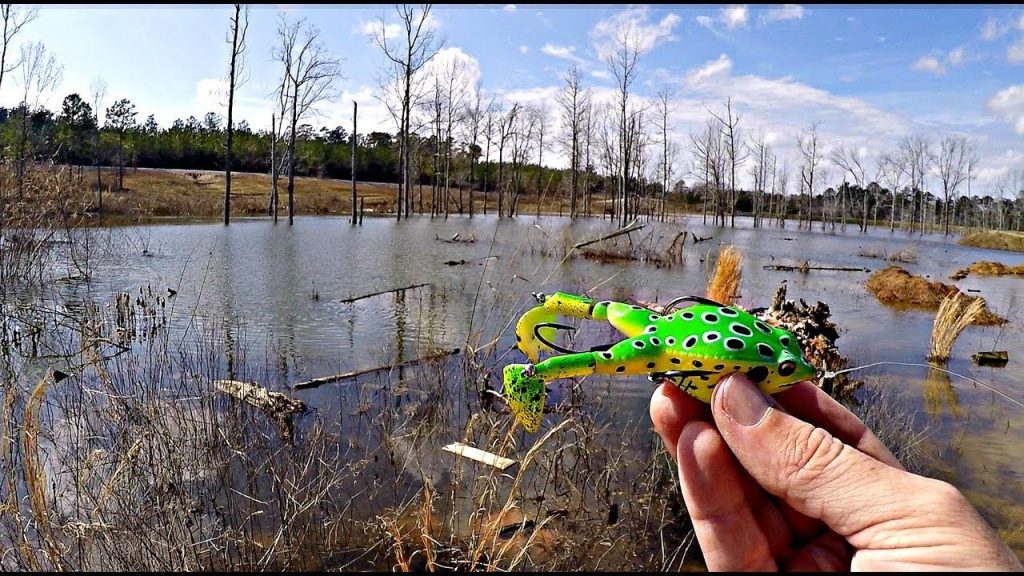
Fishing frogs on topwater can be exhilarating, but it demands calm water and precise cover. Even a slight ripple or current change can send fish scattering.
You need warm water, heavily vegetated banks, and low wind. A slow, steady presentation works, but any turbulence can disrupt the lure’s action. When conditions are perfect, bass explode from hiding spots with incredible force, but outside that narrow window, topwater frogs rarely entice a strike. This technique is spectacular in the right moment but fails in marginal conditions, making it more of a showstopper than a reliable method.
Twitching Soft Plastics Near Docks
Soft plastics can be deadly near dock structures, but only if the water is clear and temperatures moderate. Fish must be actively feeding, and visibility is key for precise placement.
A subtle twitch simulates struggling prey, but murky water or strong currents mask the movement. Timing and depth must be near perfect; otherwise, the lure sits unnoticed. When everything lines up—clear water, calm weather, and willing fish—this technique produces aggressive strikes. Outside of that, it can feel like waving a stick at empty water, frustrating even experienced anglers.
Fly Fishing Dry Flies for Trout
Casting dry flies over rising trout is iconic, but it’s only effective in very specific conditions. The water must be calm, trout actively feeding on surface insects, and visibility high.
Wind or rain can ruin the presentation, causing drag and spooking fish. Trout have little patience; an unnatural drift or poor timing results in refusals. In ideal conditions, you can watch a trout erupt on a perfectly placed fly, but outside that narrow window, dry-fly fishing becomes more a waiting game than an active pursuit. Precision, observation, and perfect weather are all critical.
Shallow Water Spinnerbait Fishing
Spinnerbaits are flashy, but their effectiveness in shallow water drops drastically when water clarity and light angle shift.
They work best in sunny conditions with calm water, where flash and vibration carry. Windy days or murky water obscure the lure’s movement, and bass often ignore it. Perfect conditions let the lure trigger reaction strikes as fish chase the flash. Slightly off—turbulent water, low light, or murky runoff—the technique loses nearly all effectiveness, leaving anglers wondering why the fish aren’t responding.
Drop Shotting for Bass
Drop shot rigs shine in clear, deep water, where bass can see and target a suspended bait. Light lines and finesse baits make strikes delicate but deadly.
If water clarity drops or the fish aren’t actively suspended, the technique is far less effective. Slow current, warm water, and light wind create the ideal window. Outside these parameters, the subtle action gets lost, and fish often ignore the bait. When conditions align, however, drop shotting produces precise, consistent strikes—but it’s unforgiving when variables shift even slightly.
Jigging for Crappie in Sunlit Water
Vertical jigging crappie in clear, sunlit water can be extremely productive, but it requires calm conditions and low turbidity. Light penetration allows fish to locate and attack your jig.
Any disturbance in water clarity or strong current reduces effectiveness. Depth must be just right, and slow, steady lifts are necessary. When conditions are perfect, crappie will hover and aggressively attack small jigs, rewarding patient anglers. Outside that, even a skilled caster can struggle to provoke a bite, making this technique conditionally rewarding rather than universally effective.
Casting Spoons for Trout
Metal spoons attract trout with flash and vibration, but only in clear, cold water where fish can track movement. Turbid or warm water diminishes their visual and sensory appeal.
Trout in perfect conditions often react violently, striking from distance. Slightly off conditions—cloudy water, bright glare, or warm temperatures—can make the spoon nearly invisible, reducing strikes. Timing and retrieval speed must match fish activity, and missing one factor often results in frustration. It’s a high-reward technique but only when everything aligns.
Neko Rigging in Clear Rocky Streams
The Neko rig is subtle and effective for smallmouth or trout, but it requires clear water and light current. Fish must be oriented and willing to investigate small prey.
Heavy current or debris interferes with subtle movement, and murky water masks the action entirely. Presentation and stealth are critical; a poor setup leads to zero bites. In perfect conditions, a lightly weighted worm dances naturally along rocks, drawing precise strikes. Outside that narrow window, the finesse of the technique is lost, and frustration mounts.
Casting Flukes in Shallow Flats
Fluke baits excel on shallow flats when water is calm and fish are feeding on baitfish. The soft, gliding motion triggers reaction strikes.
Wind, chop, or cloudy water disrupts both presentation and visual tracking. Accurate casts are critical; otherwise, fish ignore the bait. When conditions are perfect, a fluke can provoke long, violent strikes across a wide area. When they aren’t, the same technique feels ineffective, leaving anglers questioning the method rather than adjusting for the day’s real conditions.
Pitching Jigs in Heavy Cover
Pitching jigs into mats and heavy vegetation is effective in low-light or clear water, but the fish must be positioned and aggressive.
A subtle drop and twitch entices strikes, but wind, water flow, or disturbed vegetation can ruin presentation. In perfect conditions, bass explode from cover and deliver consistent bites. Outside those conditions, the jigs snag or fail to entice, and good technique alone doesn’t guarantee success.

Asher was raised in the woods and on the water, and it shows. He’s logged more hours behind a rifle and under a heavy pack than most men twice his age.