Firearms that remain affordable on the used market
Used firearms occupy a rare corner of the consumer market where quality products can still be found at approachable prices, even as new-gun MSRPs climb. For buyers who are willing to skip the factory-fresh box and focus on function, there are entire categories of handguns and long guns that remain attainable without sacrificing reliability or support. I want to map out where those values still exist, which brands and models tend to stay within reach, and why some designs stubbornly resist the kind of price inflation seen elsewhere.
Affordability on the second-hand rack is not just about finding the lowest sticker. It is about understanding which guns hold enough reputation to be safe bets, yet are common enough that supply keeps prices in check. By looking at how brands like Ruger, Smith & Wesson, Glock and others behave on the used market, and by weighing factors like parts availability, reputation and collector interest, I can highlight the firearms that still make financial sense for practical shooters rather than pure investors.
The used market as one of the last performance bargains
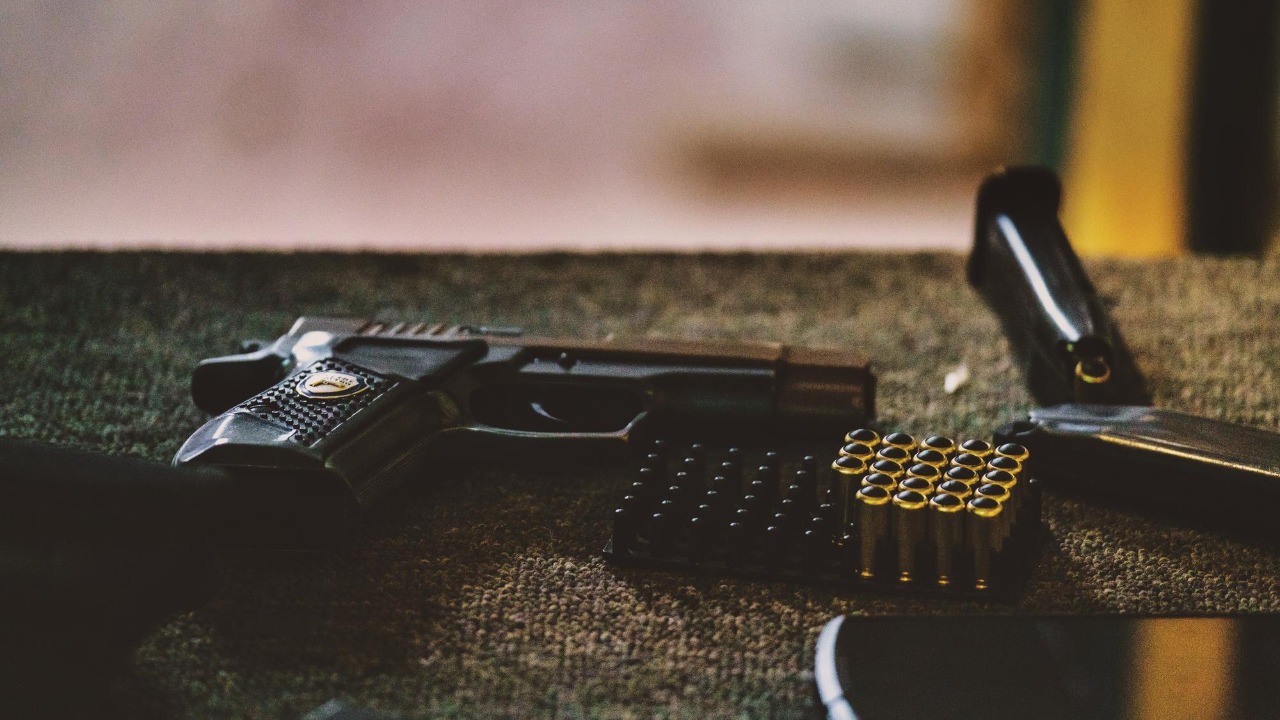
In a consumer landscape where many durable goods have surged in price, the second-hand gun counter remains one of the few places where performance can still outpace cost. Well made pistols and rifles that once anchored police contracts or filled big-box shelves now show up used at prices that undercut comparable new models, yet they deliver the same ballistics and often the same mechanical life span. Reporting on the resale space notes that Buying used does not mean settling for worn-out or obsolete designs, it can mean accessing proven platforms that simply aged out of the marketing cycle.
That gap between performance and price is especially visible in older duty pistols, hunting rifles and shotguns that were produced in large numbers. When a model is both durable and common, the used supply stays high enough that prices remain surprisingly low even as new guns from the same brands climb. Enthusiasts who understand this dynamic often treat the used rack as a way to step into higher quality tiers than their budget would allow if they shopped only new, and they do it without giving up reliability or support from major manufacturers that still back their legacy products.
Why some guns stay cheap while others turn into investments
Not every firearm behaves the same once it leaves the showroom, and the split between budget workhorses and long term “investments” is stark. Community discussions of resale trends point out that More costly firearms in general tend to lose a smaller percentage of their value, while very cheap guns can crater on the used market because buyers are wary of quality and parts support. If you buy a Hipoi level pistol, as one commenter framed it, you may save at the register but struggle to recoup anything later when you try to sell or trade.
By contrast, brands with strong reputations and long production runs often see their products hold value or even appreciate, especially when certain variants gain historical significance. A detailed look at Smith And Wesson firearms notes that, due to their reputation and quality, Smith & Wesson products tend to retain value and certain models with historical significance can appreciate significantly. For buyers who care more about affordable function than future collectability, the sweet spot lies in guns that are respected and well supported, but not rare or hyped enough to attract speculative pricing.
Ruger as a case study in affordable confidence
Ruger sits squarely in that sweet spot, with a catalog full of rugged, mainstream designs that inspire confidence without commanding collector premiums. On the used market, I often see Ruger pistols and rifles priced within reach of first time buyers, yet they carry reputations for durability that rival more expensive brands. The company’s broad lineup of rimfire rifles, centerfire bolt guns and polymer pistols means there is a steady flow of trade-ins, which helps keep prices grounded even as new models roll out on the official Ruger site.
Enthusiast commentary reinforces this perception, with one discussion noting that, Furthermore, one specific brand that comes to mind is Ruger because people will tend to buy used Rugers with confidence. The reasoning is straightforward: even if a particular model is discontinued, the company’s long history and parts ecosystem make it unlikely that an owner will be left with an unsupported orphan. That combination of trust and availability keeps many Ruger products in the “affordable but not disposable” lane, where used buyers can stretch their dollars without gambling on obscure brands.
Smith & Wesson’s overlooked semi-auto bargains
Smith & Wesson is often associated with iconic revolvers and modern polymer pistols, but its older metal framed semi autos are some of the most underappreciated values in the used case. A detailed guide to these pistols notes that Prices on the used market for the so called 1st, 2nd and 3rd generation Smith and Wesson pistols are still affordable, even though they are usually tough, reliable and excellent shooters. These guns once served in police holsters across the country, which means they were built for duty use and produced in large numbers, a perfect recipe for today’s bargain hunter.
At the same time, the modern Smith & Wesson catalog continues to emphasize accessible pricing on new polymer pistols, which indirectly supports the used market by keeping brand visibility high and parts flowing. The official Smith site showcases everything from compact carry guns to full size duty models, and as owners trade up to the latest generation, earlier versions filter into pawn shops and gun stores at discounted prices. For buyers who prioritize function over fashion, those older semi autos offer a way to get into a proven defensive handgun without paying current flagship prices.
Glock and the balance between durability and affordability
Glock occupies a different niche, where used prices are often higher in absolute terms but still represent solid value when measured against longevity. Glocks are known for their durability and ease of use, a fact that many users appreciate when making purchase decisions, and that same reputation helps used examples still command impressive prices depending on condition. A closer look at Glocks underscores how their simple design and parts commonality make even older generations viable choices for defensive use.
From an affordability standpoint, that means a used Glock may not be “cheap” in the way some surplus pistols are, but it can still be cost effective over the long term. The combination of low maintenance needs, widely available magazines and holsters, and a massive aftermarket keeps total ownership costs down. For buyers who want a pistol that will run for tens of thousands of rounds with minimal fuss, paying a bit more up front for a used Glock can still be a better value than chasing the lowest possible sticker on a lesser known brand that lacks the same track record.
Sub-$500 workhorses and the brands that dominate them
Below the premium tier, there is a thriving ecosystem of new and used guns clustered around the 500 dollar mark, where value conscious buyers do most of their shopping. Retail listings that group firearms under 500 highlight how many mainstream names compete in this space, including Brands like Ruger, Taurus, Smith & Wesson, Canik, Bersa, Savage, Mossberg, Glock, Rossi and Walther. When these guns are traded in, they often drop well below that threshold, creating a deep bench of used options for budget minded shooters.
Because these manufacturers operate at scale, they can offer solid quality control and warranty support even on their entry level lines, which in turn keeps used buyers comfortable with picking up a pre owned example. A lightly used compact from a major brand in this category might sell for the price of a new off brand pistol, yet it brings better parts availability and a stronger reputation. For someone building a first collection or equipping a household on a tight budget, these sub 500 workhorses, especially when bought used, represent some of the most practical value in the market.
Legacy value and the Smith & Wesson reputation effect
Beyond individual models, brand reputation itself can shape how affordable a used gun feels, and Smith & Wesson is a prime example of that effect. A focused analysis of Due to their ( Smith And Wesson ) reputation and quality explains that Smith & Wesson firearms tend to retain their value, and some, particularly those with historical significance, can appreciate significantly. That does not mean every Smith & Wesson is expensive, but it does mean that buyers can treat many of the company’s products as stable stores of value rather than disposable tools.
For someone shopping the used case, this reputation can be a form of insurance. A reasonably priced Smith & Wesson revolver or semi auto might cost a bit more than a no name alternative, but the odds are higher that it will hold its price if circumstances change and it needs to be sold. That stability is part of what keeps certain models affordable in real terms: even if the initial outlay is modestly higher, the long term cost of ownership, once resale is factored in, can be surprisingly low compared with cheaper guns that lose nearly all of their value once they leave the store.
Single stack 9 mm pistols and the reliability filter
Compact single stack 9 mm pistols have become a staple of concealed carry, and the used market reflects that popularity with a steady supply of trade ins. Reliability is a huge key in considering a handgun, and guidance on this segment emphasizes asking, Who makes the gun, and whether it comes from Major companies like Glock, SIG, S&W, FN or CZ. When a pistol comes from one of these major players, buyers are more willing to accept minor cosmetic wear in exchange for a lower price, because they trust the underlying design.
That reliability filter helps explain why some single stack models remain relatively affordable even as demand for concealed carry guns grows. When a manufacturer sells large volumes of a particular pistol, incremental improvements and new generations eventually push earlier versions into the used channel. For shoppers who do not need the latest slide serration pattern or optics cut, those earlier single stacks can be picked up at meaningful discounts while still delivering the reliability and shootability that made them popular in the first place.
When “value holding” pistols still feel affordable
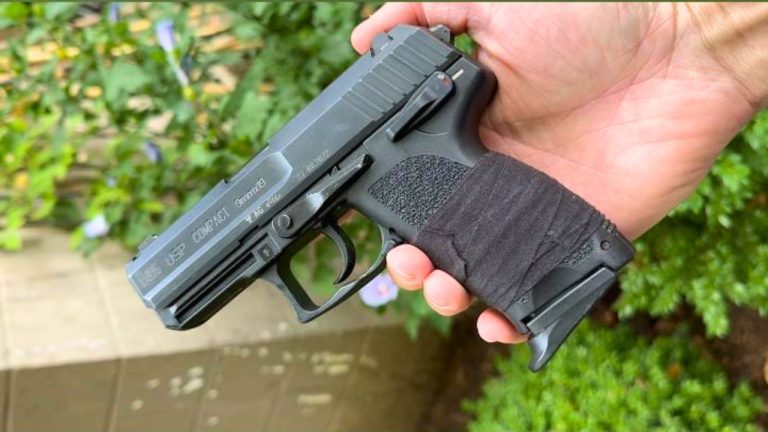
At the upper end of the handgun spectrum, there is a class of pistols that enthusiasts explicitly treat as value holding tools, almost like mechanical savings accounts. A curated list of such models, framed as a THE QUICK LIST with an Editor Pick, includes examples like the HK Mark 23 and the Beretta 92FS Inox, and notes that some of these pistols can still be found around 759 dollars at certain retailers. That kind of pricing, highlighted in a breakdown of Editor level choices, shows how even premium guns can remain within reach for buyers who view them as long term assets rather than short term expenses.
On the used market, these value holding pistols often sell for only slightly less than their new counterparts, but that small discount can still matter for a patient shopper. Because the underlying demand is strong and the supply is relatively limited, owners who buy used can sometimes enjoy years of use and then sell with minimal loss, effectively “renting” the gun for the cost of transfer fees and ammunition. For shooters who want to experience higher end engineering without locking up too much capital, this segment offers a different kind of affordability, one rooted in predictable resale rather than rock bottom entry prices.

Leo’s been tracking game and tuning gear since he could stand upright. He’s sharp, driven, and knows how to keep things running when conditions turn.