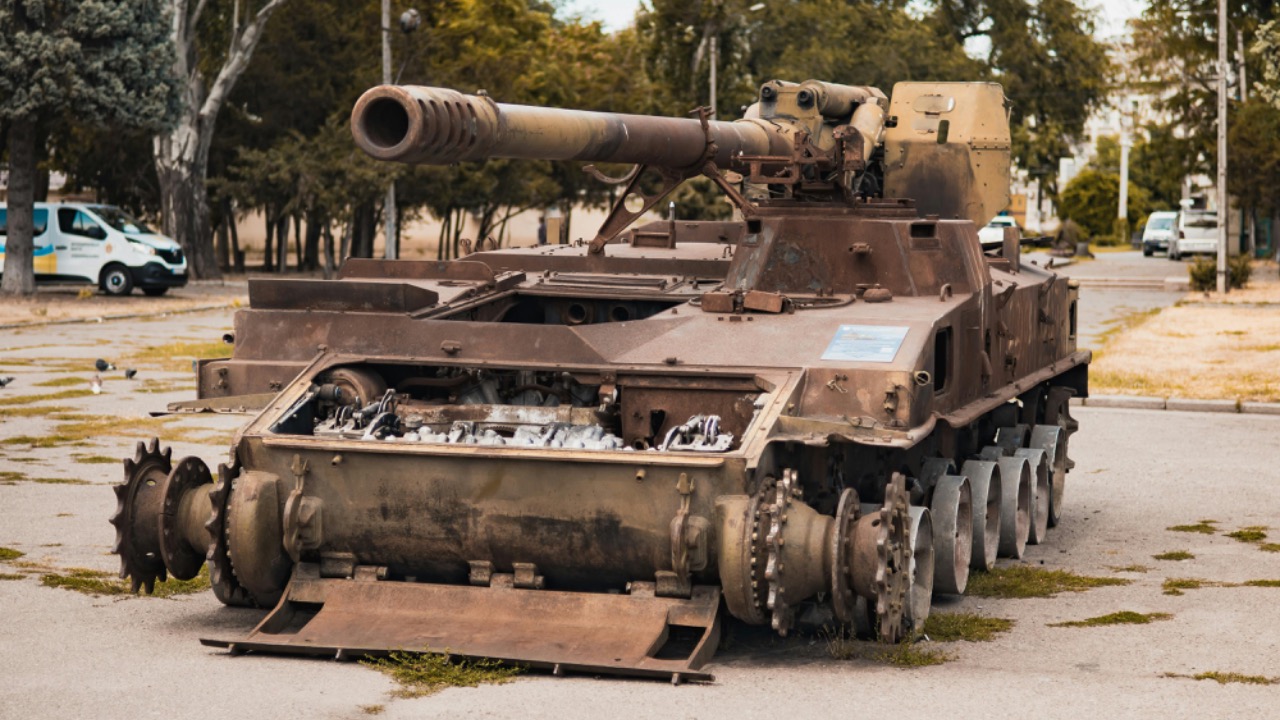
Abandoned military hardware that still costs taxpayers millions
Across the United States and far beyond its borders, abandoned military hardware continues to drain public money long after the shooting stops. From scrapped vehicles and mothballed weapons programs to empty missile fields and derelict depots, I see a pattern of expensive assets that no longer serve their intended mission but still generate bills for storage, security, cleanup, or replacement. The headline cost often arrives with fanfare, yet the quieter, longer tail of waste is where taxpayers keep paying.
Tracking these projects over time, the same themes recur: ambitious plans that get canceled midstream, rushed withdrawals that leave gear in place, and facilities that outlive their strategic purpose but not their maintenance costs. The result is a shadow budget of sunk costs and ongoing obligations, where billions of dollars in equipment and infrastructure sit idle, scrapped, or in the hands of other actors while the public ledger keeps growing.
How abandoned hardware became a quiet line item
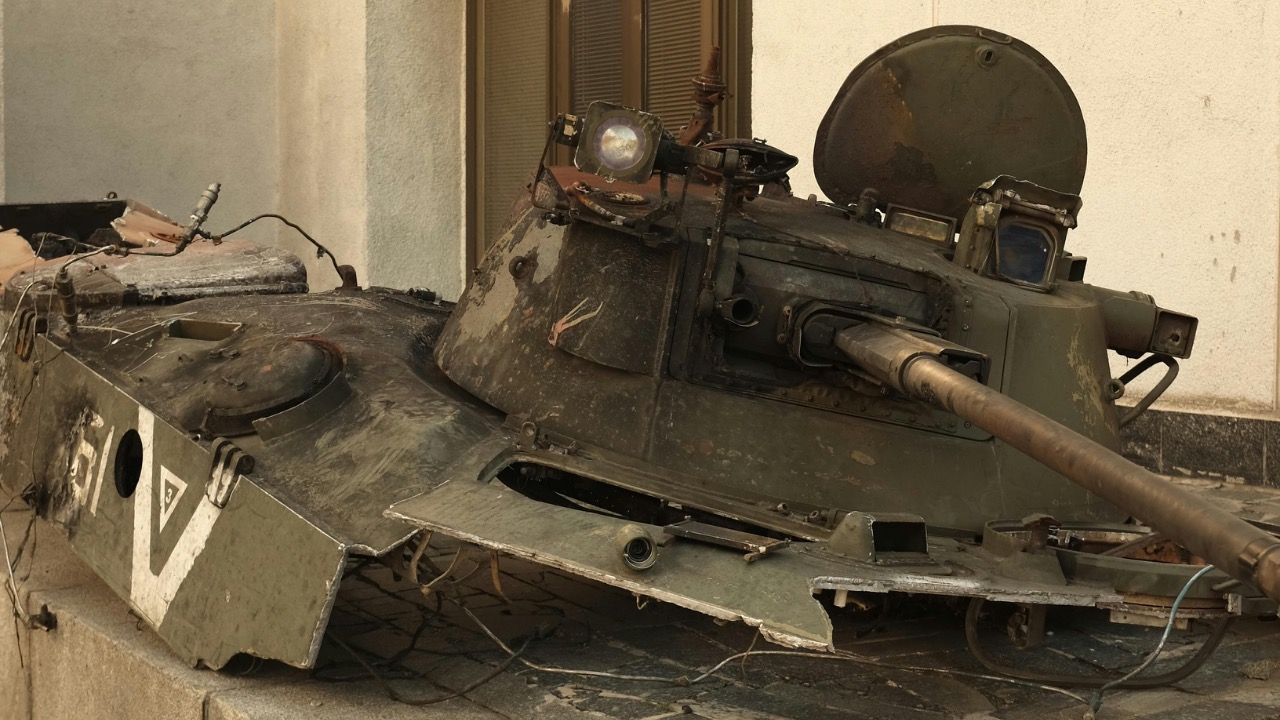
I start with a basic reality: modern militaries buy more than they can reasonably sustain, and they do it under intense political and strategic pressure. The United States in particular has funded wave after wave of new systems, only to walk away from many of them before they deliver operational value. An internal $32 billion figure from the Army shows how large this problem can get when the Military launches weapons programs that are later abandoned. That $32 billion, covering efforts since 95, represents technology that never fully entered service, yet still required years of research, testing, and contractor support.
Those canceled projects sit alongside physical stockpiles that are no longer needed but not easily disposed of. I see warehouses of spare parts, fleets of aging vehicles, and specialized equipment designed for conflicts that have ended or strategies that have shifted. The sunk investment does not vanish when a program is cut; instead, it morphs into storage costs, write-offs, and in some cases environmental liabilities. The Washington Post reporting on the Army’s own accounting of abandoned weapons programs shows how the institution has had to confront these numbers, even as new initiatives continue to move forward on separate budget lines.
Afghanistan’s legacy of abandoned equipment
Nowhere has the cost of abandoned hardware been more politically charged than in Afghanistan. As the United States withdrew, large quantities of equipment that had been supplied to Afghan forces were left in the country, and some of it ended up in the hands of The Taliban. A Republican analysis of the withdrawal argued that the Biden Administration left billions of American taxpayer dollars in the hands of The Taliban by walking away from gear that U.S. forces had supplied to Afghan units, a claim rooted in detailed inventories of vehicles, weapons, and aircraft that were no longer under American control, as laid out in The Facts section of an Aug briefing on how U.S. supplied Afghan forces with equipment, which is summarized in Two Years Later.
A separate U.S. government report, described in an Apr analysis, put a specific number on what remained in the country. According to that assessment, the United States left behind about 7 billion dollars in military equipment that had been provided to Afghan security forces, including aircraft, air to ground munitions, military vehicles, weapons, communications gear, and other materials, all cataloged in the Afghan equipment report. I see a double cost here: taxpayers funded the original purchase and shipment of this gear, then bore the strategic and security consequences when that same hardware became part of a new power structure inside Afghanistan.
Scrapped instead of sold: the Humvee example
Even when the United States brings equipment home, the story often ends in a scrapyard rather than a sale that could recoup some value. Investigators who looked at surplus Humvees found that the Defense Logistics Agency, or DLA, frequently chose to shred vehicles instead of auctioning them, despite strong demand from domestic buyers. When POGO pressed the Inspector General for clarity on this practice, the office pointed back to the main DLA public affairs team, and the watchdog’s analysis suggested that selling rather than scrapping surplus Humvees could have saved taxpayers over a billion dollars, as detailed in the investigation that begins with the phrase When POGO.
From my perspective, this is one of the clearest examples of how policy choices turn aging hardware into pure waste. The vehicles in question had already been paid for, deployed, and brought back. Their tactical value to front line units had diminished, but their resale value on the civilian market remained real. By directing that they be mutilated to prevent reuse, officials effectively converted tangible assets into scrap metal at a steep discount. The Inspector General’s involvement and the role of DLA show that this was not a matter of simple oversight; it reflected a deliberate approach to surplus that prioritized risk avoidance over fiscal return.
Scrapping billions in Afghanistan instead of shipping home
During the long drawdown from Afghanistan, U.S. planners faced a different but related choice: whether to pay to ship heavy equipment home or destroy it in place. In one of the largest retrograde operations in modern military history, U.S. forces decided to scrap a vast amount of gear rather than bear the logistical cost of removal. Reporting on that effort described how the U.S. Military Scraps $7 Billion Worth of Equipment in Afghanistan, a figure that captured the scale of vehicles, armored trucks, and other hardware cut up for scrap as part of what officials called the largest retrograde mission in history, as detailed in the Military Scraps coverage.
From a narrow operational standpoint, I understand the argument that shipping every last truck or armored vehicle back to the United States would have been prohibitively expensive and risky. Yet the decision to treat 7 billion dollars in hardware as disposable scrap still represents a massive transfer of value. Taxpayers funded the original procurement, then effectively paid again in the form of foregone resale or reuse. The Afghanistan environment, with its security challenges and limited infrastructure, made removal harder, but the choice to cut up so much equipment rather than explore alternative uses or transfers shows how quickly wartime assets can become peacetime liabilities.
Weapons programs that never made it to the field
Beyond visible equipment in war zones, I keep coming back to the quieter story of weapons programs that are terminated before they ever become standard gear. The Army’s own accounting that the Military has spent $32 billion since 95 on abandoned weapons programs, as reported by The Washington Post, reveals how much money can vanish into prototypes, testbeds, and partial development. These are not rusting tanks or derelict helicopters that the public can see; they are lines in budget documents that represent years of engineering work and contractor billing that never culminated in a fielded system, as detailed in the Army report.
These cancellations often stem from shifting strategic priorities, technological hurdles, or budget fights. Yet from a taxpayer perspective, the effect is the same as walking away from a half built factory. The intellectual property may live on in future designs, but the specific programs are written off. I see this as a form of abandoned hardware in its own right: not physical hulks on a tarmac, but ghost systems in the acquisition pipeline that consumed real money. When critics talk about waste in defense spending, the $32 billion figure since 95 on abandoned programs is one of the clearest numerical anchors for that argument.
From Black Hawks to spare parts: the hidden cost of storage and loss
Even equipment that remains in U.S. hands can impose ongoing costs through storage, maintenance, and loss. In Afghanistan, Congressman Jim Banks, a veteran, publicly lamented that The Taliban now has more Black Hawk helicopters than 85% of the countries in the world, a stark way of expressing how sophisticated aircraft ended up under the control of a hostile and oppressive regime after the U.S. departure, as reported in a Sep breakdown of what was left behind for The Taliban, including the reference that The Taliban now has more Black Hawk helicopters than 85% of other nations, captured in Taliban now has. That statement underscores the strategic cost of leaving advanced platforms in place, but it also hints at the expense of maintaining similar fleets back home.
Inside the United States, the Army has struggled with stockpiles of spare parts that are not properly stored or tracked. One investigation found that $1.3 billion in Army spare parts were in critical shape, with She reporting on how the military had allowed essential components to deteriorate in warehouses even as units in the field needed replacements, drawing on her experience embedding with the National Guard during a hurricane and covering Guantanamo Bay le to understand the operational impact, as detailed in the Army spare parts report. From my vantage point, that kind of mismanagement turns warehouses into graveyards of value, where parts purchased with taxpayer money degrade into unusable stock, forcing new orders and compounding the original cost.
Abandoned bases and the environmental clean-up tab
Hardware is not the only thing that lingers. Entire installations can become stranded assets once their military mission ends. The Savanna Army Depot near the city of Savanna in Illinois, for example, covers more than 13,000 acres along the Mississippi and now stands as one of the world’s most expensive abandoned military bases, with large swaths of land and infrastructure that require ongoing oversight, as described in a Jan feature that notes how Savanna Army Depot, Savanna, USA, Spanning more than 13,000 acres on the Mississippi, has become a symbol of costly abandonment, captured in the Savanna Army Depot profile. I see in places like this a physical reminder that bases are not simple to close; they come with environmental legacies and redevelopment challenges.
To address the contamination and structural issues at such sites, Congress has had to allocate dedicated funding. A recent defense appropriations overview explained that the enacted bill adds $520.7 million to the $1.1 billion requested for DOD’s Environmental Restoration accounts, which support cleanup at active military installations and formerly used defense sites, including abandoned bases and test ranges, as detailed in the Environmental Restoration summary. That $520.7 m increase shows how environmental liabilities from past operations keep generating new bills. I view this as another form of abandoned hardware cost: the weapons and training that once justified these sites are gone, but the pollution and infrastructure remain on the public balance sheet.
The Mickelsen Safeguard Complex and the cost of strategic whiplash
Some of the most striking abandoned facilities were built for missions that faded almost as soon as they began. The Stanley R. Mickelsen Safeguard Complex, often shortened to the Mickelsen Safeguard Complex or SRMSC, was a cluster of military facilities near Nekoma in North Dakota that formed part of the United States Army’s Safeguard anti ballistic missile program, as described in detail in the Mickelsen Safeguard Complex entry. The site featured massive radar structures and missile silos, all built at great expense to defend against a Soviet nuclear strike, yet it was operational for only a very short period before being shut down.
The broader Safeguard Program itself illustrates how quickly strategic calculations can change. One account notes that The Montana site was abandoned with the main radar partially completed, while the remaining base in North Dakota, the Stanley R. Mickels facility, became the sole operational node before it too was closed, leaving behind high tech infrastructure with no active mission, as summarized in the Safeguard Program overview. I see in this history a form of strategic whiplash: policymakers committed to a cutting edge missile defense system, then reversed course, leaving behind concrete pyramids and buried silos that still require monitoring, security, and in some cases environmental management, all long after their deterrent value disappeared.

Leo’s been tracking game and tuning gear since he could stand upright. He’s sharp, driven, and knows how to keep things running when conditions turn.