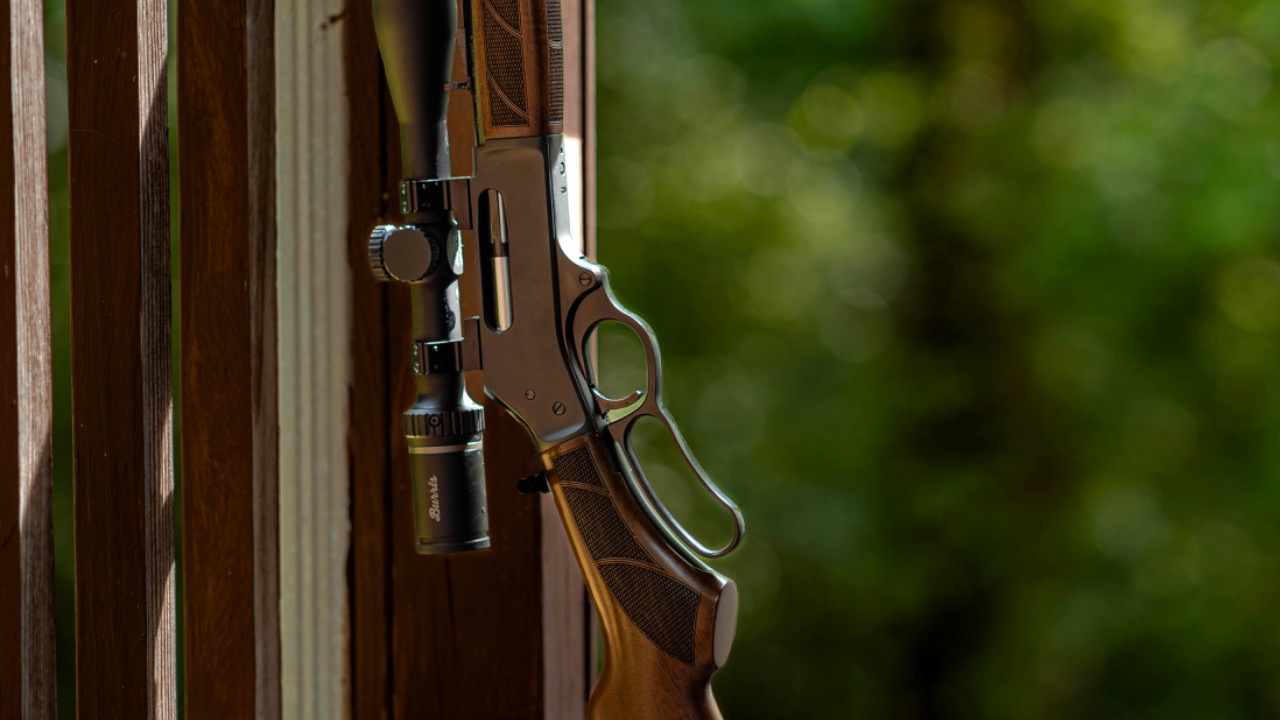
Why lever guns refuse to disappear from modern hunting camps
You’d think lever guns would have faded by now. Polymer stocks, dial-up turrets, detachable mags, and long-range cartridges dominate the conversation. Yet every fall, when trucks line the edge of deer camp and rifles start coming out of cases, there’s still a lever gun leaning against a tailgate. Not as a novelty. Not as a backup. As someone’s primary rifle.
That isn’t nostalgia talking. Lever actions keep showing up because they solve real hunting problems in ways modern rifles sometimes complicate. They carry well, mount fast, and handle like they were built for timber and tight cover. You don’t see them in every camp, but you see them in enough to know they’re not going anywhere.
They Carry Better Than Almost Anything Else

Spend a full day still-hunting ridges or slipping through river bottoms and you’ll understand why lever guns stick around. Most of them balance between your hands, not out front. That matters after miles of walking.
Rifles like the Marlin 336 or the Winchester Model 94 are slim, flat, and easy to cradle in one hand. They don’t snag brush the way oversized bolt handles or bulky detachable magazines can. When you’re climbing in and out of stands or easing through cedars, that compact profile earns its keep. By midseason, you start appreciating a rifle that feels like part of your arm instead of a tool you’re dragging around.
They Come to the Shoulder Fast
In thick woods, you rarely get minutes to prepare. You get seconds. Lever guns shine when a buck slips between trunks and offers a brief window.
The straight grip and low-profile receiver let you mount the rifle naturally. With something like the Henry Side Gate Lever Action, the motion from carry to sight picture feels fluid. You don’t have to break your cheek weld to cycle the action either. A quick lever stroke keeps you on target for a follow-up shot without lifting your head. In tight cover, that speed is practical, not theoretical. It’s why hunters who track or still-hunt rarely feel undergunned with one.
They Match the Ranges Most Deer Are Actually Killed
For all the talk about 500-yard capability, most whitetails fall well inside 200 yards. Lever cartridges were built for that window.
Rounds like .30-30 and .35 Remington hit hard in realistic hunting distances. Out of rifles such as the Marlin 1895 in .45-70, you get serious authority inside 150 yards. You’re not dialing turrets or checking ballistic apps. You’re holding steady and pressing the trigger. In the kind of country where shots are quick and angles tight, that practical range lines up with how deer hunting actually unfolds across much of North America.
They’re Safer and More Manageable Around Camp
Lever guns tend to feel less intimidating in close quarters, especially around newer hunters. You can clearly see the hammer position. You can run the action and visually confirm an empty chamber without removing a magazine.
That visibility matters in crowded camps. Rifles like the Winchester Model 1895 offer straightforward manual controls that even inexperienced hunters grasp quickly. The manual hammer gives you another layer of awareness. When you’re climbing into a stand before daylight or unloading at the truck after sunset, that tactile confirmation builds confidence for everyone nearby.
They Adapt to Modern Optics Without Losing Character
Today’s lever guns aren’t stuck in the past. Many models ship drilled and tapped for optics, and some come optics-ready from the factory.
You’ll see red dots and low-power variable scopes mounted on rifles like the Henry All-Weather Lever Action. That combination keeps the quick handling while adding clarity in low light. You’re not limited to buckhorn sights unless you want to be. The platform has adjusted without turning into something unrecognizable. It still shoulders like a lever gun, cycles like a lever gun, and carries like one.
They Thrive in Harsh Weather
Cold, snow, and rain expose weaknesses in complicated systems. Lever guns are mechanically straightforward. Fewer external controls and tight-fitting actions keep debris out.
In wet timber or late-season snow, stainless and coated models hold up well. The Marlin 1894 in modern finishes shrugs off conditions that would make you nervous with a finely tuned precision rifle. You’re not worrying about detachable magazines freezing up or tiny springs getting packed with ice. When weather turns ugly, a lever gun keeps doing what it’s always done.
They Connect Generations in a Way Few Rifles Can
You can’t ignore the history. Lever guns rode in scabbards, sat behind truck seats, and filled freezers long before most modern platforms existed. When you carry one, you’re stepping into that line whether you think about it or not.
A rifle like the Winchester Model 92 doesn’t feel outdated in camp. It feels familiar. That familiarity builds confidence. Hunters hand them down because they trust them. Sons and daughters learn on them because they fit smaller frames and point naturally. In a world chasing the next upgrade, there’s something steady about a rifle that’s already proven itself for more than a century.
Lever guns haven’t disappeared because they still make sense. They fit the terrain, the distances, and the rhythm of real hunts. As long as deer move through timber and hunters follow them on foot, there will be at least one lever action leaning against a tree at camp.

Asher was raised in the woods and on the water, and it shows. He’s logged more hours behind a rifle and under a heavy pack than most men twice his age.