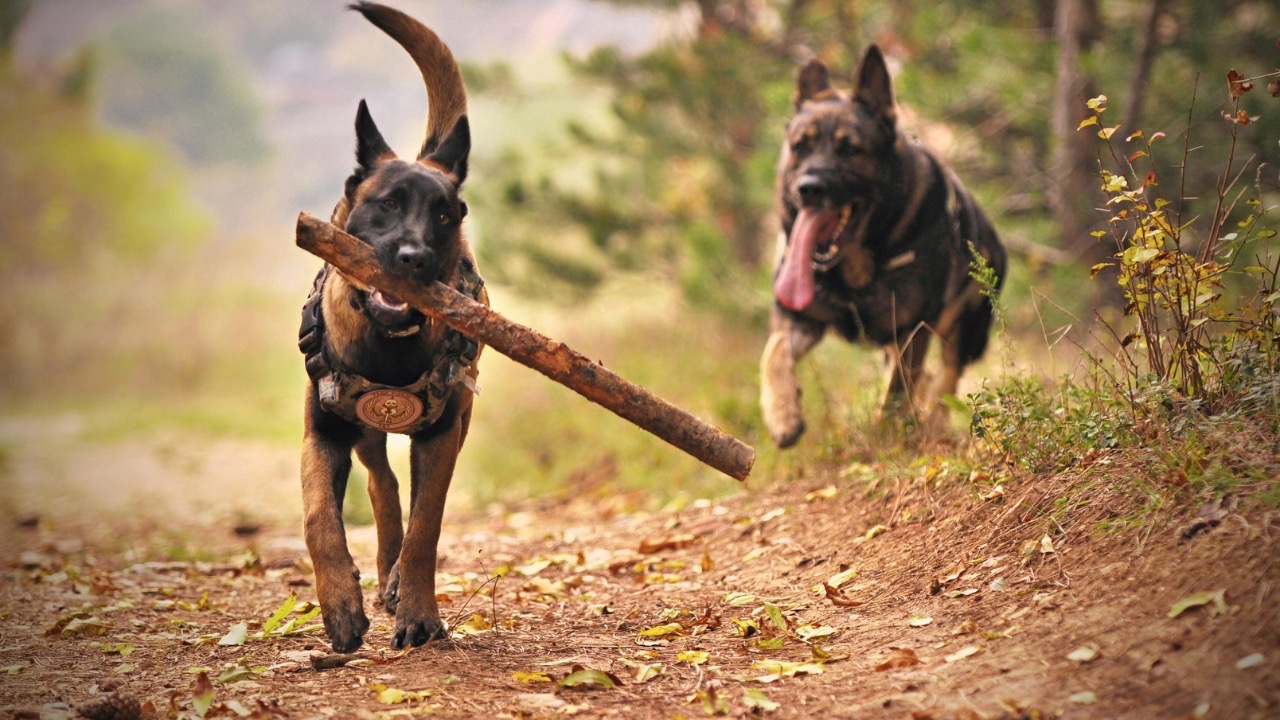
Female vs. male dogs: does gender really affect temperament?
Pet owners often talk about boy dogs and girl dogs as if they come with fixed personalities, from the “clingy male” to the “moody female.” Those stereotypes are powerful, yet research and frontline trainers suggest that sex is only one small part of a much bigger temperament puzzle. When people ask whether gender really affects how a dog behaves, the more accurate question is how sex, hormones, upbringing, and human expectations interact to shape each individual animal.
Scientific studies, breeder experience, and everyday stories from owners all point to the same broad pattern. There are some consistent tendencies between males and females, especially before spay or neuter, but those patterns are easily outweighed by breed, socialization, and training. For anyone choosing a puppy or planning a multi dog household, it is more useful to understand what sex can and cannot predict than to rely on any blanket rule about “better” males or females.
Why people stereotype male and female dogs
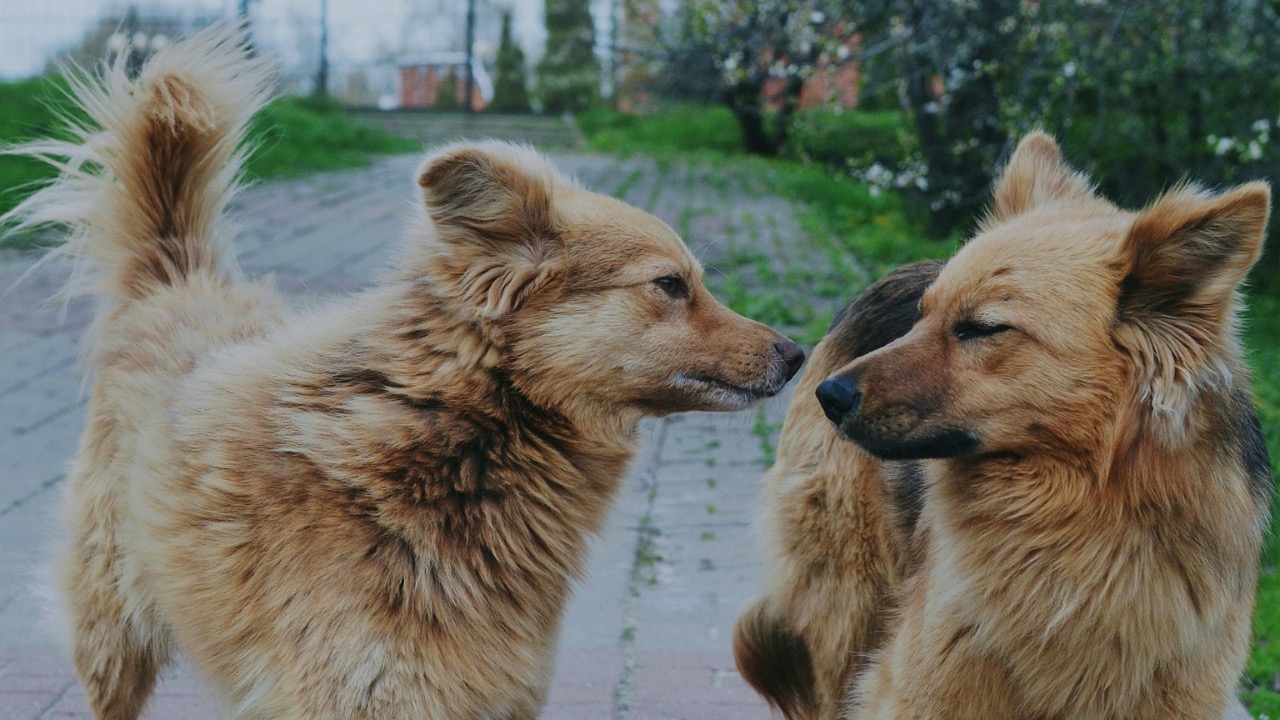
Human ideas about gender strongly color how owners read their dogs. Many people repeat lines such as “Female dogs are moodier; males are more playful” or “Females are more dog aggressive; males are more people focused,” then treat everyday quirks as proof that those sayings are true. Guidance from experts on whether people are gender stereotyping dogs explains that owners often project human expectations onto their pets, especially when they already think females should be nurturing or males should be bold.
These expectations can become self fulfilling. If a family assumes a male dog is naturally goofy and less sensitive, they may tolerate rougher play and less consistent training, which in turn encourages pushier behavior. When the same family expects a female to be delicate or “moodier,” they may interpret normal stress signals during her heat cycle as proof that females are unstable. Over time, those patterns of handling can exaggerate small biological differences and make sex based myths feel like hard evidence, even when the underlying science paints a more complicated picture.
What science actually says about sex and temperament
Large behavioral surveys and controlled studies show that sex has some influence on temperament, but not in the simple way many owners imagine. One research review on behavioral differences between reported that aggressiveness and boldness, described as a behavioral syndrome, were higher in males than females on average. At the same time, Females also showed more sociality toward people and more trainability in some contexts, although the results varied by breed, environment, and how the behavior was measured.
Overall, those findings support the idea of tendencies rather than rules. The same study stressed that differences between individual dogs within each sex were often larger than the average gap between males and females. That means a confident, stable female German Shepherd can easily be bolder than a shy male of the same breed, and a well socialized male Poodle may be gentler with children than a poorly socialized female. Researchers concluded that sex interacts with other factors such as genetics, early experience, and owner behavior, instead of acting as a simple switch that turns certain traits on or off.
Hormones, spay or neuter, and behavior
Hormones are one of the clearest ways biological sex can affect how a dog behaves. Testosterone in intact males increases roaming, marking, and some types of aggression, while estrogen and progesterone in intact females drive heat cycles, nesting, and maternal protectiveness. Pet nutrition and wellness guidance notes that these hormones do not just impact reproduction but also influence energy levels, appetite, and stress responses, which is why advice on differences between male often highlights hormonal swings alongside physical changes.
Spaying and neutering remove or sharply reduce those hormones, which can soften some sex linked behaviors but rarely erase temperament traits that are already well established. Veterinary guidance on intact male aggression notes that entire males can show more aggressive behaviours than their neutered and female counterparts, likely because of testosterone driven competition, and that neutering can reduce some of these tendencies as they mature. At the same time, a fearful or poorly socialized dog of either sex can remain reactive after surgery, which is why trainers caution owners not to treat spay or neuter as a cure all for behavior problems.
Common personality patterns in males
Across many breeds, owners and trainers often describe males as more outwardly affectionate, attention seeking, and playful. Comparative guides on male versus female highlight that Male dogs are often larger, more territorial, and may require consistent training for assertiveness, yet they are also portrayed as equally loving and loyal companions. Some trainers report that males can be more easily distracted during adolescence, especially when intact males are exposed to scents from females in heat or to competing males in busy environments.
Household surveys and owner anecdotes echo this picture. Discussions on training forums and communities such as differences between males frequently mention that male dogs feel more like clowns or perpetual teenagers, with some people saying their males needed more patience than a female dog. At the same time, temperament guides from behavior specialists point out that many of these traits can be shaped through structured play, impulse control exercises, and early socialization, which can turn that high energy, goofy male into a focused working partner or a calm family pet.
Typical traits seen in females
Female dogs are often described as more independent, more serious, and more focused on their immediate social group. Some breed and puppy selection advice explains that Female dogs are often smaller, may be perceived as more mature, and can form very strong bonds with one or two people. Owner guides that ask whether to get stress that What sex an owner chooses should come after thinking about breed, lifestyle, and the individual puppy, and that While every dog has their own unique personality, there are some common differences in how females manage social relationships and personal space.
Those patterns can show up in subtle ways. Some trainers report that females may be quicker to correct rude behavior from other dogs, especially around resources or during their heat cycle, which can be misread as general dog aggression. Observational studies, including the behavioral survey that found Females also displayed more sociality toward people in some contexts, suggest that female dogs are often highly tuned to human cues and can excel in focused tasks such as scent work or obedience. Yet the same independence that helps a female make good decisions on her own can look like stubbornness if an owner expects instant compliance without clear communication.
What large surveys and new studies reveal
Beyond individual anecdotes, large data sets are starting to map sex differences across thousands of dogs. One analysis of behavioral questionnaires reported that aggressiveness and boldness were higher in males, while Females also showed more sociality toward people and more trainability, although the effect sizes varied. That research on behavioral and perceptual emphasized that context matters, since the same dog can behave differently at home, in a park, or at a veterinary clinic.
More recent coverage of a new study on highlighted four of the biggest contrasts between males and females, reinforcing the idea that sex linked tendencies exist but do not define the whole dog. That report explained that You have probably heard a whole lot of conjecturing about which sex is more affectionate or easier to train, yet the data showed overlapping ranges for almost every trait. In other words, there may be a statistical tilt toward bolder males or more people oriented females, but any given dog can fall anywhere along that spectrum depending on genetics, upbringing, and daily handling.
How sex interacts with breed, training, and environment
Breed purpose and selection history can amplify or mute sex based tendencies. For example, working herding dogs such as Border Collies were selectively bred to respond quickly to human cues and to control livestock with intense focus, so both males and females from those lines often show high trainability and sensitivity. Breed focused guides explain that Border Collies are considered one of the most intelligent and athletic modern breeds, which means a bored dog of either sex can quickly invent its own, sometimes destructive, jobs.
Training style and environment then shape how those raw traits show up in daily life. Guidance from positive training advocates on differences between male notes that despite the obvious physical differences, behaviour ratings for females averaged 5.0 out of 10 and males a close 4.9, which suggests that overall suitability as pets is nearly identical. Trainers who compare male and female students in group classes often report that consistent, reward based methods erase most sex linked gaps in focus or responsiveness, while chaotic households and inconsistent rules can bring out the worst in both males and females.
Choosing sex for a first dog versus a second dog
For a first time owner, the choice between a male and a female often matters less than finding a stable, well socialized puppy from a responsible source. Adoption and puppy matching advice from sites that compare male and female typically encourage people to meet several candidates, since individual temperament, energy level, and history are stronger predictors of success than sex alone. Many trainers recommend focusing on how a puppy or adult dog reacts to handling, new environments, and gentle stressors, instead of assuming that a male or female label guarantees certain traits.
The calculus changes when a dog already lives in the home. Veterinary practices that counsel on adding a second dog frequently recommend opposite sex pairings for the safest household dynamics. One clinic explains that Before settling on a breed, families should think about the gender of the dog because For the happiest dogs and the safest household, opposite sex dogs almost always do best together, a point reinforced in guidance on adding a second. Other veterinarians and trainers echo that same sex pairs, especially two females of similar age, can be more prone to rivalry and serious fights, although careful management and good socialization can reduce those risks.
Training, socialization, and owner expectations
Whatever sex an owner chooses, training and socialization do most of the heavy lifting in shaping temperament. Instructional guides on bringing home a second dog warn that Same sex dogs may become rivals, and there is a greater chance of competition among the two, and suggest that if people want to play it safe, they should team their current dog with an opposite sex partner, advice that appears in tips on bringing home a. Yet those same resources stress that structured introductions, clear rules, and ongoing supervision matter just as much as the sex combination.
Owner expectations can either support or sabotage that process. Training platforms that compare how people experience male and female dogs report that Yes, there are definite differences between the sexes, but they also highlight that if males are generally more easygoing and playful, then the stereotype that females are more serious and independent often leans toward the female side only when owners reinforce those patterns, a point made in discussions on which gender is. When people approach each dog as an individual, set fair boundaries, and reward desired behavior, they usually find that sex becomes just one small detail in a much richer personality.
How sex influences aggression and protectiveness
Concerns about aggression and guarding often drive owners to ask whether a male or female will be safer around children or better at protecting the home. Some temperament guides note that Physical Differences Between Male and Female Dogs include higher average body size and strength in males, and Let readers know that larger males can do more damage if they bite. At the same time, resources on aggressive and protective explain that females can be especially protective during their heat cycle or after giving birth, and that both sexes can show strong territorial or resource guarding behaviours if they feel insecure.

Asher was raised in the woods and on the water, and it shows. He’s logged more hours behind a rifle and under a heavy pack than most men twice his age.