Lures that work once and never again
Every angler eventually runs into a lure that feels like a cheat code for exactly one fish. You throw it, get bit fast, and start believing you’ve found something special. Then you go back. Same water. Same season. Same lure. Nothing. The bite vanishes, and no amount of confidence can bring it back.
That’s not coincidence. Fish learn faster than most people give them credit for, especially in pressured water. Some lures work because they’re unfamiliar, not because they’re superior. Once fish see them enough times, the window closes. Below are specific lures that have earned reputations for working once, sometimes spectacularly, and then quietly losing their edge.
Huddleston Deluxe ROF 12
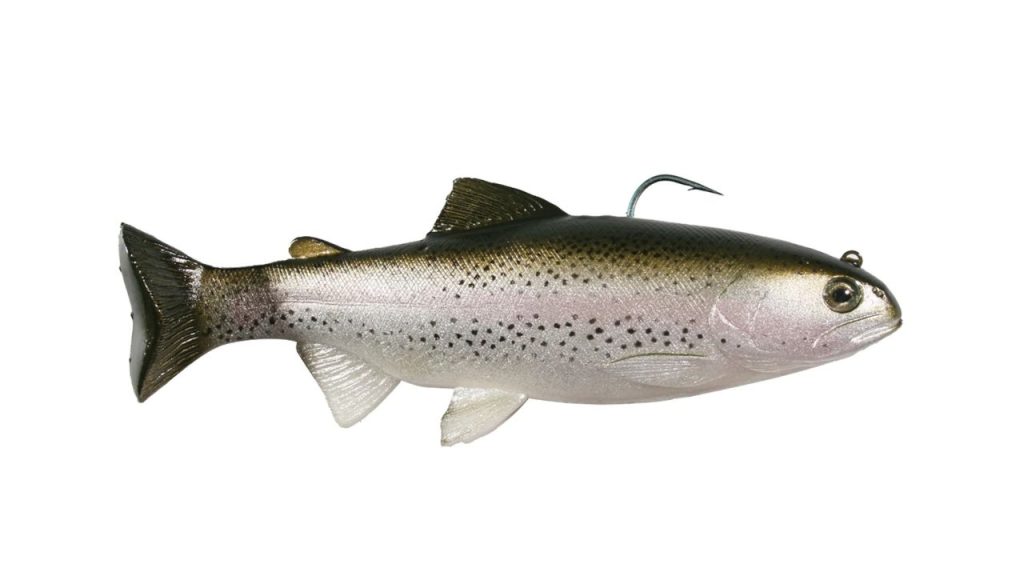
The first fish you catch on a Huddleston can ruin you. That slow, rolling swim looks exactly like a stocked trout, and when a big bass commits, it commits fully. It feels earned and calculated.
Then the follow bites stop. Big fish see this bait coming from a long way off, especially in clear water. After one or two encounters, they trail it without touching it. On lakes with trout plants, bass learn the profile fast. The Huddleston doesn’t stop looking real. It stops being surprising. Once that happens, you’re throwing a heavy, expensive follower-maker that eats casts instead of fish.
Booyah Buzzbait
A Booyah Buzzbait with a squeaky blade can light up a morning. The sound pulls fish from cover, and the strike usually comes fast and violent. For a short window, it feels unstoppable.
That window closes quickly. Fish associate that squeal with danger once they’ve been hooked or missed it a few times. Shallow fish are especially quick to adjust. You still hear it churning across the surface, but the blowups fade into swirls and half-hearted slaps. The bait hasn’t changed. The fish have. Once they stop fully committing, the buzzbait loses most of what made it effective.
Strike King Red Eye Shad
The Red Eye Shad has probably caught more early-season fish than almost any lipless crankbait. That tight vibration and loud presence work when water is cold and fish are aggressive.
The problem comes when everyone is throwing one. Fish learn that ripping sound fast. After a few weeks of pressure, they stop reacting. You can yo-yo it, burn it, or slow-roll it, and it still feels invisible. The bait didn’t fail because it’s bad. It failed because it became common. Once fish expect it, the reaction bite disappears and doesn’t come back easily.
Heddon Zara Spook
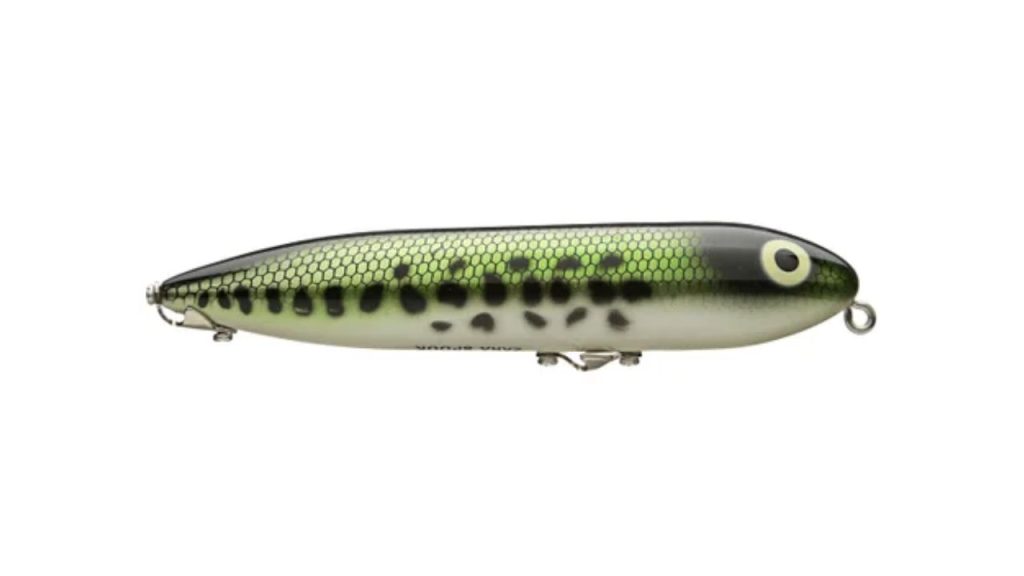
Few lures teach confidence like a Zara Spook. The walk-the-dog action feels interactive, and the first topwater blowup on it sticks with you.
Then fish start missing it. Short strikes turn into follows, and eventually nothing happens at all. Clear water exposes everything. Fish see the hooks, the line, and the rhythm. Once they’ve been burned, they hesitate. Topwater fishing relies on commitment, and once fish stop fully committing, the Spook loses its advantage. It still walks perfectly. Fish just don’t trust it anymore.
Gary Yamamoto Senko
The Senko might be the most copied soft plastic ever made. The first time you catch fish on one, it feels like you’ve unlocked fishing on easy mode.
Then pressured fish start biting the tail or dropping it instantly. They’ve felt that texture before. They know what happens next. The same slow fall that once sealed the deal now gives fish too much time to think. It still works in low-pressure water, but on popular lakes, the Senko becomes something fish recognize instead of something they fear missing.
Rapala Rattlin’ Rap
The Rattlin’ Rap calls fish from a distance. Early on, that sound can trigger bites when nothing else will.
Over time, the rattle becomes a warning. Fish track it without eating, or they slide out of the way entirely. Changing colors doesn’t fix the issue because the sound is the giveaway. Once fish associate that noise with getting hooked, the advantage disappears. Quiet presentations often start out-fishing it, especially in clear or pressured water where fish have heard it countless times.
Arbogast Jitterbug
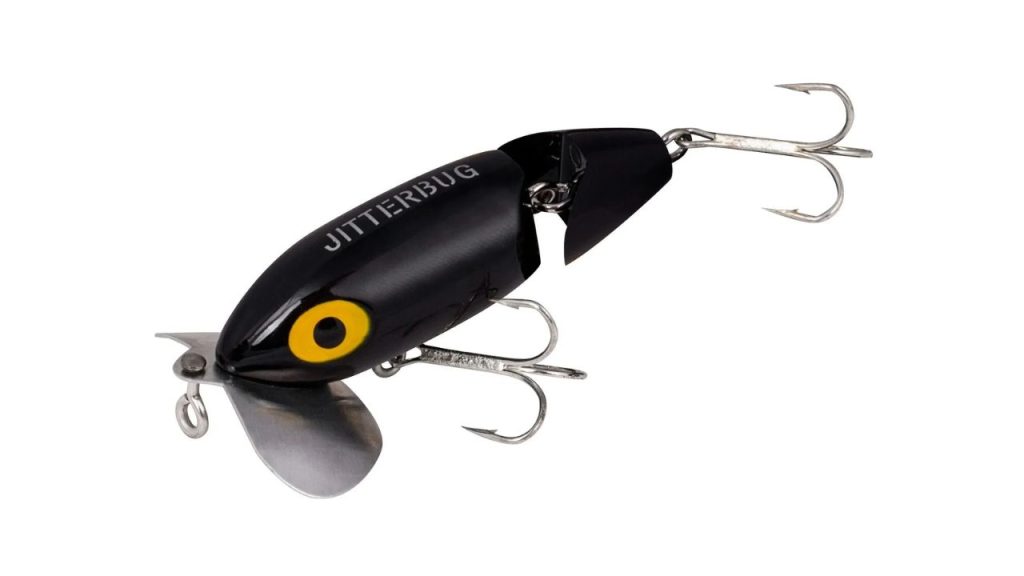
The Jitterbug works because it looks wrong. That wide wobble and steady plop feel old-school, and the first strike often proves fish don’t care how something looks.
After a few encounters, fish care a lot. The sound is unmistakable, and once they’ve seen it enough, they approach cautiously or ignore it altogether. The same bait that once pulled fish from the dark becomes easy to identify. In heavily fished areas, the Jitterbug’s novelty wears thin fast.
Berkley PowerBait MaxScent Flat Worm
MaxScent baits feel like a cheat at first. Fish hold on longer, and that extra second makes hooksets easier.
Eventually, the scent stops helping. Fish learn that the smell doesn’t mean safety. In some waters, they even spit it faster after a few encounters. Scent can’t overcome repetition. Once fish associate that flavor with danger, the advantage fades. Presentation still matters more than smell, and once fish are conditioned, scent becomes neutral instead of helpful.
War Eagle Spinnerbait
A War Eagle spinnerbait with large willow blades can dominate during a good bite. It flashes hard and covers water fast.
Once fish see it too often, they start short striking or refusing it entirely. The blades create a strong visual and vibration profile that fish learn quickly. Downsizing usually fixes the problem, which says everything. The spinnerbait didn’t stop working because fish left. It stopped working because they adjusted.
Z-Man Chatterbait Original
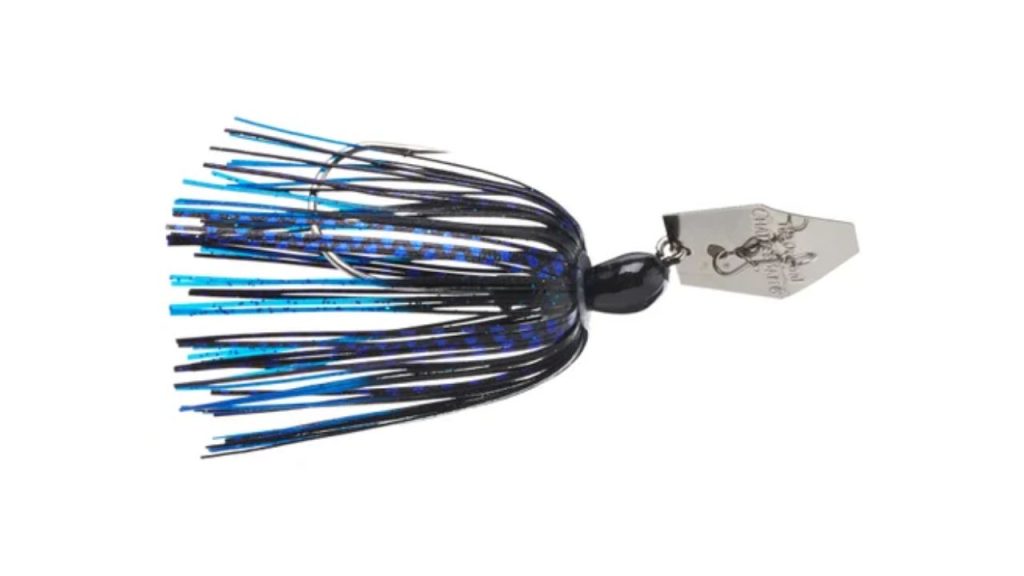
The Chatterbait exploded onto the scene for a reason. That vibration felt new, and fish crushed it early on.
Now, fish recognize it. They follow, nip, or ignore it altogether. The blade telegraphs its presence long before the bait arrives. Once fish have seen it enough times, the surprise factor is gone. It still has its moments, but the days of automatic bites are long over on pressured water.
Megabass Vision 110
The Vision 110 earned its reputation honestly. The action is precise, and when fish are set up right, it gets bit.
The issue is exposure. Fish see it constantly, especially in clear water. After a few encounters, they stop committing. They follow, flare, and turn away. Subtle changes help for a while, but once fish recognize the cadence, the advantage fades. It still looks right. Fish just know better.
Lunkerhunt Frog
Hollow-body frogs work best when fish haven’t seen many of them. The first blowup convinces you the pattern will last all summer.
It doesn’t. Fish miss it, then ignore it. They learn the silhouette and timing quickly, especially in heavy cover. Once fish stop fully attacking, hookups drop off fast. The frog still slides across the mats, but the bite that made it exciting disappears once fish figure out the trick.

Leo’s been tracking game and tuning gear since he could stand upright. He’s sharp, driven, and knows how to keep things running when conditions turn.