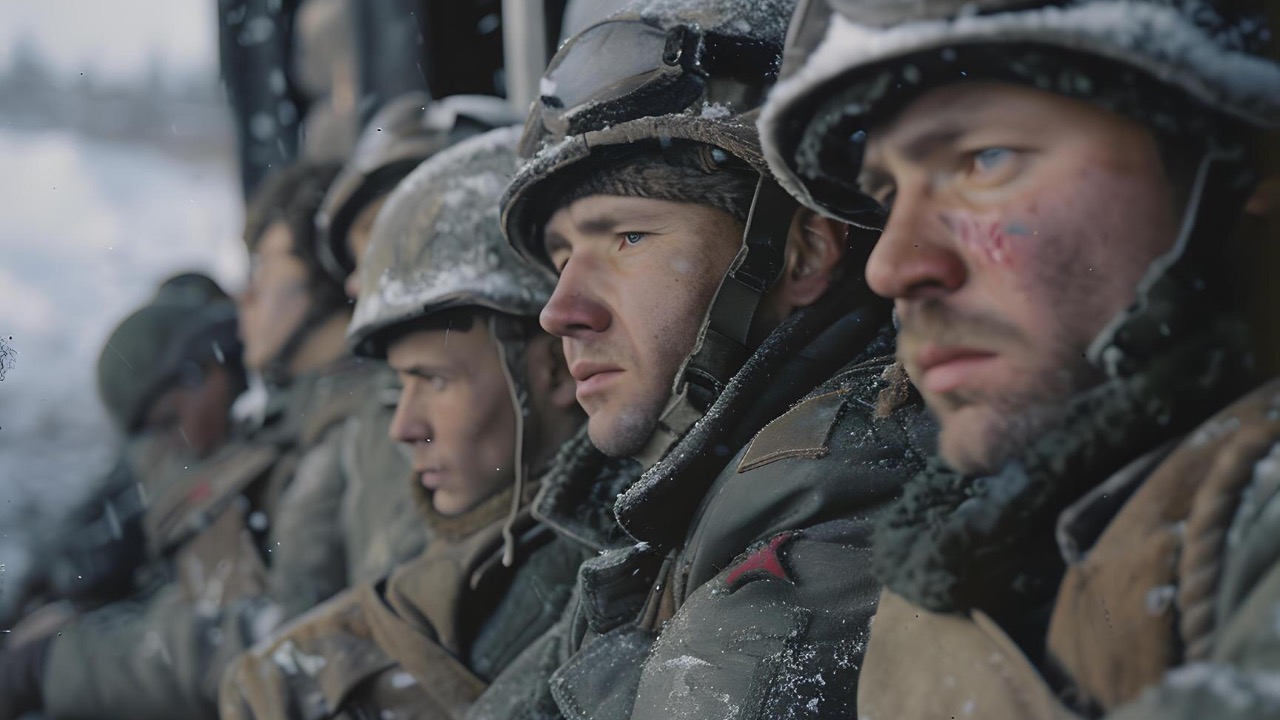
Reports indicate surrounded Russian troops in Kupiansk have begun surrendering
If you’ve followed the fighting in eastern Ukraine over the past two years, you know Kupiansk isn’t a household name by accident. It sits on rail lines and road networks that matter, and whoever controls it shapes how supplies and reinforcements move across northeastern Ukraine. Now, with reports indicating that some surrounded Russian troops near Kupiansk have begun surrendering, you’re looking at a moment that says more about logistics and morale than about dramatic battlefield charges.
Surrenders in modern warfare rarely happen in isolation. They tend to signal strained supply lines, deteriorating command control, or units cut off without realistic relief. Around Kupiansk, the story appears to center on encirclement pressures and the grinding reality of prolonged fighting in contested terrain.
Kupiansk’s Strategic Weight
Kupiansk, in Ukraine’s Kharkiv region, became a focal point early in the war due to its rail junction and proximity to the Oskil River. When Ukrainian forces retook much of the area in late 2022, it disrupted Russian supply routes that fed operations deeper into eastern Ukraine. Since then, the front around the city has shifted but never settled.
When you hear reports of troops being surrounded near Kupiansk, you should immediately think about supply corridors. In this sector, even a few kilometers can determine whether ammunition and food move freely or get stalled under artillery and drone observation. Control of roads and rail spurs here isn’t symbolic; it determines whether units fight or fold.
The Role of Encirclement
Encirclement doesn’t always mean a dramatic, sealed pocket. More often, it’s a tightening ring of fire control. If Ukrainian forces can dominate access roads with artillery, drones, and anti-armor teams, Russian units may find themselves effectively trapped without a formal siege line.
For a soldier on the ground, that changes the calculation quickly. Resupply becomes sporadic. Evacuation of wounded slows. Communications with higher command can degrade under electronic warfare. When these pressures stack up, surrender becomes less about ideology and more about survival. Reports of troops giving up in this context suggest the squeeze may be tactical rather than theatrical.
Logistics and Attrition
You can’t talk about possible surrenders without talking about logistics. Modern warfare burns through ammunition, fuel, and spare parts at a relentless pace. If a unit near Kupiansk is cut off from steady resupply, its combat power drops fast.
Artillery-heavy fighting in this region compounds the issue. Vehicles get disabled. Bridges take hits. Even short-range drone strikes can isolate small groups. Once mobility is reduced, isolated troops often face a choice: hold out with diminishing resources or lay down arms. If reports of surrender are accurate, they likely reflect sustained logistical strain rather than a sudden collapse.
Morale Under Pressure
Morale is a quiet factor until it isn’t. You can equip a unit well, but if it believes relief won’t come, cohesion starts to erode. In prolonged engagements around Kupiansk, both sides have rotated units repeatedly to manage exhaustion.
For surrounded troops, isolation amplifies doubt. Limited contact with higher command, constant drone presence overhead, and unbroken artillery pressure can wear down even disciplined formations. When surrenders occur in clusters, it often signals that confidence in reinforcement or breakout has faded. That doesn’t mean an entire front is collapsing, but it does tell you something about local conditions.
Information Warfare and Verification
You should also approach these reports with caution. In the Ukraine conflict, both sides use battlefield developments to shape narratives. Announcements of surrender can be accurate, exaggerated, or selectively presented to boost morale at home and abroad.
Independent verification is often slow, especially in contested areas like Kupiansk. Drone footage, prisoner exchanges, and third-party confirmations usually clarify the picture over time. Until then, you’re looking at a developing story shaped by fragmented evidence and strategic messaging.
What It Could Mean for the Front
If Russian troops are indeed surrendering after being surrounded near Kupiansk, the immediate effect may be localized. A few platoons or companies giving up won’t redraw the map overnight. But tactically, it can open space, relieve pressure on Ukrainian positions, and force Russian command to reassess deployments.
Operationally, repeated encirclements strain manpower and logistics. Replacing lost or captured personnel isn’t instant. You may see shifts in defensive posture or renewed attempts to secure supply routes. In a war defined by attrition, even limited surrenders can ripple outward, shaping decisions well beyond the tree lines and rail embankments around Kupiansk.

Asher was raised in the woods and on the water, and it shows. He’s logged more hours behind a rifle and under a heavy pack than most men twice his age.