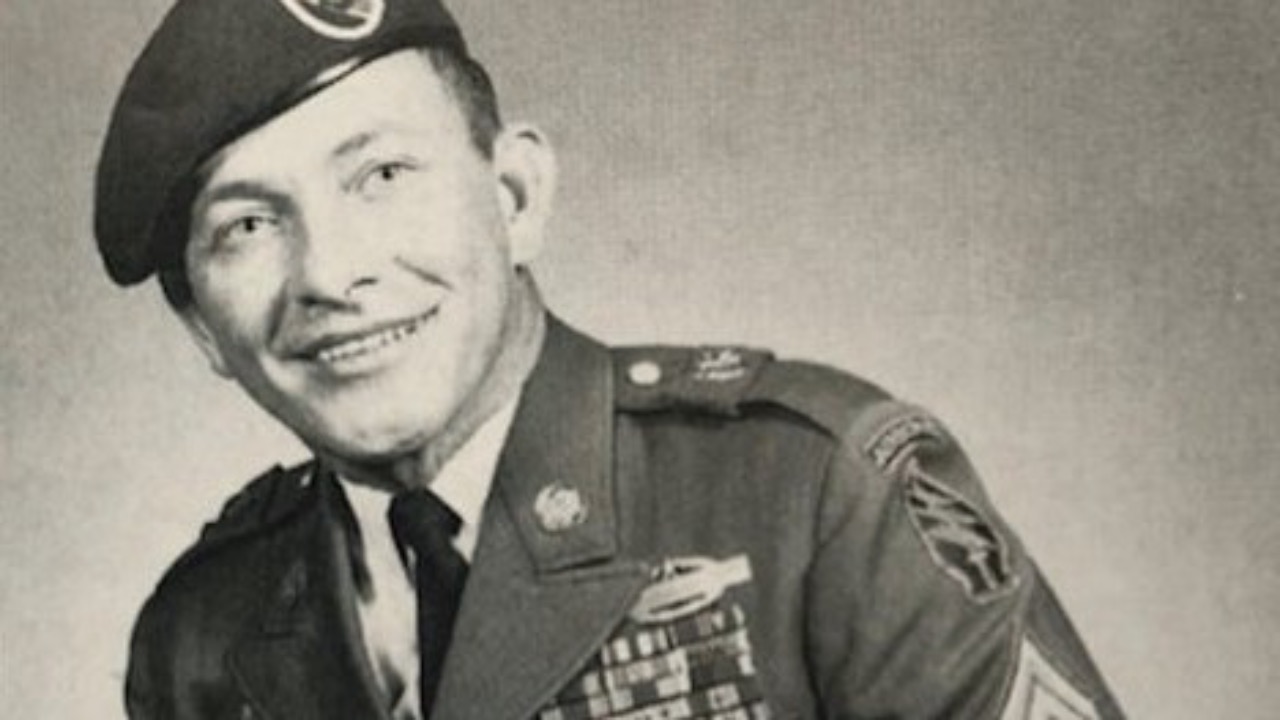
Billy Waugh: The Green Beret who survived a head wound and later worked alongside the CIA tracking terrorists
When you look at the long arc of American special operations, a few names keep surfacing. One of them is Billy Waugh. He wasn’t loud about his résumé, and he didn’t chase headlines. He built a career the hard way—by staying in the fight longer than most men could, in places most Americans couldn’t find on a map.
You don’t survive decades in the shadows by accident. Waugh served in the U.S. Army Special Forces, took a bullet to the head in Vietnam, came back to duty, and later worked with the Central Intelligence Agency tracking terrorists overseas. His story isn’t polished. It’s gritty, complicated, and very real.
A Paratrooper Before Special Forces
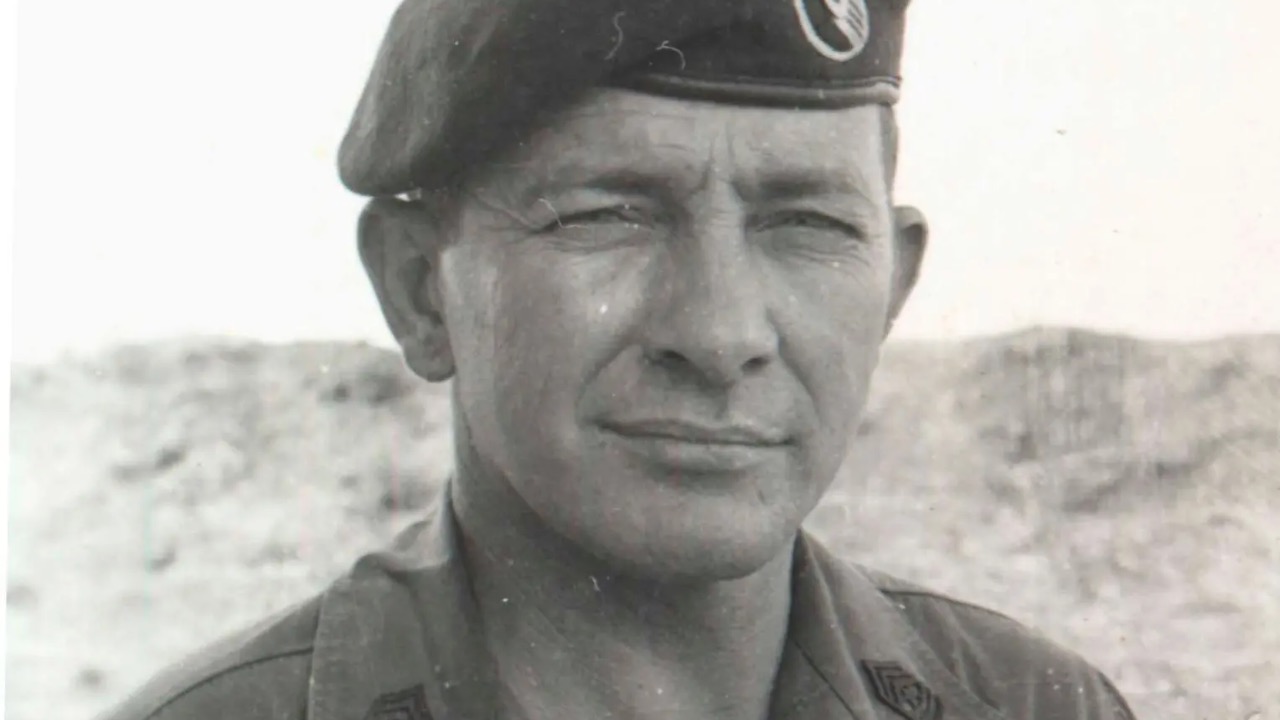
Before the Green Beret, Waugh cut his teeth as a paratrooper in the 1950s. You have to remember what that era looked like—post–World War II, early Cold War, a military shifting toward unconventional warfare. He joined the Army at 18 and volunteered for airborne duty, a path that already demanded more than most recruits were willing to give.
Airborne training built the base: discipline, physical endurance, and comfort with risk. Jumping out of aircraft in the dark teaches you quickly that fear can’t drive your decisions. Those early years shaped him long before he ever wore a Special Forces tab. By the time he moved toward Special Forces in the early 1960s, he had already proven he could handle pressure without drama.
Vietnam and the Bullet That Didn’t Stop Him
In 1968, during the Tet Offensive, Waugh was serving with Special Forces in Vietnam. He was shot in the head during a fierce engagement. The bullet entered near his forehead and exited out the back. Most men would have died where they fell.
He didn’t. He survived, recovered, and eventually returned to duty. That kind of wound changes you, whether you admit it or not. But by all accounts, Waugh came back determined to keep serving. You can talk about toughness all day, but surviving a head wound in combat and stepping back into the same world says more than any medal citation ever could.
MACV-SOG and Cross-Border Operations
Waugh also served with MACV-SOG, one of the most secretive units in the Vietnam War. These teams ran reconnaissance and direct-action missions across borders into Laos and Cambodia. You operated in small teams, deep behind enemy lines, with limited support and no margin for error.
Those missions demanded patience and restraint. You gathered intelligence, avoided detection, and moved through terrain that swallowed men whole. If something went wrong, extraction wasn’t guaranteed. Waugh built his reputation there—not through public praise, but through steady performance in situations that tested every skill a Special Forces soldier possessed.
Retiring from the Army—but Not the Fight
Waugh retired from the Army in the 1970s after more than two decades of service. For many, that would have been the end of a long military career. For him, it was a transition. He later began working in a paramilitary capacity with the CIA, taking the same unconventional skill set into a different arena.
This wasn’t desk work. He operated overseas, often under cover, in environments where the line between soldier and spy blurred. The work required patience, cultural awareness, and the ability to live quietly while gathering information. It’s a different kind of pressure—less visible than combat, but every bit as serious.
Tracking Extremists in Sudan
In the 1990s, Waugh was part of CIA efforts in Sudan, where he helped track emerging terrorist networks. At one point, he was involved in surveillance efforts targeting Osama bin Laden while bin Laden was living there.
That kind of mission demanded long hours of observation and absolute discretion. You don’t get recognition for that work. You get results—or you don’t. Waugh operated in an era when counterterrorism was still evolving, before 9/11 reshaped the intelligence community. He was already in the field, doing the slow, patient work of identifying threats most Americans hadn’t yet heard about.
Serving Into His Seventies
One of the most remarkable parts of Waugh’s story is how long he stayed operational. He reportedly deployed overseas on CIA-related missions into his seventies. That isn’t common. Field work at that age requires more than experience—it requires physical resilience and mental sharpness that few maintain.
You don’t last that long in the intelligence world by cutting corners. You adapt. You rely on tradecraft, awareness, and relationships built over decades. Waugh carried lessons from Vietnam into the counterterrorism era, bridging two very different wars with the same steady approach to risk.
A Career Largely Lived in the Shadows
Waugh eventually wrote about parts of his life, but much of his work remained classified or discreet by necessity. That’s the nature of special operations and intelligence work. The most significant missions often stay quiet.
When you look at his career, what stands out isn’t one dramatic moment. It’s the continuity. From airborne jumps in the 1950s to counterterrorism work decades later, he kept showing up. He didn’t reinvent himself for public approval. He stayed focused on the mission in front of him, whether that meant running recon in Southeast Asia or tracking extremists overseas.
In a world that often celebrates noise, Billy Waugh built his legacy in silence.

Asher was raised in the woods and on the water, and it shows. He’s logged more hours behind a rifle and under a heavy pack than most men twice his age.