130+ Sailors Lost in Deadliest U.S. Navy Ship Disaster Since World War II
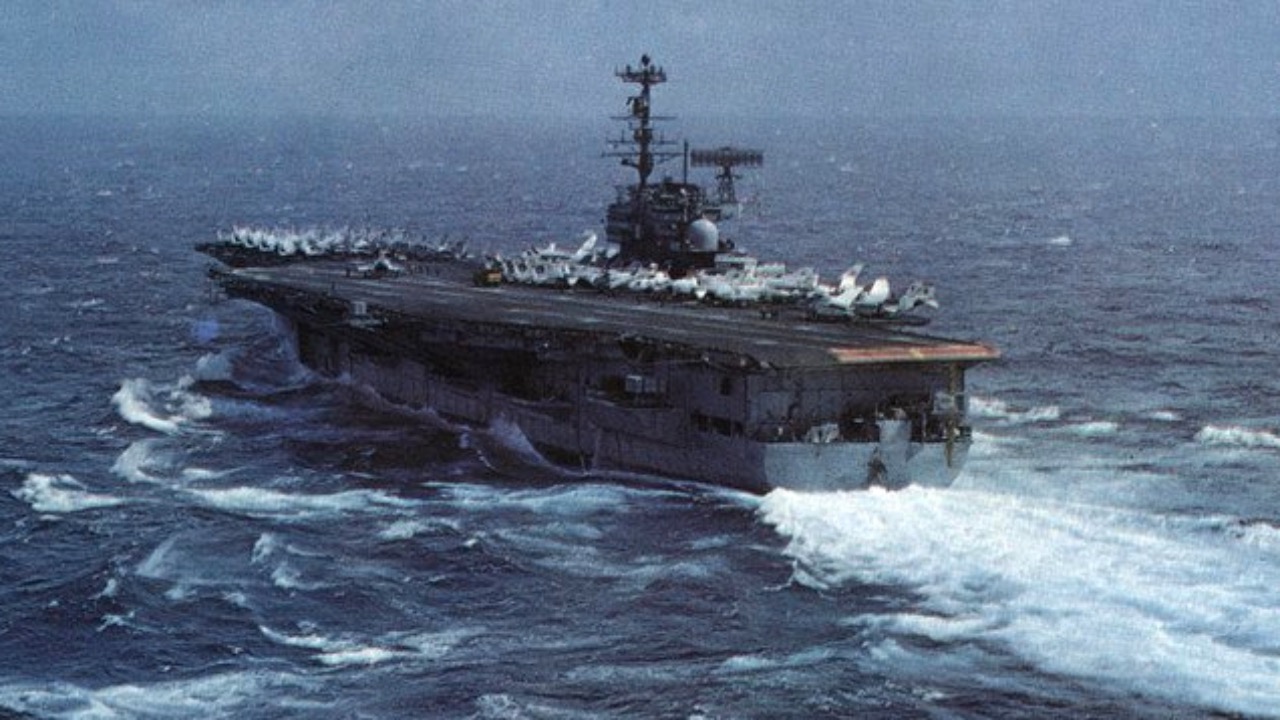
Naval accidents rarely grab headlines the way battles do, but some tragedies stay etched into military history because of their scale and human cost. One of the worst U.S. Navy disasters since World War II unfolded aboard the aircraft carrier USS Forrestal (CVA-59). The catastrophe claimed more than 130 sailors and injured hundreds more during a single day of chaos at sea.
The tragedy highlighted how a chain reaction of small failures can spiral into catastrophe on a crowded flight deck. The event remains one of the deadliest non-combat losses in modern naval history for the United States Navy. What happened aboard that carrier changed safety protocols for decades.
A Single Spark That Started Everything
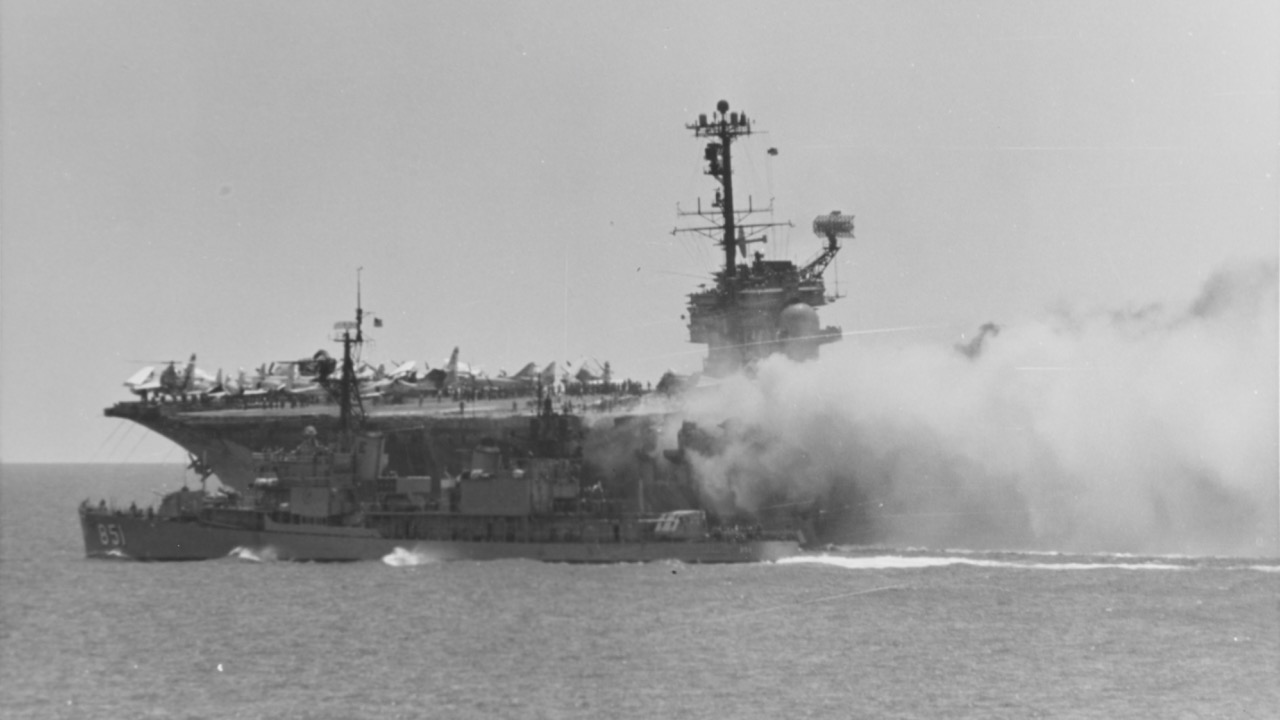
The disaster began on July 29, 1967, when electrical malfunction or accidental ignition (the exact initial trigger remains debated in historical records) caused a rocket on the flight deck to fire unexpectedly. The rocket struck another aircraft, setting off fuel explosions across parked planes loaded with ordnance. Crew members had little time to react as burning aviation fuel spread quickly.
You would have seen sailors fighting flames with handheld equipment, trying to push burning munitions overboard before they detonated. The confined flight deck environment turned rescue efforts into a brutal race against time. Communication systems were overwhelmed, and damage control teams struggled to contain explosions feeding on jet fuel and ammunition.
The Human Cost of the Firestorm
When the explosions finally slowed, the casualty count revealed the true horror of the event. More than 130 sailors lost their lives, and over 160 were injured. Many deaths were caused by secondary explosions rather than the initial fire, trapping crew members near aircraft loaded with weapons and fuel.
The emotional toll on surviving crew members was immense. Some sailors continued fighting fires despite burns and blast injuries. Families later received devastating news through military channels. The disaster became a painful reminder that naval warfare risks extend beyond combat. Even during routine operations, a carrier deck can become a dangerous battlefield under the wrong conditions.
Why Damage Control Failed That Day
Damage control systems existed, but the scale and speed of the explosions overwhelmed them. Aircraft on the flight deck were armed and fueled for upcoming missions, increasing volatility. Firefighting crews faced heat, smoke, and repeated detonations as ordnance cooked off under sustained flames.
Training improved afterward across the fleet of the United States Navy. New safety protocols emphasized better ordnance handling and aircraft deck readiness. The tragedy exposed how vulnerable even advanced warships were to internal accidents when weapons, fuel, and crowded operations intersected under pressure.
The Legacy That Changed Carrier Safety Forever
The fire aboard the USS Forrestal (CVA-59) forced major reforms in carrier design, firefighting equipment, and crew training. Improvements included better ordnance safety circuits, stronger fire-resistant flight deck coatings, and more structured damage-control drills.
Modern naval aviation operations now emphasize layered safety barriers. The disaster became a case study used across military training programs inside the United States Navy. While no system can eliminate all risk aboard a warship, the lessons from that day reduced the likelihood of similar catastrophes during routine operations.
Stories of Survival and Courage
Survivors later described chaotic conditions where crew members helped each other despite severe injuries. Some sailors kept fighting fires even after suffering burns. Others worked to move wounded shipmates away from exploding aircraft.
Official reports highlighted extraordinary bravery during the disaster. Many who survived credited quick-thinking shipmates for saving their lives. The tragedy became a symbol of the unpredictable dangers faced by naval personnel. Training programs later incorporated survivor accounts to emphasize teamwork, emergency response, and psychological resilience during maritime emergencies.
Remembering Those Lost at Sea
Today, the disaster remains one of the darkest moments in modern U.S. naval history. Memorials honor the sailors who died aboard the USS Forrestal (CVA-59). Families continue visiting remembrance sites to pay respects.
Within the United States Navy, the event is studied not only as a technical failure but as a human tragedy. The legacy of the sailors lost that day lives on through improved safety standards and training designed to prevent another catastrophe of similar scale.

Asher was raised in the woods and on the water, and it shows. He’s logged more hours behind a rifle and under a heavy pack than most men twice his age.