Scientists Extract DNA From Mummified Cheetah, Uncover Unexpected Findings
Ancient remains often carry biological stories that modern science is only beginning to understand. When researchers pulled genetic material from a mummified Acinonyx jubatus specimen, they weren’t only checking ancestry. They were trying to reconstruct population history, migration patterns, and evolutionary shifts that happened long before modern conservation efforts. Ancient DNA studies have become powerful tools for understanding how animals adapted to climate and human pressure.
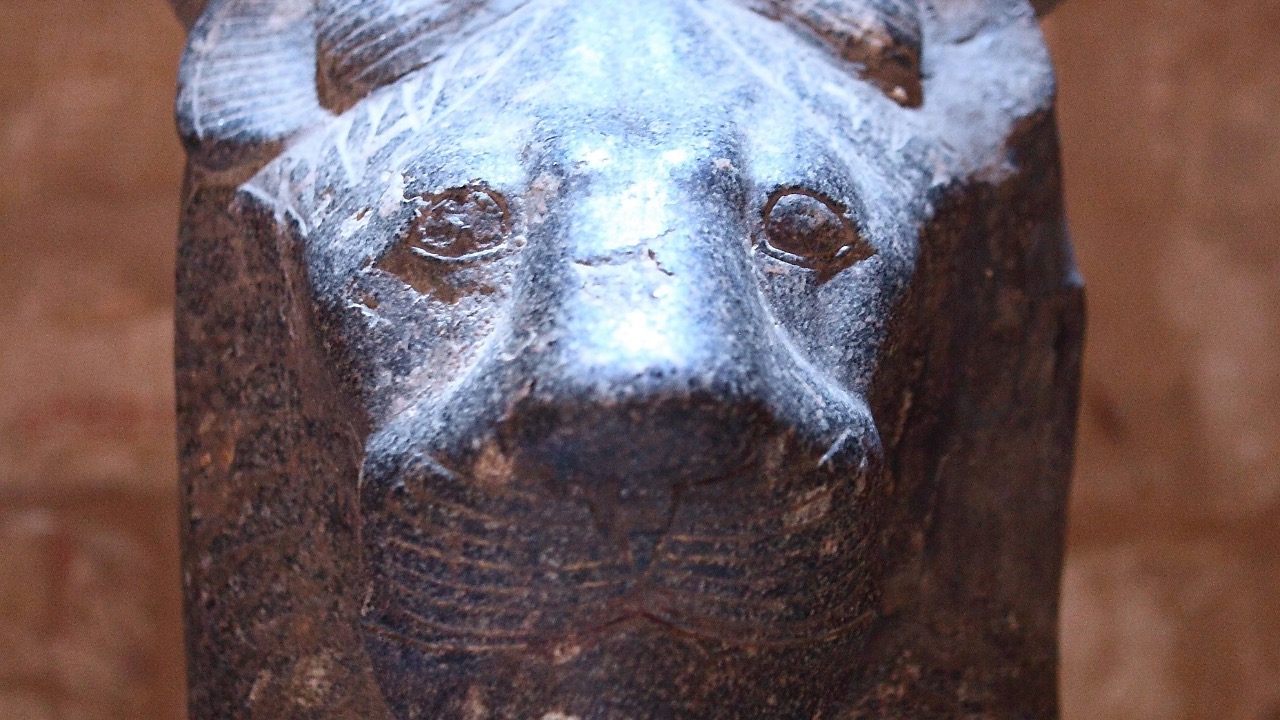
The specimen came from historical burial contexts in Egypt, where animal mummification was once culturally significant. Scientists working with teams associated with the Max Planck Institute for Evolutionary Anthropology carefully extracted genetic fragments. Their work, later discussed in publications like Nature (journal), revealed surprising insights about genetic diversity and population structure that weren’t expected from such an old specimen.
The Mummy Was Surprisingly Well Preserved
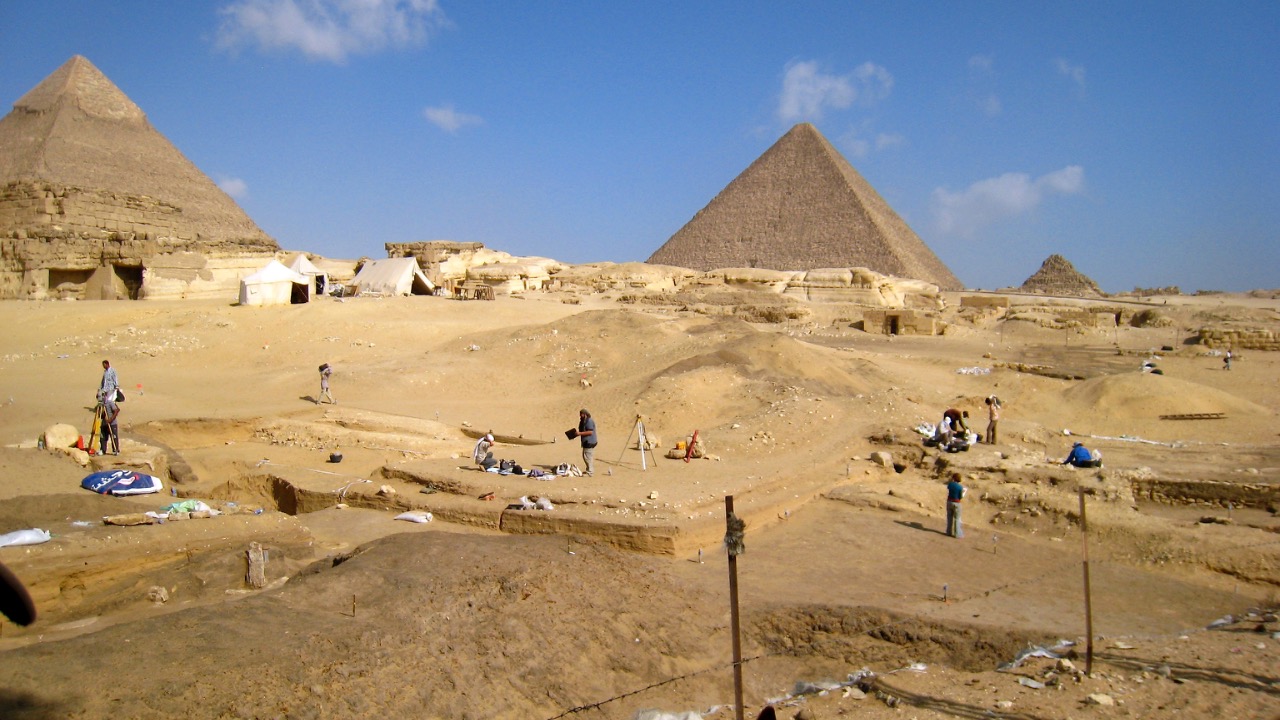
The biggest surprise wasn’t the species itself but how intact the biological material remained. Mummification techniques used in ancient burial practices sometimes slowed natural decomposition, protecting cellular fragments longer than scientists predicted. Researchers found that bone and soft tissue residues still carried usable DNA segments despite centuries of environmental exposure.
Ancient preservation conditions inside tomb-like environments helped stabilize molecular structures. Temperature fluctuations, microbial activity, and moisture exposure usually destroy genetic material, but burial rituals sometimes created microclimates that slowed degradation. This allowed scientists to reconstruct partial genomes and compare them with modern cheetah populations. Findings suggested genetic continuity in some lineages and hinted that historical populations might have been more diverse than previously assumed.
The Cheetah Was Not Genetically Identical to Modern Populations
One unexpected discovery was that the mummified animal’s genome wasn’t perfectly aligned with modern wild cheetah populations. Genetic markers suggested subtle lineage differences, implying that historical populations may have experienced more regional variation.
Scientists suspect population bottlenecks over centuries may have reduced genetic diversity. Modern Acinonyx jubatusgroups are already known for low genetic variation, which affects disease resistance and reproductive success. The ancient specimen showed hints of alleles that are now rare or absent. These differences help conservationists understand how habitat loss and human expansion may have reshaped evolutionary pressures.
Evidence Suggests Historical Cheetahs May Have Had Slightly Different Hunting Adaptations
The DNA structure hinted at possible metabolic and muscular traits that might have supported slightly different hunting strategies. While cheetahs are built for explosive speed, small genetic variations could influence stamina recovery or sprint efficiency.
Researchers were careful not to overinterpret the data. But comparative modeling showed that some ancestral traits might have favored survival in environmental conditions that no longer exist. The findings don’t mean ancient cheetahs were fundamentally different animals, but they may have possessed micro-adaptations suited to historical prey behavior and climate cycles.
Ancient Human Practices May Have Influenced Genetic Distribution
Animal mummification in ancient societies wasn’t random. Some animals were bred, captured, or maintained in temple environments. This human interaction may have shaped genetic distribution among populations.
Scientists suspect that religious or cultural animal management may have unintentionally influenced breeding patterns. If certain cheetahs were favored or protected, their genes could have spread locally while others disappeared. This type of anthropogenic selection is rarely discussed but may explain why historical genomes sometimes show regional clustering not seen in wild modern populations.
The Study Helps Modern Conservation Genetics
Understanding ancient genomes provides baseline reference points for conservation biology. If modern populations are compared against historical DNA, scientists can measure genetic erosion over time.
For species like Acinonyx jubatus, which already face reproductive challenges, this information matters. Conservation programs can use historical variation data to guide breeding efforts and maintain long-term resilience. Researchers believe that protecting genetic diversity is as important as protecting habitat, especially for animals that have experienced population bottlenecks.
Ancient DNA Technology Is Still Improving
Extracting usable DNA from ancient specimens remains technically challenging. Contamination control, fragment reconstruction, and sequencing accuracy all matter. Laboratories working with historical remains use ultra-clean environments to prevent modern DNA mixing.
The work done through institutions like the Max Planck Institute for Evolutionary Anthropology represents the growing frontier of molecular archaeology. Future technology may allow scientists to reconstruct more complete genomes from older specimens. As sequencing methods improve, ancient wildlife populations may reveal ecological stories that were once completely lost to time.

Asher was raised in the woods and on the water, and it shows. He’s logged more hours behind a rifle and under a heavy pack than most men twice his age.