Carry Pistols That Become Unreliable After Minor Modifications
Modern carry pistols are built with tight engineering tolerances. That means small changes can sometimes upset the balance manufacturers spent years tuning. Many shooters want smoother triggers, lighter springs, or aftermarket parts that promise better performance. But carry pistols are defensive tools, not race guns. When reliability matters more than comfort, tinkering can backfire.
The problem isn’t modification itself. The problem is that some compact pistols rely on specific spring weights, slide timing, and factory geometry. Even small changes can affect feeding, cycling speed, or striker behavior. These are pistols where “improving” them often means introducing variables that weren’t there before.
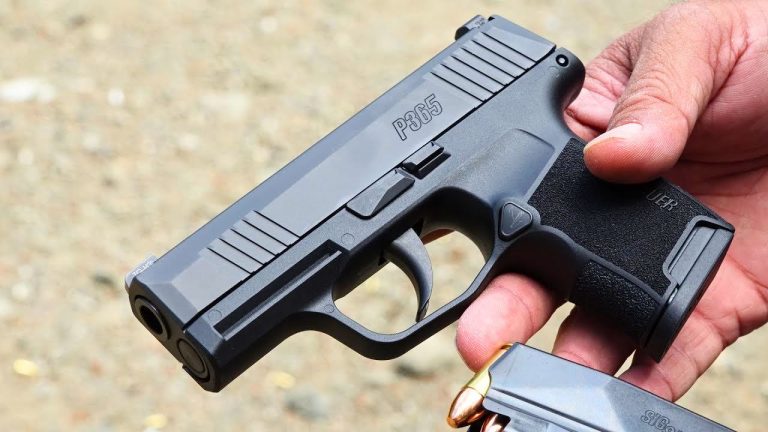
SIG P365 After Spring Swaps
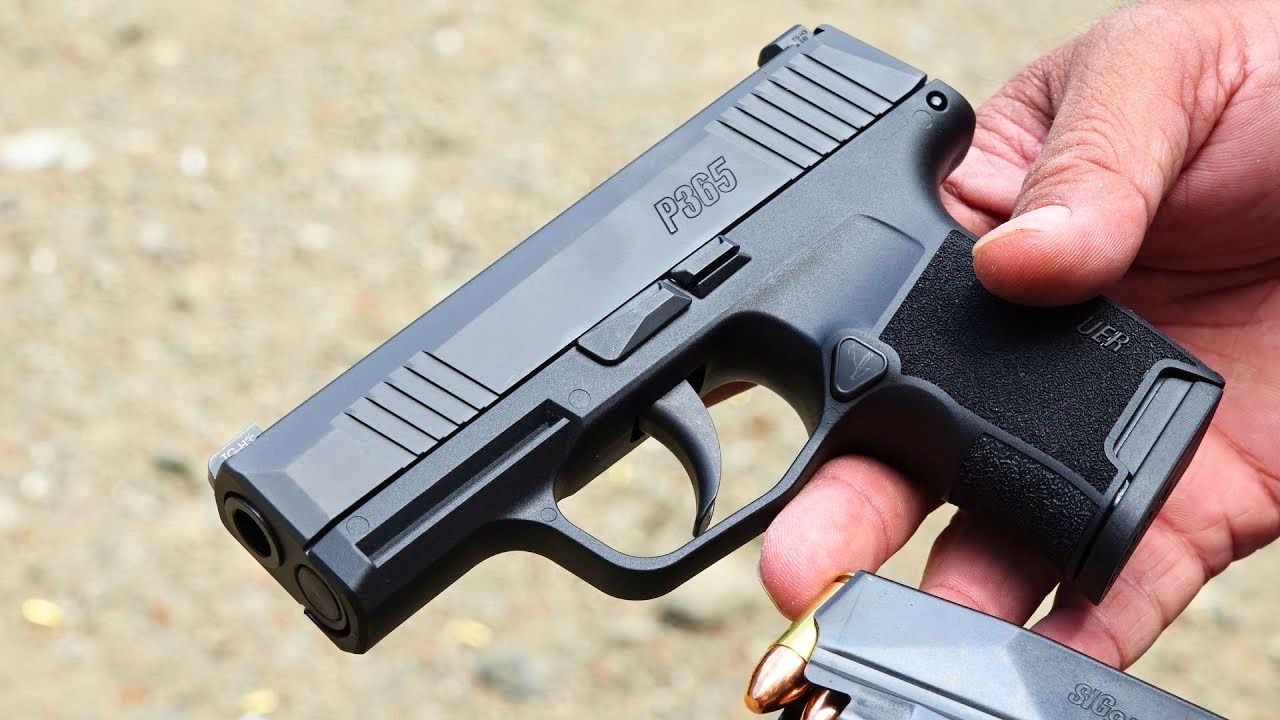
The SIG P365 is popular for deep concealment, but changing recoil spring assemblies can cause cycling timing problems. The pistol was engineered around specific spring tension to manage its short slide travel.
Aftermarket spring kits may promise softer recoil or longevity, but some users report failure-to-feed events when switching loads. The micro-compact slide needs precise momentum to strip cartridges reliably. If spring resistance changes, slide velocity may not match magazine presentation timing. Many experienced shooters recommend leaving the factory recoil system alone unless testing is done with defensive ammunition.
Glock 43X With Trigger Kit Installations
The Glock 43X is known for dependable function, but aggressive trigger modifications can introduce safety and reliability concerns. Aftermarket trigger bars or connector swaps sometimes reduce sear engagement margins.
While lighter triggers feel better at the range, defensive pistols depend on consistent striker release geometry. Some users report reset inconsistency after installing competition-style components. Dust, lint, and carry debris can worsen tolerance issues. The 43X performs best when internal fire-control parts remain stock, especially for daily concealed carry use where environmental exposure is unavoidable.
Ruger LCP With Polished Internal Parts
The Ruger LCP is extremely small, and polishing internal contact surfaces can accidentally remove protective material thickness. The pistol depends on specific surface friction to maintain reliable striker and slide movement.
Over-polishing can lead to parts sliding too freely or altering timing during cycling. Some owners chase smoother operation but later experience light primer strikes or inconsistent ignition. Because the LCP already operates near the mechanical limits of its micro-frame design, factory surface finishes are often better left untouched for defensive use.
Springfield Hellcat Magazine Modifications
The Springfield Hellcat is sensitive to magazine geometry. Some shooters modify follower surfaces or spring strength in search of easier loading. Those changes sometimes cause feeding hesitation.
The Hellcat’s high-capacity micro-mag design depends on precise cartridge presentation angle. If follower pressure changes, rounds may nose-dive during chambering. Defensive pistols rely on predictable stack compression inside the magazine. Many armorers advise using factory magazines and replacing them when spring fatigue appears rather than attempting home tuning.
Taurus GX4 Internal Smoothing Attempts
The Taurus GX4 is sometimes polished internally by owners hoping to improve trigger feel. But removing material from engagement surfaces can cause striker release inconsistency.
This compact pistol was designed with specific tolerances for safe carry use. Over-tuning the trigger mechanism may lead to unreliable reset or altered firing resistance. Some shooters report that the GX4 actually performs more predictably when left factory stock. For defensive reliability, mechanical simplicity often works better than attempting to smooth out factory machining marks.
Kimber Micro 9 Spring and Guide Rod Changes
The Kimber Micro 9 operates on a 1911-style locked-breech micro platform, which means spring balance is critical. Changing recoil springs or guide rod assemblies can disturb slide dwell timing.
These pistols are already sensitive to ammunition pressure variations. Aftermarket parts sometimes create ejection inconsistency or feeding hesitation. Kimber micro pistols tend to function best with factory spring weights matched to recommended defensive loads. Carry reliability matters more than reduced recoil feel when the pistol is intended for emergency defensive use.
Walther PPS M2 Trigger Mechanism Tweaks
The Walther PPS M2 uses a refined striker system that depends on precise connector geometry. Trigger smoothing attempts can unintentionally reduce striker energy transfer.
While the factory trigger may feel slightly heavier than competition pistols, it was tuned for defensive ignition reliability. Lightening springs or altering internal geometry sometimes leads to hard primer strikes. Many experienced users prefer shooting the pistol enough to adapt rather than modifying internal fire-control components that affect ignition consistency.
FN 509 Compact Recoil System Changes
The FN 509 Compact uses a carefully balanced recoil management system. Replacing recoil springs with non-OEM versions can alter slide velocity.
This pistol is designed to function across a wide ammunition range using factory components. When spring resistance changes, extraction and chambering timing can drift. Some shooters chase softer recoil impulses but later encounter stovepipes or incomplete battery lock. For defensive carry, maintaining factory recoil system specifications often delivers better long-term reliability.

Asher was raised in the woods and on the water, and it shows. He’s logged more hours behind a rifle and under a heavy pack than most men twice his age.