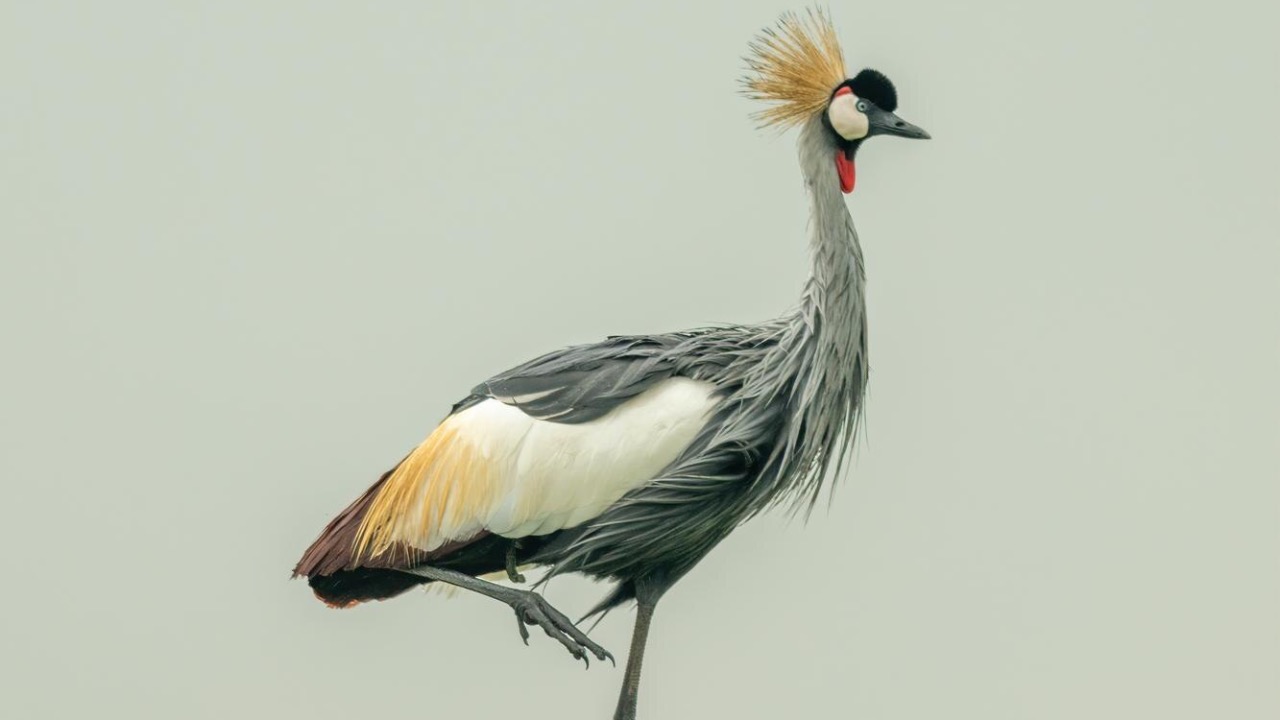
Crowned Crane Escapes From Washington State Zoo
Animal escapes from captivity don’t happen often, but when they do, they tend to catch a lot of attention. In this case, reports said a crowned crane managed to slip out of its enclosure at a zoo in Point Defiance Zoo & Aquarium, located in Washington State. Staff noticed the bird missing during a routine check, which triggered a quick search around the grounds.
Crowned cranes are known for being surprisingly agile despite their elegant appearance. Their long legs and strong wings allow short bursts of flight if they find enough space to launch. Zoo officials focused on securing perimeter fencing and checking nearby vegetation, since cranes often stay close to water or cover when startled. Visitors were temporarily redirected while staff worked quietly to avoid stressing the bird further.
Why Crowned Cranes Are Surprisingly Good Escape Artists
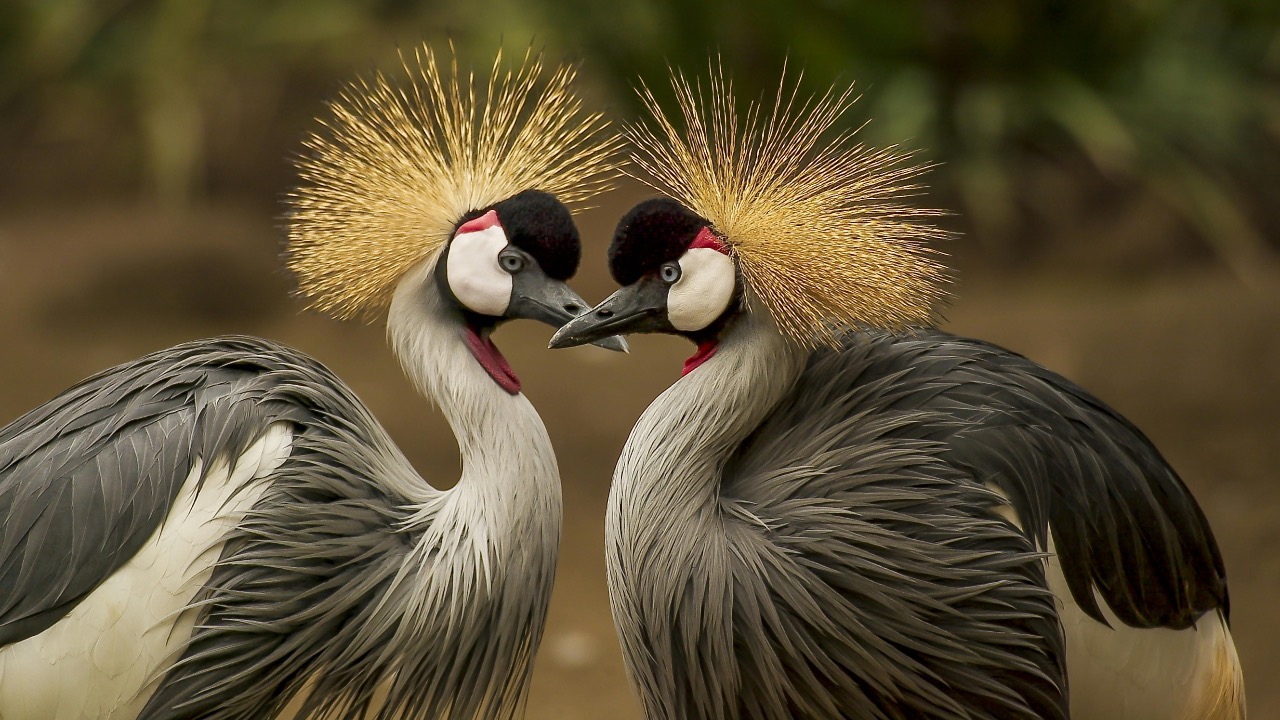
The crowned crane’s reputation as a graceful bird hides its natural instincts for survival and movement. These birds evolved in African grasslands where quick reactions helped them avoid predators. Even in captivity, those instincts don’t disappear completely. If startled by loud noises, unfamiliar movement, or sudden environmental change, a crane may attempt a short flight.
Unlike heavier waterfowl, crowned cranes can generate enough lift to clear low barriers if they get a running start. Their long legs help them accelerate across open ground. Zoos usually design enclosures with vertical height, not just horizontal space, to prevent escape attempts. Keepers also monitor stress factors like construction noise or nearby activity that might encourage anxious behavior.
How Zoo Staff Track Escaped Birds Without Panicking the Animal
When birds escape, loud search parties can make the situation worse. Staff members often move slowly and communicate quietly to avoid triggering flight responses. Many zoos rely on observation rather than pursuit.
Food rewards are sometimes used to lure birds back. Familiar feeding stations or water sources inside the enclosure can help guide an escaped crane home. Trained staff members may carry preferred treats or call the bird by association cues it recognizes. The goal is containment, not confrontation. Patience matters more than speed, since a stressed crane may fly farther instead of returning voluntarily.
Public Safety Concerns During the Escape
Although crowned cranes are not considered dangerous to humans, any escaped animal near public spaces creates uncertainty. Visitors were kept at safe distances while staff searched surrounding vegetation and shoreline areas.
Crowned cranes can use their wings defensively if cornered, though attacks on people are rare. The bigger concern is the bird injuring itself by flying into fences, buildings, or trees. Zoo teams usually prioritize protecting the animal rather than forcing rapid recovery. Keeping calm visitors away from search zones helps reduce stress for both people and the bird during recovery operations.
How Long Escaped Zoo Birds Usually Stay Loose
Most escaped zoo birds are recovered within a few hours or days if they stay near the facility. Food availability, water access, and familiar terrain often keep them close. Crowned cranes tend to prefer open areas where they can watch surroundings.
Weather also plays a role. Strong winds or storms may push a bird to seek shelter or discourage long flights. Zoo teams track movement patterns using visual sightings and sometimes temporary motion monitoring. The goal is quiet observation until the animal shows interest in returning rather than forcing relocation through stressful capture attempts.
Why Zoos Build Multi-Level Barriers for Birds
Modern zoo design assumes that birds may attempt escape if given opportunity. That’s why enclosures usually include vertical barriers, netting, or angled fencing. Simply surrounding a habitat with tall walls isn’t always enough.
Crowned cranes can jump, run, and flap across moderate heights. Zoos combine physical barriers with habitat enrichment to reduce escape motivation. Providing feeding schedules, nesting materials, and social stability helps keep birds content. Stress reduction is often more effective than physical confinement alone when managing intelligent or alert species like cranes.
What Happens After an Escaped Bird Is Found
Once the crane is located, recovery teams approach slowly using familiar sounds or feeding cues. Physical capture is avoided unless the bird is injured or near danger. Handlers may use transport nets or gentle enclosure methods.
After return, veterinarians usually check the bird for injuries, dehydration, or stress signs. The enclosure is inspected to find how the escape occurred. Repairs or adjustments follow quickly. Zoo records are updated to prevent similar incidents. These post-escape reviews are standard practice in accredited facilities because prevention matters more than reaction.

Asher was raised in the woods and on the water, and it shows. He’s logged more hours behind a rifle and under a heavy pack than most men twice his age.