Rifle Issues Hunters Often Discover the Hard Way
Owning a rifle feels confident until the day it starts showing problems you didn’t expect. Many hunting rifles perform fine at the range but reveal weaknesses once you carry them through brush, sit in cold weather, or shoot from awkward field positions. Small mechanical details matter more than people think. Things like stock rigidity, bolt friction, or even how you rest the rifle can influence shot placement.
Experienced hunters learn that rifles are mechanical systems, not guarantees. Some problems show up slowly over time, catching you off guard when you’re far from the truck. These are the kinds of issues that turn an easy hunt into a frustrating lesson in patience.
Barrel Harmonics After Break-In
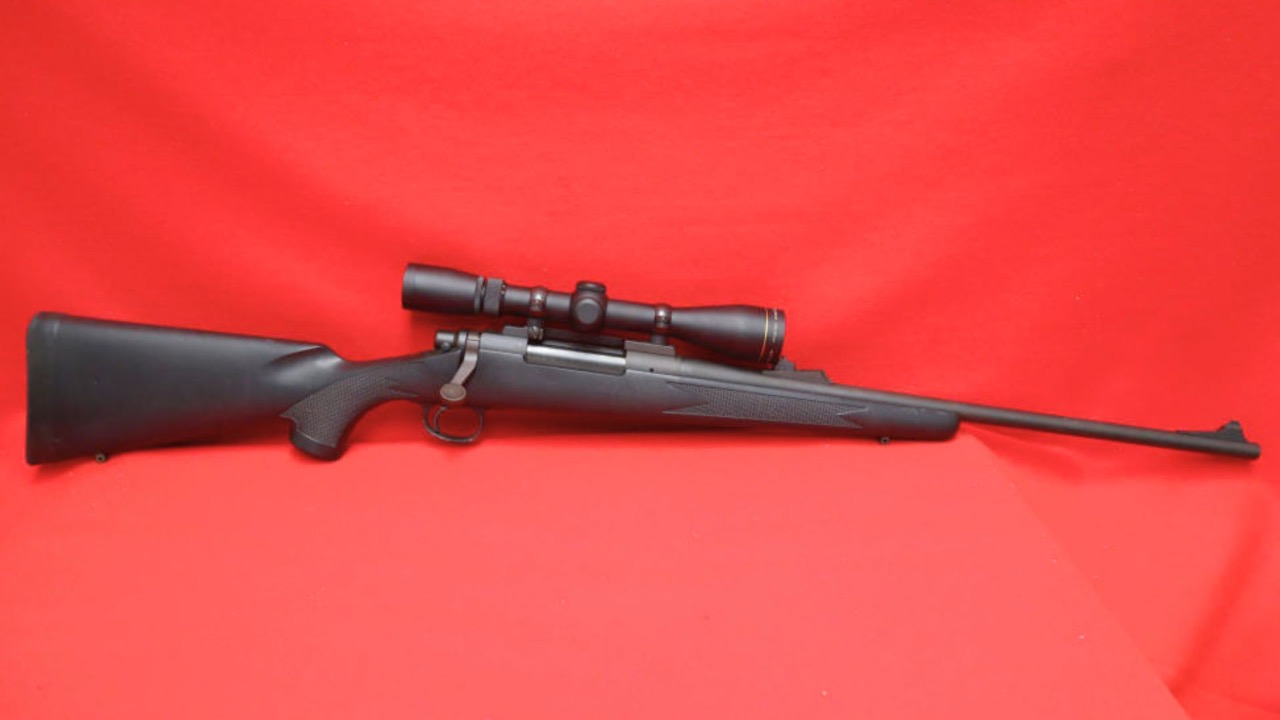
Some rifles change behavior after the barrel wears in. New barrels can shoot tight groups initially, then open slightly as carbon builds or internal stresses settle. This happens with rifles like Remington 700 ADL during early use. Hunters sometimes blame themselves when groups shift.
Barrel harmonics are subtle but real. Temperature, cleaning habits, and ammunition type all influence vibration patterns when a shot fires. You might notice that one load shoots perfectly while another wanders slightly. Many hunters spend hours chasing perfect zero without realizing the barrel simply prefers a specific load or shooting rhythm.
Synthetic Stock Flex Under Pressure
Light synthetic stocks can bend slightly when resting on uneven surfaces or bipods. Rifles such as Ruger American Rifle sometimes use budget polymer stocks that transmit pressure into barrel alignment. This can shift point of impact without obvious mechanical failure.
Field shooting positions often worsen the issue. Leaning the rifle hard into a rest or applying forward pressure on a bipod can subtly warp stock geometry. Hunters may think the scope drifted or ammunition changed. In reality, the stock is flexing under weight or grip stress during firing.
Scope Mounting Torque Mistakes
Loose or unevenly torqued scope mounts create accuracy headaches. Even excellent rifles like Winchester Model 70 can shoot poorly if rings aren’t installed correctly. Hunters sometimes overtighten one side of the mount while leaving another slightly loose.
Symptoms include wandering zero and inconsistent grouping between sessions. Recoil slowly shifts the optic position over repeated shots. Many hunters blame ammunition or barrel quality when the real problem is mounting hardware tension. Using a torque wrench and following manufacturer specs helps avoid this hidden but common hunting frustration.
Cold Weather Bolt Drag
Cold environments thicken lubricants and contract metal tolerances. Rifles like Savage 110 may feel smooth in warm weather but develop bolt resistance in freezing conditions. Oil viscosity increases, slowing mechanical movement.
Hunters sometimes over-lubricate actions, thinking more oil improves performance. Instead, excess lubricant stiffens when temperatures drop. Light synthetic lubricants work better in winter hunting. If you hunt in snow or high mountains, testing your rifle function in cold storage conditions before season starts can prevent surprise bolt stiffness in the field.
Magazine Feed Lip Wear
Magazine wear is a quiet accuracy killer. Repeated loading and unloading slowly changes feed lip geometry, altering bullet presentation angle. Rifles such as Tikka T3x depend on precise feeding alignment for consistent cycling.
Symptoms may include occasional nose-dives or failure to chamber smoothly. Hunters often replace magazines only after noticeable failures appear. The smarter move is inspecting magazines periodically. Small metal fatigue or polymer deformation can start long before the magazine actually stops working.
Crown Damage From Brush Contact
Barrel crown damage happens more often than hunters expect. Walking through dense vegetation or brushing against tree limbs can nick the muzzle edge. Even small crown imperfections disrupt gas release when the bullet exits.
Rifles like Browning X-Bolt rely on clean crown geometry for accuracy. Hunters may think their scope drifted or their shooting form changed. In reality, the rifle simply stops stabilizing the bullet consistently. Protecting the muzzle during travel is one of the easiest ways to preserve accuracy.
Overly Light Trigger Sensitivity
Light triggers feel great on the bench but can encourage subconscious flinching in the field. When trigger pull drops below what a hunter is mentally comfortable with, anticipation starts creeping in.
Rifles such as Howa 1500 sometimes ship with adjustable triggers that can be set too light. Hunters may notice shots pulling slightly off target during real hunting stress. A slightly heavier but predictable trigger often improves practical accuracy because it reduces involuntary movement during firing.
Bipod Pressure Point Shifts
Bipods are helpful but can create accuracy surprises. Applying forward or sideways pressure during firing changes barrel alignment slightly. Rifles like Ruger Precision Rifle are often shot from bipods, which makes this issue more noticeable.
Consistent bipod loading technique matters more than many hunters realize. Push too hard into the bipod and you introduce stock flex or barrel vibration differences. Letting the rifle settle naturally into the rest before firing often produces tighter, more repeatable groups.

Asher was raised in the woods and on the water, and it shows. He’s logged more hours behind a rifle and under a heavy pack than most men twice his age.