Researchers warn of unexpected shift in animal behavior with potential negative impacts
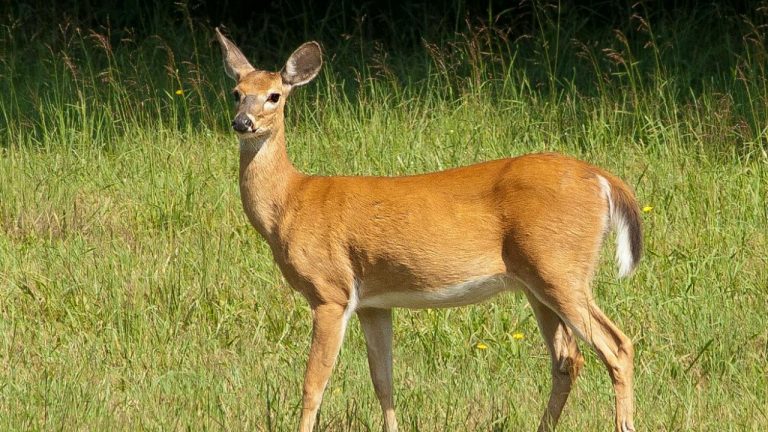
If you spend enough time outdoors, you start to notice when something feels off. Deer move at odd hours. Coyotes show up in places they used to avoid. Birds arrive weeks earlier than they did a decade ago. Those aren’t isolated observations. Biologists across North America are documenting measurable shifts in animal behavior, many tied to climate patterns, urban growth, and human pressure.
These changes don’t always look dramatic at first. A migration happens a little sooner. A predator hunts a little closer to town. But over time, those small adjustments stack up. Researchers warn that some of these behavioral shifts could carry real consequences for ecosystems, wildlife management, and even your next season in the field.
Earlier Migrations Are Throwing Off Timing
Across flyways, waterfowl and songbirds are adjusting migration schedules as spring temperatures warm sooner. Species like snow geese and various warblers are arriving on breeding grounds days or even weeks earlier than historical averages. On the surface, that might not seem like a big deal.
The problem shows up when food sources don’t shift at the same pace. Insects may not hatch early enough to match nestling demand. Wetlands may not be fully thawed when birds arrive. That mismatch can reduce chick survival and alter long-term population trends. For hunters and birdwatchers alike, it also scrambles the timing you’ve relied on for years.
Predators Expanding Into Suburban Landscapes
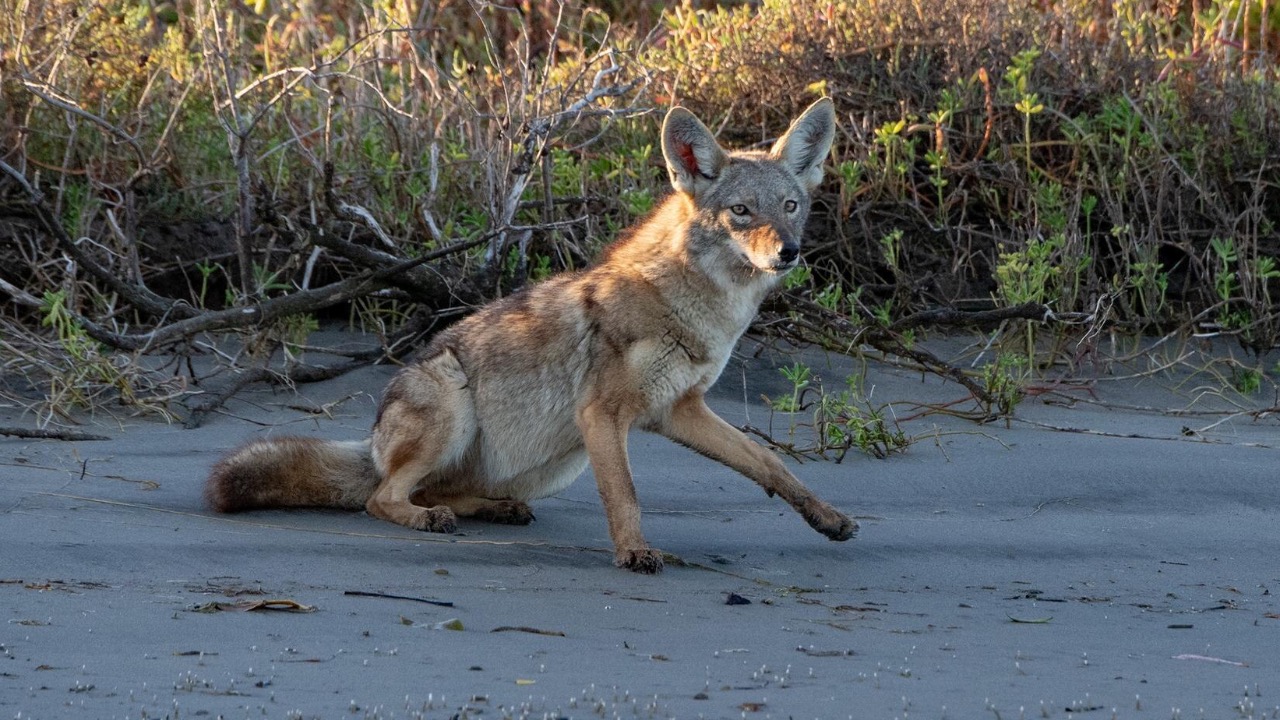
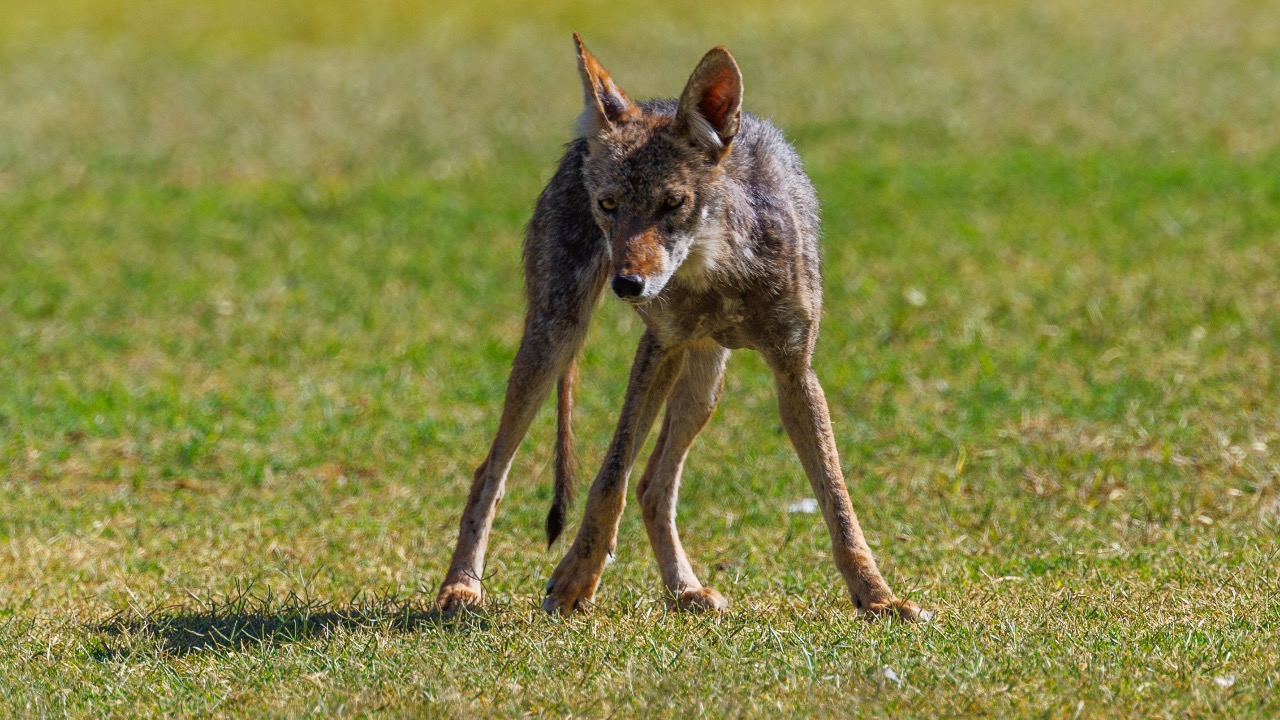
Coyotes, black bears, and even mountain lions are pushing deeper into developed areas. Research suggests this isn’t only about shrinking habitat. Some predators are adapting behaviorally, becoming more nocturnal and more tolerant of human presence.
That shift reduces direct conflict at first, but it also increases the odds of encounters over time. Pets, livestock, and even backyard attractants become part of the equation. Wildlife managers now spend more time responding to nuisance calls in suburbs that rarely dealt with predators a generation ago. When large carnivores grow comfortable around people, the margin for error narrows fast.
Elk and Deer Altering Daily Movement Patterns
GPS collar studies show that elk and mule deer are adjusting their movement patterns in response to recreation pressure. In heavily used public land, animals are becoming more nocturnal and spending daylight hours in thicker cover or steeper terrain.
That may help them avoid people in the short term, but it can also affect feeding efficiency and body condition. When prime forage is used at night instead of during cooler morning hours, stress levels increase. Over time, those shifts can influence reproduction rates and calf survival. If you’ve noticed animals “disappearing” during daylight, you’re seeing behavior adapt in real time.
Fish Spawning Earlier in Warming Waters
In rivers and lakes across the country, warming water temperatures are triggering earlier spawning in species like walleye and bass. Spawning cues are tightly tied to temperature thresholds, and those thresholds are arriving sooner in many systems.
When spawning shifts, it can expose eggs and fry to late cold snaps or mismatched plankton blooms. Young fish rely on precise timing to coincide with food availability. A few degrees of change can alter survival rates significantly. Fisheries managers are now watching these patterns closely because long-term recruitment depends on timing staying in sync.
Songbirds Nesting in Riskier Locations
Some bird species are altering nesting behavior in response to habitat loss and urban expansion. Rather than traditional forest interiors, certain populations are choosing edge habitats or even suburban landscapes to build nests.
While that may increase short-term nesting opportunities, it often raises predation risk. Domestic cats, raccoons, and other opportunistic predators thrive in edge environments. Nest success can drop even if birds appear abundant. The shift may look like adaptation, but the long-term math doesn’t always work in the birds’ favor.
Marine Mammals Changing Feeding Routes
In coastal waters, shifting ocean temperatures are altering prey distribution. Whales and seals are following those prey movements into new areas, sometimes closer to busy shipping lanes or fishing grounds.
That creates higher risks of vessel strikes and gear entanglement. Researchers tracking species like humpback whales have documented changes in feeding routes that overlap more heavily with human activity. These aren’t random wanderings. They’re direct responses to where food is moving. As oceans continue to warm, those patterns may become more common, increasing pressure on already vulnerable populations.
Small Mammals Staying Active Longer Into Winter
Warmer winters are affecting hibernation cycles for species like ground squirrels and certain bat populations. Shorter, milder cold periods mean some animals emerge earlier or remain intermittently active throughout winter.
That might sound beneficial, but it increases energy demands during times when food is still scarce. If a late freeze hits after early emergence, mortality can spike. In bats, disrupted hibernation cycles can also interact with diseases like white-nose syndrome, compounding existing threats. Behavioral flexibility helps in the short term, but it doesn’t eliminate risk.
Amphibians Breeding in Temporary Water Sources
Frogs and salamanders rely on seasonal pools for breeding. As rainfall patterns shift, some species are laying eggs in more temporary or unpredictable water sources. When those pools dry too soon, entire broods can be lost.
Amphibians are already sensitive to environmental change because of their permeable skin and reliance on both land and water. Altered breeding timing increases exposure to drought, pollutants, and predators. Researchers see these changes as early warning signs. When amphibians adjust behavior, it often reflects deeper ecosystem stress.
The outdoors has always changed. That’s part of its nature. But what researchers are tracking now isn’t random fluctuation. It’s measurable, repeated behavioral adjustment across species and regions. If you spend enough time outside, you can see it yourself. The key is understanding that these shifts carry consequences, even when they don’t make headlines right away.

Asher was raised in the woods and on the water, and it shows. He’s logged more hours behind a rifle and under a heavy pack than most men twice his age.