What Experienced Hunters Carry When Weather Turns Bad
Bad weather doesn’t cancel a hunt. In a lot of places, it improves it. Pressure drops, deer get on their feet, elk move earlier, and the woods empty out. But when wind, sleet, or cold rain roll in, your gear either earns its place or becomes dead weight.
Experienced hunters don’t pack more when the forecast turns ugly. They pack smarter. Every item has a reason, and every ounce pulls its weight. Here’s what you’ll find in a seasoned hunter’s kit when the sky goes gray and the temperature starts to slide.
A Truly Waterproof Shell, Not a “Water-Resistant” Jacket
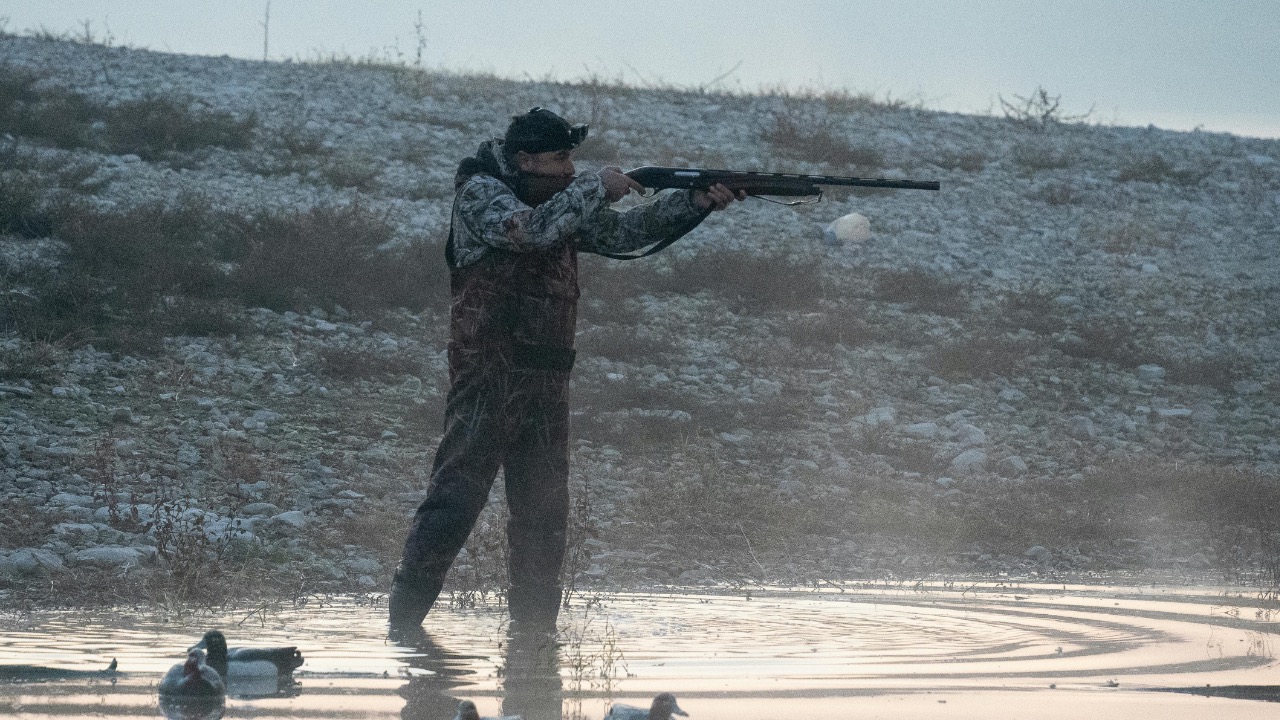
When the rain settles in for hours instead of minutes, water-resistant fabric won’t cut it. You carry a fully waterproof shell with sealed seams and a hood that actually cinches down. It’s not about comfort—it’s about staying functional when everything else is soaked.
The key is breathability. If you’re climbing ridges or still-hunting through timber, sweat will soak you faster than rain. A quality shell lets heat escape while keeping moisture out. You don’t want bulk. You want a reliable barrier that disappears until you need it—and works every time.
Merino Base Layers That Keep Working When Wet
Cotton is out of the question when the weather turns. Experienced hunters lean on merino wool because it insulates even when damp and doesn’t hold odor during multi-day hunts.
When rain sneaks past cuffs or snow melts down your collar, merino keeps your core temperature stable. It dries faster than most synthetics in cold air and doesn’t cling when wet. You might carry an extra lightweight top in a dry bag, but the base layer on your back is doing most of the heavy lifting.
Waterproof Gloves You Can Still Shoot In
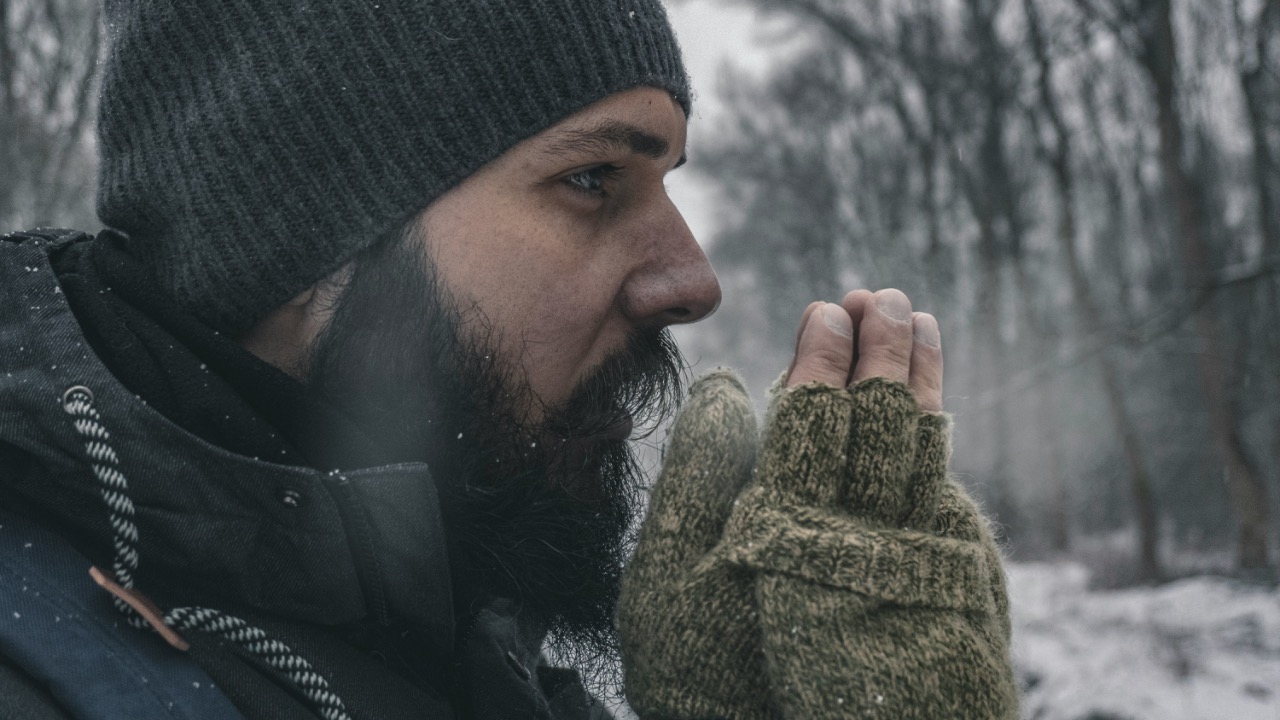
Cold hands ruin hunts. Once your fingers lose dexterity, everything gets harder—working a safety, running a bolt, clipping a release. You carry gloves that block wind and water but still allow you to feel a trigger.
Most experienced hunters pack two pairs: a thin, dexterous waterproof glove for active movement and a warmer pair for long sits. If one pair gets soaked, you’ve got backup. That redundancy matters more than you think when the wind cuts and temperatures hover near freezing.
A Pack Cover and Dry Bags Inside
Rain doesn’t care how expensive your pack is. If water seeps into spare layers, tags, or electronics, you’re in trouble. That’s why experienced hunters run both a pack cover and internal dry bags.
The cover keeps steady rain off the zippers. The dry bags protect the critical stuff—headlamp, spare gloves, extra base layer, and license. It’s a layered defense system. You don’t trust one barrier when weather is unpredictable.
A Reliable Headlamp With Fresh Batteries
Storms shorten daylight. Heavy cloud cover makes timber darker earlier. When you’re tracking in rain or field dressing in sleet, you need dependable light.
Experienced hunters carry a headlamp they’ve already tested in bad conditions, along with spare batteries stored somewhere dry. Cold drains batteries faster than you expect. You don’t want to discover that when you’re a mile from the truck with fading light and wet hands.
Insulated, Waterproof Boots That Fit Properly
Wet feet break you down fast. Blisters form easier in damp conditions, and cold seeps in through poorly sealed seams. Experienced hunters don’t gamble here.
You carry boots that are truly waterproof, not “treated” leather hoping for the best. Insulation depends on your terrain and activity level, but fit always comes first. In bad weather, you’re covering uneven ground, stepping through puddles, and side-hilling slick slopes. Boots need traction and support when the ground turns unpredictable.
A Small Tarp or Lightweight Ground Sheet
Rain turns everything into mud. Snow melts into slush. A compact tarp gives you a clean surface to lay out gear, kneel on while glassing, or keep meat off wet ground during field dressing.
It doesn’t take much room in your pack, but it changes how efficiently you can work in bad conditions. When wind is blowing and rain is coming sideways, having a dry workspace helps you stay organized and focused instead of scrambling.
High-Quality Optics Covers
Rain on lenses makes spotting game nearly impossible. Fogged binoculars and soaked rifle scopes end hunts early. You carry covers that stay secure and come off quietly.
Experienced hunters also keep a microfiber cloth in a waterproof pouch. Quick lens wipes matter when drizzle turns steady. Clear glass isn’t a luxury in bad weather—it’s the difference between seeing an animal step out at 200 yards and never knowing it was there.
A Fire-Starting Kit That Actually Works When Wet
When temperatures drop and everything around you is soaked, fire becomes more than comfort. It’s insurance.
You don’t rely on a single lighter. You carry waterproof matches or a sealed ferro rod and a small amount of dry tinder stored inside a waterproof container. Windproof ignition matters more than convenience. You hope you never need it—but in sustained rain or early snow, it’s one of the most important items in your pack.
Extra Calories That Don’t Freeze Solid
Cold weather burns energy fast. When wind and moisture pull heat from your body, you need fuel you can eat without a stove.
Experienced hunters carry dense snacks that won’t turn rock-hard in freezing temperatures. Think foods that stay chewable and calorie-rich. You keep them accessible, not buried deep in your pack. Staying ahead of fatigue keeps your decision-making sharp when weather complicates every move.
A Compact Emergency Layer
Even if you’re dressed for the forecast, bad weather can intensify. An ultralight insulated jacket compressed into a dry sack gives you a margin for error.
If you’re forced to sit longer than expected or help a partner pack meat in sleet, that extra layer protects your core. It doesn’t need to be bulky. It needs to be dependable. When wind speeds climb and temperatures fall, that spare insulation often makes the difference between discomfort and danger.
A Calm, Measured Plan
This isn’t something you clip to your pack, but it matters more than anything else. Experienced hunters don’t panic when weather turns. They slow down, adjust their route, and rethink how animals will respond.
Bad conditions expose sloppy planning. They reward preparation and patience. When rain pounds or snow stacks up, you carry the mindset that the hunt isn’t over—it’s changing. And if you packed right, you’re still very much in it.

Asher was raised in the woods and on the water, and it shows. He’s logged more hours behind a rifle and under a heavy pack than most men twice his age.