

Rifles Hunters Defend Until Accuracy Starts Slipping
Every hunter knows a rifle that seems like the perfect partner—right up until it begins throwing shots in places you didn’t call. Some rifles earn strong loyalty because they feel good in the hands, handle well in tight brush, or carry a respected name. But once you push them through real seasons, rough weather, or heavy round counts, the groups start drifting. At first the changes are subtle, then obvious, and eventually impossible to ignore.
Accuracy can fade for many reasons: thin barrels that heat up fast, wobbly stocks, aging internals, or designs that simply don’t tolerate field abuse. Whatever the cause, these rifles are often defended fiercely by hunters who love what they represent, not how they actually perform under pressure. If you’ve ever sworn your rifle “used to shoot better,” you’ll recognize more than one of these.
Remington 742 Woodsmaster

The 742 has history behind it, and many hunters remember their first deer with one. But the more rounds you put through it, the more the action rails wear. That wear eventually shows up downrange as inconsistent groups. You’ll notice shots landing farther from center than they should, especially once the barrel warms.
As accuracy fades, troubleshooting becomes difficult. You clean it, change ammo, check the scope—but the wandering groups stay. Hunters defend the rifle because of nostalgia and familiarity, but mechanically, the design doesn’t age well. Once those rails are worn, consistent accuracy becomes hard to recover.
Ruger Mini-14 (Pencil-Barrel Versions)
Early Mini-14s are beloved for reliability and handling, but accuracy becomes unpredictable once heat enters the equation. The thin barrels flex easily, and you’ll watch groups spread rapidly once you fire a few consecutive shots. In the field, that means your first shot may be fine, while the second or third goes wide.
Hunters defend the Mini-14 because it runs clean and cycles flawlessly. But when you’re looking for tight groups on deer or coyotes, the barrel limitations show quickly. It’s a rifle you enjoy carrying but one you grow hesitant to stretch past modest distances.
Savage Axis (Original Stock)
The Axis action can absolutely shoot, but the early factory stock works against you. The fore-end flexes noticeably under sling tension or when using shooting sticks. That flex shifts barrel contact, and your groups walk without warning. On calm bench days it behaves, but field positions tell another story.
Hunters defend it because of the low price and surprising out-of-the-box accuracy. But as soon as stress gets applied to the stock—or temperature changes start affecting the plastic—you start chasing point of impact. The gun shows potential, but the stock holds it back when you need stability most.
Winchester Model 94 (Worn Examples)
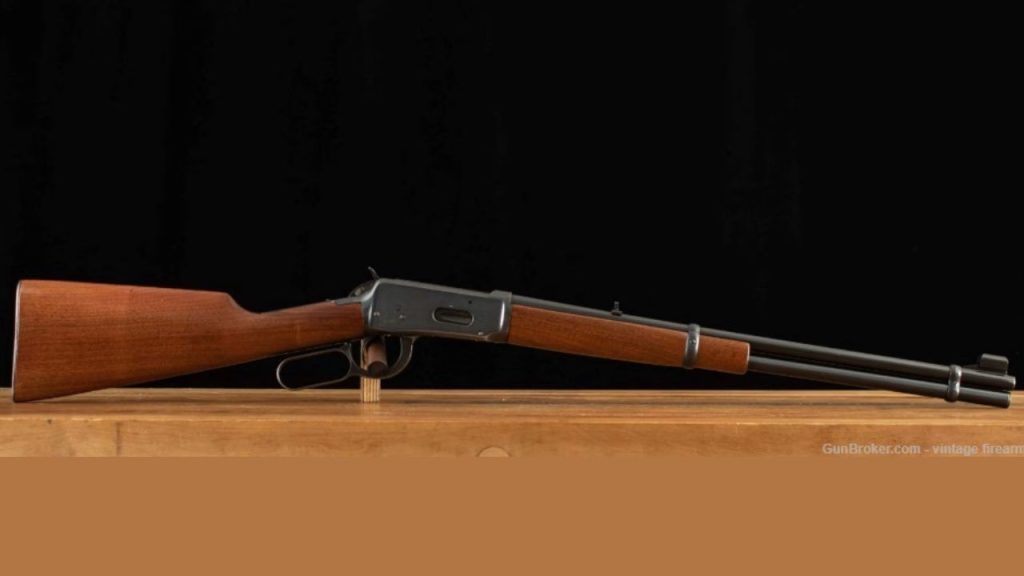
A good Model 94 is a classic woods rifle. But many of the rifles still in circulation today have been carried for decades, and their accuracy often reflects that history. Loose sights, wallowed screw holes, and worn barrels lead to wandering groups that hunters chalk up to “open sights being tricky.”
The truth is that old lever rifles need tight lockup and clean barrel condition to maintain consistent accuracy. Once those factors degrade, shots begin to drift in ways impossible to predict. Hunters defend them because they’re icons, but nostalgia can’t tighten a worn action.
Browning BAR (Older Generations)
The Browning BAR has always been a smooth shooter, but older models develop quirks over time. Carbon builds up deep inside the gas system, and small changes in pressure show up as inconsistent cycling and uneven recoil impulses. That inconsistency affects how the rifle settles during each shot.
Hunters often blame themselves, thinking they pulled a shot or rushed the trigger. But as internal wear increases, groups slowly widen. Many hunters defend the BAR because of the name and the legacy, but older rifles in particular require more upkeep than most realize to maintain their original accuracy.
Remington 783 (Factory Stock Issues)
The 783 shoots well mechanically, but the factory stock often introduces small shifts that become large problems in the field. The fore-end lacks stiffness, and barrel contact changes between shooting positions. On a warm day at the range, you may see great groups—but those groups don’t always repeat in colder weather or from field rests.
Hunters defend it because the action is strong and the rifle handles recoil well. But until the stock is replaced or bedded properly, accuracy tends to fluctuate. It’s a rifle with potential that doesn’t always translate to consistent performance under real hunting pressure.
Weatherby Vanguard Synthetic (Older Lightweight Models)
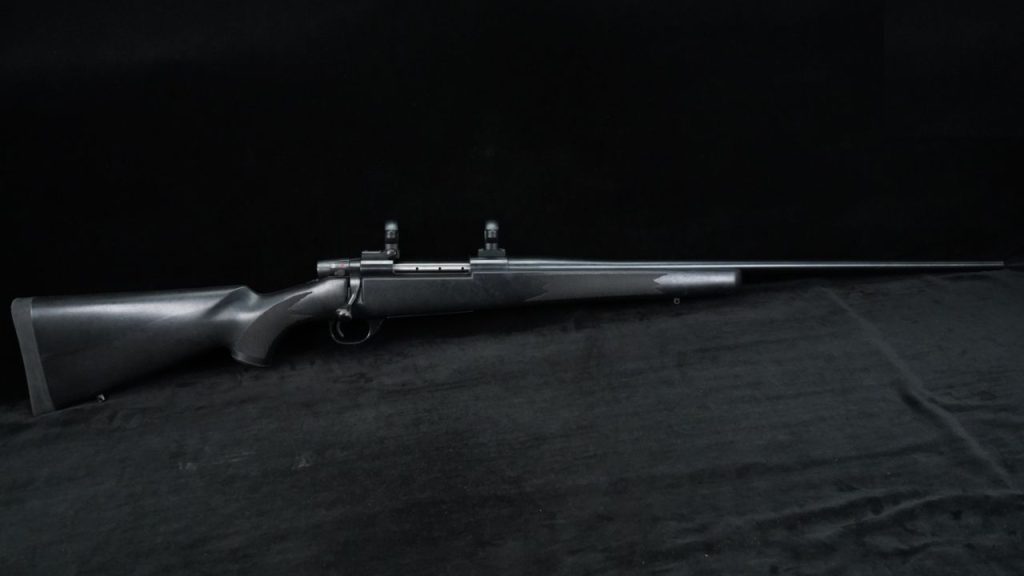
Weatherby rifles have a strong reputation, but the older synthetic stocks on lightweight Vanguards sometimes flex more than hunters realize. That flex introduces slight pressure points on the barrel, which become noticeable when shooting at longer distances or in cold weather.
The rifle balances well and feels trustworthy, which is why hunters defend it. But when accuracy begins slipping, the stock is often the culprit. Once replaced or reinforced, the rifle settles down, but many owners never identify the stock as the problem.
Marlin X7
The Marlin X7 earned praise for its clean trigger and smooth bolt, but the rifles often lose accuracy as the barrels age. Some examples show early throat erosion, especially in heavier calibers. This leads to fliers and inconsistent group centers, even with quality ammunition.
Hunters tend to defend the X7 because it feels better built than its price suggests. But as time goes on, accuracy issues creep in quietly. It’s the kind of rifle that shoots lights-out for a few years, then begins drifting without an obvious warning.
Thompson/Center Venture (Early Rifling Issues)
Some early T/C Venture models had rifling defects that didn’t show themselves until you accumulated a few seasons of shooting. Groups that once stacked neatly start to open. For a while, hunters blame scope mounts or weather, but eventually the rifle proves the issue is deeper.
Because the rifle shoulders well and has a good-trigger reputation, many owners defend it fiercely. But those early barrels simply weren’t consistent across all production. Once accuracy fades, no amount of cleaning or remounting optics brings it fully back.
Remington Model 710

The 710 is infamous for issues, but many hunters still defend theirs because of sentimental or budget ties. However, the rifle’s pressed-in barrel and plastic parts make long-term accuracy hard to maintain. Over time, groups drift, and many owners don’t realize the rifle has simply reached its limits.
The action also wears quickly, which affects lockup and shot consistency. While it may have served well early in its life, it’s a rifle that rarely ages gracefully. Hunters defend it because of familiarity, not because it remains accurate.
Mossberg 4×4
The Mossberg 4×4 can look appealing on the rack, and early range sessions sometimes reinforce that confidence. But barrel inconsistencies and stock fitment problems often show up later. Once point-of-impact starts wandering, it’s difficult to get the rifle back on track.
Hunters defend it because it’s comfortable and usually lightweight. But the rifle’s long-term accuracy tends to degrade as the stock shifts and the bedding loosens. Some rifles perform better than others, but the platform as a whole struggles to maintain precision season after season.

Leo’s been tracking game and tuning gear since he could stand upright. He’s sharp, driven, and knows how to keep things running when conditions turn.


