Military Contracts That Are Redefining Modern Battlefield Tech
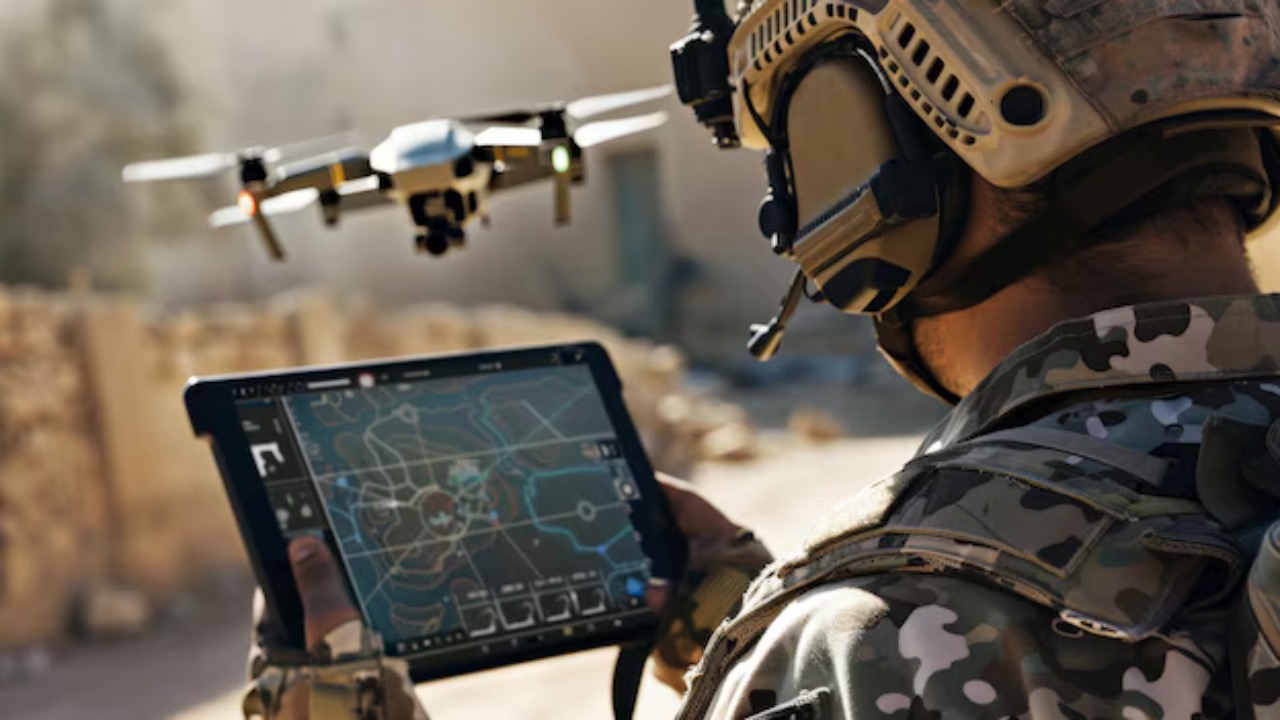
From pocket-sized artificial intelligence to swarms of expendable drones, a new generation of military contracts is reshaping how wars are fought and supplied. Instead of a few exquisite platforms, armed forces are buying software, autonomy and mass at scale, betting that smarter, cheaper systems will decide the next conflict. The result is a procurement wave that is redefining modern battlefield tech in ways that reach from the infantry squad to the carrier deck.
Across the United States and allied countries, contracts now hinge on speed of decision, human‑machine teaming and resilient supply chains rather than raw firepower alone. Deals that fund Collaborative Combat Aircraft, mixed‑reality night vision or flexible first‑person‑view drones are not just upgrading gear; they are quietly rewriting doctrine, training and industrial strategy.
AI in the foxhole: contracts that put algorithms in soldiers’ pockets
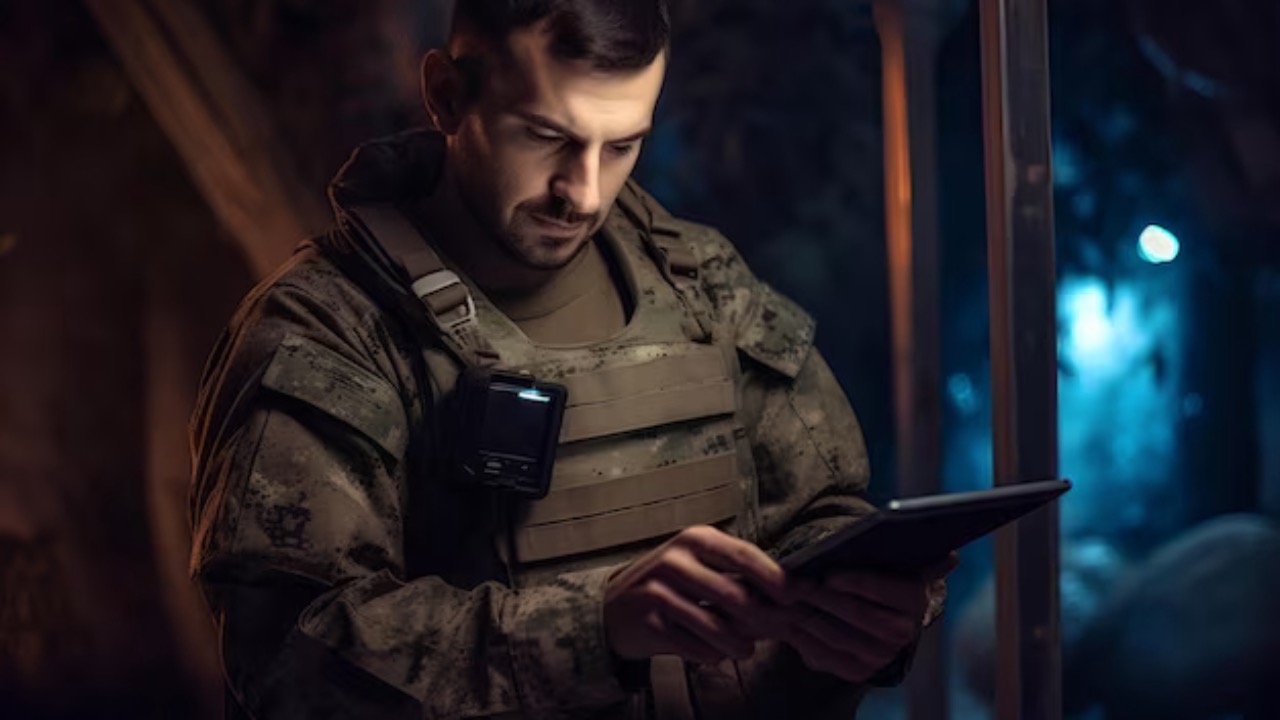
One of the clearest shifts in recent contracts is the push to give front‑line troops direct access to artificial intelligence. An Army Contract With Startup to Give Soldiers Battlefield AI captures that trend, with American troops starting to carry AI in their pockets rather than relying only on distant command posts. The logic is straightforward: if a squad leader can run sensor data, maps and targeting suggestions on a handheld device, decisions that once took minutes or hours can compress into seconds.
The same philosophy sits behind a separate military AI deal with TurbineOne, which is described in reporting on a major US military AI. TurbineOne focuses on software that can run at the tactical edge, even with patchy connectivity, which fits a broader pattern of decentralizing analysis away from large headquarters servers. Together, these contracts point to a battlefield where small units carry decision support tools that blend sensor fusion, pattern recognition and automated alerts, while commanders worry less about pushing every bit of intelligence downrange in real time.
Mixed reality and night vision: Anduril’s Soldier Borne Missi bet
Another cluster of contracts is redefining how troops see the fight. The Army has awarded Anduril a contract to develop a night vision and mixed reality system as part of the Soldier Borne Missi effort, according to an official Army and Anduril statement. Instead of juggling separate monoculars, radios and tablets, soldiers would see sensor feeds, drone video and navigation cues layered directly into their field of view, turning the visor into a command interface.
Anduril’s own description of its SBMC effort explains how, through Anduril SBMC, drones were directly tasked from over three kilometers away via a line‑of‑sight radio connection to a launcher, and then controlled through the same mixed‑reality system. That demonstration, highlighted in the company’s Through Anduril SBMC release, shows why mixed reality is attracting funding: it collapses sensors, controls and communications into a single, intuitive interface. For acquisition officials, the appeal is not just futuristic visuals but the promise that a single contract can upgrade situational awareness, drone control and mission planning all at once.
From loyal wingmen to carrier CCAs: drones as core combat partners
Airpower contracts are also shifting toward manned‑unmanned teams. Collaborative Combat Aircraft are described as semi‑autonomous, jet‑powered drones designed to work alongside manned fighters, with the aim that Collaborative Combat Aircraft are Produced in large numbers to extend air wings without exposing pilots to danger. That concept, detailed in analysis of Collaborative Combat Aircraft, is driving contracts that treat drones as loyal wingmen rather than disposable accessories.
The Navy has already awarded drone contracts to the big five defense contractors to develop carrier‑launched CCAs, with reporting that the CCAs are uncrewed systems that would be launched from carriers to augment the Navy’s power to deliver airstrikes in a maritime fight. That program, which still appears to be in its early stages according to Navy awards drone, sits alongside Air Force interest in manned‑unmanned teams like larger drones as loyal wingmen for piloted fighter jets. Taken together, these investments show that contracts for uncrewed aircraft are no longer marginal; they are central to how services expect to fight in contested airspace.
Affordable Mass and Replicator: buying swarms instead of singletons
Behind many of these deals is a doctrinal pivot toward quantity as a feature, not a compromise. A broad agency announcement from the Pentagon explicitly lists Affordable Mass as a research priority, with the goal to Deliver large quantities of low cost weapons from traditional and non‑tradition platforms and saturate airspace with low cost, yet effective weapons. That language, set out in the Affordable Mass, Deliver guidance, is now echoed in multiple program offices.
The US Department of Defense’s Replicator Program is described as driving a new procurement model focused on rapidly fielding large volumes of cost‑effective, expendable platforms over high‑end, complex systems. That shift, outlined in market analysis of US Department of, is mirrored in how Scientific Systems supports the U.S. military’s vision of “affordable mass” by fielding large numbers of inexpensive, resilient uncrewed aircraft that can operate collaboratively to overwhelm adversaries and deter aggression. That approach, described in a Scientific Systems case study, is changing contract language from bespoke performance metrics to swarm behavior, attrition rates and software update cycles.
Attritable drones and FPV logistics: contracts at the tactical edge
On the tactical side, contracts for small drones are moving from ad hoc buys to structured programs. Vector has landed a major SOCOM contract that embraces a Drones as a Service model, with Vector’s drones intentionally attritable so the military can deploy large numbers of low‑cost drones in high‑risk missions and tactical operations in enclosed spaces. That approach, detailed in reporting on Drones as a, aligns neatly with Affordable Mass by treating drones as consumable munitions rather than precious assets.
In parallel, Draganfly has secured a landmark U.S. Army contract for Flex FPV drones that are billed as revolutionizing battlefield logistics and training. The deal is framed as a strategic partnership that signals a significant evolution in military procurement and operational readiness, poised to enhance the autonomy, survivability and mission independence for forward‑deployed units, according to Oct Draganfly coverage. Together with SOCOM’s attritable fleets, these contracts show how logistics, resupply and unit‑level reconnaissance are being outsourced to cheap, agile platforms that can be flown by ordinary soldiers after short training blocks.
Trials at Fort Huachuca and next‑gen sensors: where contracts meet reality
Contracts only matter if the technology survives contact with field conditions, which is why large‑scale demonstrations are becoming central to acquisition. During Next Gen Battlefield Tech Breaks Cover During US Military Trials at Fort Huachuca, the military used the Arizona testbed to run multiple systems side by side and see how they performed in contested electromagnetic environments. One headline outcome was that Battelle Wins a $93M Contract to Boost US Biodefense capabilities, a figure cited verbatim as $93 in the reporting on $93, underscoring how biodefense and battlefield sensing are now tightly linked.
Those Fort Huachuca trials, described in detail in the Next Gen Battlefield report, also showcased how AI‑enabled systems handle live jamming, complex terrain and joint operations. For acquisition leaders, these events serve as a reality check on vendor promises and a way to prioritize which prototypes graduate into full‑scale contracts. For industry, they are make‑or‑break auditions where a single demonstration can lead to years of production work.
Indo Pacific autonomy and unmanned fleets: contracts shaped by geography
Geography is also steering contract priorities, particularly in the vast Indo Pacific theater. U.S. Indo Pacific commander Admiral Sam Paparo has talked of using unmanned systems, both on the surface and drone submarines, to counter adversaries in the region and make the unmanned systems more autonomous. That vision, outlined in a Indo Pacific Admiral interview, is already influencing procurement of long‑range maritime drones, undersea sensors and command‑and‑control software that can function across thousands of miles.
More broadly, analysts describe a defence tech revolution already redefining the future battlefield, with autonomy, sensors and software at the heart of new investments. That theme runs through the wider Defence tech revolution analysis, which links Indo Pacific operational demands with a global race to field unmanned fleets. Contracts in this area increasingly bundle hardware with autonomy stacks, reflecting a belief that software updates, not just hull counts, will decide who maintains the edge in contested seas.
Industrial transformation: CCA deals, legacy divestments and workforce shifts
The industrial base is being reshaped by these priorities. Marine Corps picks Northrop Grumman, Kratos team to build CCA drones, and Northrop Grumman and Kratos have received a $231.5M deal to deliver Collaborative Combat Aircraft for the Marine Corps as part of its own loyal wingman program. That figure, cited as $231 and $231.5 in the Jan Marine Corps coverage, shows how quickly new categories of aircraft can move from concept to substantial funding when they match doctrinal needs.
At the same time, The Army is aggressively divesting from legacy platforms that no longer meet the demands of future conflict, such as the AH‑64D Apache and older systems, with savings reinvested into capabilities that are needed now. That shift, explained in an official article on how The Army manages continuous transformation, is changing the workforce as much as the hardware. Engineers and sustainment professionals are being redirected from maintaining aging fleets to integrating software, autonomy and advanced sensors into new platforms.
AI, influence and decentralised command: contracts that reshape decision‑making
Beyond hardware, contracts are funding AI for planning, information operations and command structures. Across the military, commands are experimenting with AI in search of an edge in making faster decisions, and the technology is expected to help front lines make decisions on the fly. That assessment, laid out in a study on how Across the services AI is being tested for psyops and influence operations, suggests that future contracts will increasingly blend kinetic and informational capabilities.
Analysts of the democratization of warfare argue that AI‑enabled and autonomous systems are forcing militaries to adapt their decision‑making architectures, since Decentralized command cycles demand greater initiative at lower echelons. That perspective, developed in an Decentralized analysis, aligns neatly with contracts that put AI in soldiers’ pockets and on mixed‑reality visors. Procurement is no longer just about buying tools; it is about funding a shift toward flatter, faster decision chains where junior leaders wield far more information and influence than before.
Supply chains, economic statecraft and allied procurement strategies
Finally, the contracts that are redefining battlefield tech are inseparable from supply chain and economic policy. One national defense bill provision titled Strengthen US supply chains directs the Department of Defense to map and address vulnerabilities in defense supply chains, reducing reliance on adversarial nations like China. That requirement, set out in a Strengthen US summary, is already influencing which vendors can credibly win sensitive AI, semiconductor and drone contracts.
Allies are making similar moves. The stated objective of a $50 billion “Sovereign Alliance” is to retain a competitive military edge while mitigating supply chain vulnerabilities, with France seeking to replace India’s old guard suppliers in some sectors, according to analysis of The stated objective. In parallel, the definition of “critical technologies” will continue to be refined on a rolling basis by the Department of Commerce, which is tasked with reducing US reliance on overseas supply chains for sensitive capabilities, as detailed in an essay on Department of Commerce policy. Together, these moves show that the contracts reshaping battlefield technology are also instruments of economic statecraft, designed to lock in both military advantage and industrial resilience.

Asher was raised in the woods and on the water, and it shows. He’s logged more hours behind a rifle and under a heavy pack than most men twice his age.