8 Predators That Pose the Greatest Risk to Backcountry Hunters
Backcountry hunters share remote ground with predators that are perfectly adapted to kill, often in terrain and weather that already push human limits. The greatest risks come from large carnivores and venomous reptiles that can turn a routine pack out or river crossing into a fight for survival. Understanding which species are most dangerous, and why, helps hunters plan routes, manage meat and camps, and react decisively when encounters happen at close range.
1. Interior grizzly bears in steep country
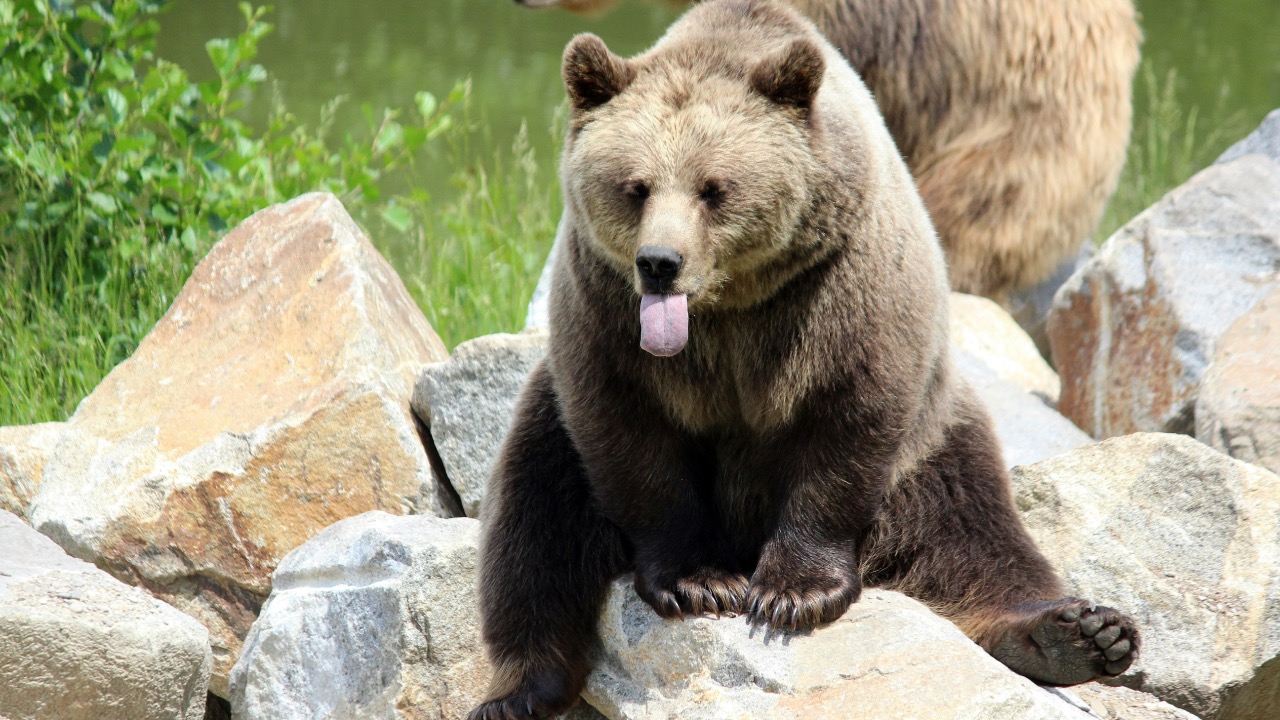
Interior grizzly bears combine size, speed, and a hair-trigger response to surprise that makes them a top threat to hunters still-hunting in thick cover. Profiles of the grizzly bear describe a powerful omnivore that can reach several hundred kilograms and accelerate faster than a human can sprint. Earlier analysis of dangerous game lists places the Grizzly alongside Kodiak Bear and Bull Moose as among the most dangerous large animals in North America.
For hunters, the steep, brushy basins where mature mule deer and elk hide are exactly where a sow with cubs may be bedded. One surprise encounter at close range can trigger a full-contact charge before a rifle can be shouldered. That risk is amplified when packing meat, since bears are drawn to carcasses and gut piles. Backcountry defense gun guides emphasize that hunters in grizzly terrain should carry heavy-caliber sidearms or shotguns in addition to their primary hunting rifle.
2. Coastal brown bears on salmon rivers
Coastal brown bears grow larger than interior grizzlies because of rich salmon runs and coastal forage, which makes them especially intimidating to hunters working river corridors. Biological references to the brown bear highlight a massive predator that can dominate shorelines, estuaries, and tidal flats. Dangerous game rankings group both brown and grizzly bears together as animals that can absorb significant punishment and still close the distance on a hunter.
On salmon rivers, hunters often quarter game or glass from gravel bars that are also prime travel corridors for these bears. The noise of rapids and wind can mask an approaching boar until it is uncomfortably close. Meat caches, rafts, and camps set near fish carcasses or gut piles become high-risk attractants. For guides and DIY hunters alike, the implication is clear: strict food storage, early detection with optics, and practiced firearm technique are nonnegotiable safety measures.
3. Black bears in heavily hunted forests
Black bears are more widespread than grizzlies and brown bears, which means more hunters share ground with them across North America. Wildlife references to the American black bear describe an adaptable omnivore that thrives near human activity. A separate profile of the same black bear species reinforces its role as a common predator and scavenger that can become food-conditioned.
Most black bears avoid conflict, yet predatory attacks and aggressive food-defense incidents do occur, especially where bears associate hunters with gut piles and unsecured coolers. Lists of dangerous North American predators consistently include Black Bear alongside Grizzly and Mountain Lion as serious threats. For backcountry hunters, that means treating every carcass as a potential bear magnet, hanging food and meat away from camp, and staying alert when calling elk or deer, since curious bears sometimes investigate distressed-animal sounds.
4. Mountain lions shadowing game trails
Mountain lions, also called cougars or pumas, specialize in ambush and can quietly shadow hunters who are moving along the same game trails. Wildlife profiles of the mountain lion emphasize a solitary predator that relies on stealth and explosive speed rather than endurance. Dangerous predator lists for North America routinely place Mountain Lion beside Black Bear and Grizzly as a serious concern for hikers, campers, and hunters.
Backpackers debating which animal is most dangerous often single out big cats when children are involved, with one discussion noting that with little kids, mountain lions would be “100%” the scariest. For hunters who move quietly at dawn and dusk, that same stealth can make them appear like vulnerable prey. The practical takeaway is to avoid field dressing with a hood up or ear protection blocking sound, to keep partners in visual contact, and to stay facing any lion that appears rather than turning and running.
5. Gray wolves around carcass sites
Gray wolves seldom target adult humans, yet they are highly efficient pack predators that can become aggressive around carcasses or when habituated to people. Ecological summaries of the gray wolf describe coordinated hunters that bring down large ungulates through teamwork and stamina. Lists of the most dangerous predators in North America include wolves among the animals that worry hunters, fishermen, campers, and hikers.
For backcountry hunters, the highest risk arises when packing out meat from an elk or moose that wolves have already claimed, or when calling predators and inadvertently drawing in a pack. Once wolves associate rifle shots with gut piles, they may close in quickly, even in daylight. That dynamic raises stakes for solo hunters, who must manage carcass sites efficiently, remain visible, and avoid leaving meat unattended overnight in active wolf territory whenever possible.
6. Wolverines at meat caches
Wolverines are smaller than bears or wolves but possess outsized strength, ferocity, and a reputation for taking over carcasses. Descriptions of the wolverine highlight a muscular mustelid that can travel huge distances and defend kills against larger predators. Additional references to the same wolverine species emphasize its powerful jaws and tenacity at carcass sites.
Hunters encounter wolverines most often when meat is cached in snow or hung in subalpine timber. A single wolverine can shred game bags, scatter quarters, and render a hard-earned animal inedible overnight. While direct attacks on people are rare compared with bears or big cats, the financial and logistical hit of losing an entire animal in remote country is significant. That risk pushes serious backcountry hunters to use solid meat poles, sturdy game bags, and secure cabins or panniers whenever wolverines are present.
7. American alligators in flooded timber
American alligators are apex ambush predators in southern swamps and river systems, where many hunters pursue waterfowl, feral hogs, or deer. Biological summaries of the American alligator describe a large crocodilian that can exceed 4 meters and launch explosive attacks from the water. Broader discussions of man-eating animals identify large crocodilians as among the species that sometimes prey on humans.
Backcountry-style hunts in flooded timber or remote marshes often require wading in murky water, retrieving birds, or using small boats in tight channels. In those conditions, an unseen alligator can be only a few meters away. The combination of low visibility, soft footing, and heavy gear makes quick escapes difficult. Responsible hunters adjust by avoiding swimming in prime alligator habitat, keeping dogs out of the water at dawn and dusk, and using boats or long poles for retrieval whenever possible.
8. Rattlesnakes on sun-warmed slopes
Rattlesnakes pose a different kind of threat, relying on venom rather than size, yet they are a leading danger for hunters in arid and semi-arid backcountry. Herpetology references to the rattlesnake group describe pit vipers that use heat-sensing pits and camouflage to ambush small prey. Lists of lethal predators in North America include venomous snakes alongside large carnivores as serious hazards for hikers and hunters.
Hunters often encounter rattlesnakes while sidehilling through talus, stepping over deadfall, or kneeling to glass from rock outcrops that hold sun-warmed reptiles. A single bite can trigger a medical emergency far from help, with swelling, tissue damage, and systemic effects that complicate self-evacuation. That reality makes snake gaiters, careful foot placement, and a habit of checking handholds before climbing rock faces or ledges essential safety practices for anyone chasing game in snake country.

Asher was raised in the woods and on the water, and it shows. He’s logged more hours behind a rifle and under a heavy pack than most men twice his age.