The Rare Firearms That Disappear From Auctions in Minutes
Spend enough time watching online auctions or sitting in a crowded sale room and you start to notice a pattern. Certain guns don’t linger. They barely hit the catalog before the bidding jumps, and if they’re priced fairly, they’re gone in minutes. It’s not luck. It’s a mix of scarcity, condition, history, and collector demand that’s been building for decades.
You don’t have to be chasing museum pieces to see it happen. Some of these firearms were working guns in their day. Others were expensive from the start. What they share now is limited supply and serious buyer interest. When one shows up clean and original, you’d better be ready.
Colt Single Action Army (1st Generation)
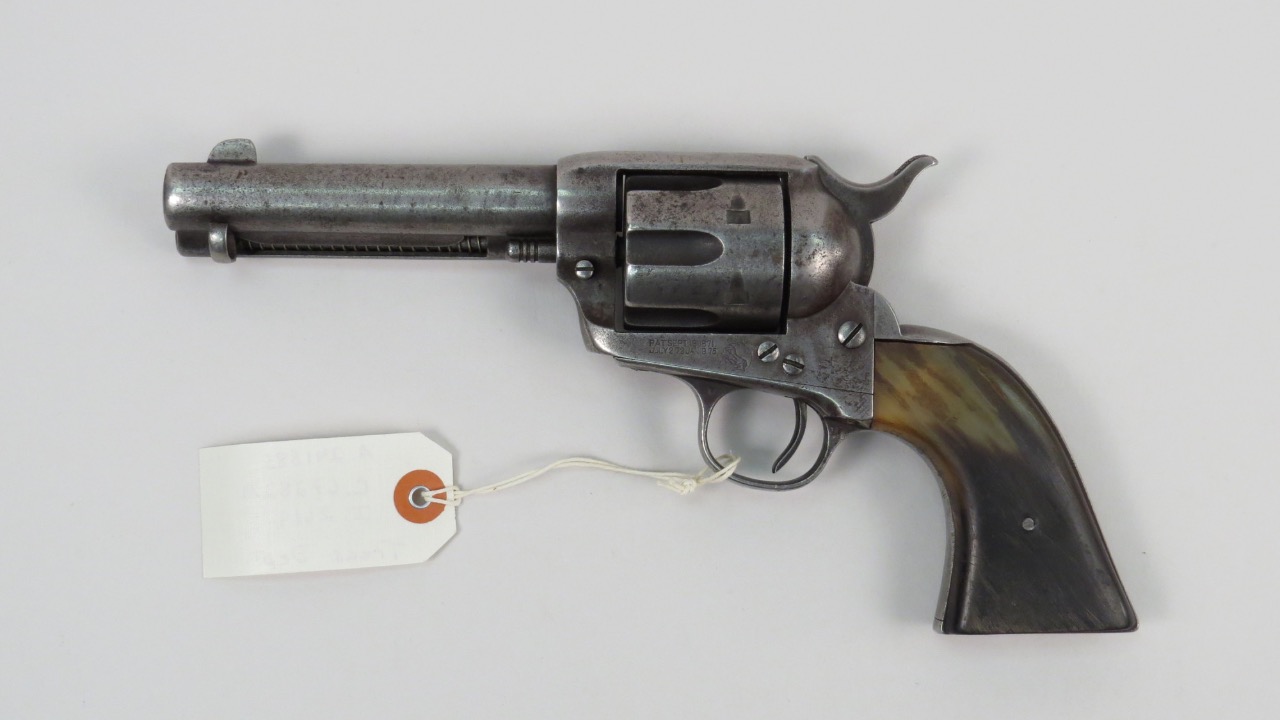
When a clean 1st Generation Colt Single Action Army hits an auction, serious collectors move fast. These revolvers, produced between 1873 and 1941, carry historical weight and strong demand. Original finish, matching numbers, and documented provenance can send bidding into a frenzy within minutes.
You’ll notice that condition is everything. Reblued guns or mismatched parts cool interest quickly, but untouched examples rarely sit long. Western history, military contracts, and early production runs all add to the urgency. Buyers know that another comparable example may not surface for months, sometimes years.
Winchester Model 1895 (Russian Contract)
The Russian contract Winchester Model 1895 rifles chambered in 7.62x54R have a loyal following. These were part of a massive order during World War I, and many saw hard service. Finding one today with original markings and intact wood is getting tougher every year.
Collectors look closely at crest markings, stock cartouches, and overall originality. When an example surfaces that hasn’t been altered or refinished, bidders recognize the rarity. You’ll see sharp competition because supply is finite, and interest in military lever guns continues to grow.
Smith & Wesson Registered Magnum
The Smith & Wesson Registered Magnum, introduced in 1935, was the first production .357 Magnum revolver. Each one came with a registration certificate and custom options chosen by the buyer. That individuality drives collector demand today.
Matching registration paperwork, original finish, and correct barrel lengths bring intense bidding. These revolvers represent a turning point in handgun history. When a documented example appears, especially with factory letter verification, buyers don’t hesitate. They understand how few complete packages still exist.
Heckler & Koch P7 (German Police Surplus, Early Production)
Early production HK P7 pistols, particularly German police surplus examples in strong condition, tend to disappear quickly. The squeeze-cocker design is unique, and the pistol’s reputation for accuracy and engineering keeps demand steady.
Collectors pay attention to heel releases, import markings, and overall finish wear. As supply of clean examples shrinks, buyers act quickly when a well-preserved model shows up. You’ll often see bidding spike early, especially if the original box and accessories are included.
Browning Superposed (Early Belgian Production)
Early Belgian-made Browning Superposed shotguns carry weight among double-gun collectors. Hand-fitted in Belgium under John Browning’s design, these over-unders represent old-world craftsmanship that’s harder to find today.
Condition of the wood, engraving detail, and original finish all matter. Field-grade guns move quickly, but higher-grade examples can ignite immediate bidding wars. You’ll find that serious buyers track serial number ranges and production years closely. When the right one appears, hesitation isn’t part of the plan.
Colt Python (1950s Production)
Early Colt Python revolvers from the 1950s are in a different category than later production runs. High-polish Royal Blue finish and hand-fitting from that era make them stand out. Collectors who know the difference don’t wait around.
Box, papers, and correct grips push value higher. Even lightly used examples generate strong interest, and pristine guns rarely stay available for long. You can watch the bids climb rapidly as multiple buyers recognize that early production Pythons aren’t becoming more common.
Winchester Model 21
The Winchester Model 21 is one of the strongest American-made side-by-side shotguns in terms of reputation and value retention. Built to compete with fine European doubles, it was expensive from the beginning and produced in relatively limited numbers.
Collectors pay attention to custom features, barrel length, choke configuration, and factory letters. High-condition examples often trigger fast, aggressive bidding. When you see an unmodified Model 21 with documented history, you’re watching a piece that serious buyers have been waiting for.
Pre-64 Winchester Model 70 (Rare Chamberings)
While standard pre-64 Model 70 rifles are always desirable, rare chamberings are what truly vanish from auctions. Cartridges like .35 Remington or .300 H&H in original configuration create urgency among collectors.
You’ll see interest spike when original stocks, correct sights, and matching finish are intact. Rebarreled or altered rifles don’t move the same way, but untouched examples in scarce calibers generate immediate attention. Buyers understand how few remain in factory form.
U.S. M1 Garand (Correct Grade, WWII Production)
World War II production M1 Garands that remain in correct configuration don’t sit long. Collectors look for matching manufacturer parts, proper barrel dates, and original finish. A truly correct rifle is harder to find than many realize.
When documentation supports authenticity, bidding accelerates quickly. You’re not looking at a casual purchase; you’re seeing history in steel and walnut. Serious collectors watch for these rifles and act quickly when a well-preserved example surfaces.
Mauser C96 “Broomhandle” (Matching Numbers)
The Mauser C96, often called the Broomhandle, draws strong attention when numbers match and condition is solid. Variations, wartime contracts, and original finish all influence how fast one disappears.
Holsters, shoulder stocks, and period accessories increase interest even more. You’ll see collectors examine markings and serial ranges closely. When everything lines up, bidding moves fast because original, matching examples are steadily drying up in the marketplace.
If you spend time tracking auctions, you start to recognize these patterns. The guns that vanish quickly aren’t random picks. They’re the ones backed by history, condition, and scarcity. When one appears, serious buyers don’t wait for a second chance.

Asher was raised in the woods and on the water, and it shows. He’s logged more hours behind a rifle and under a heavy pack than most men twice his age.