What to do if you’re followed by a cougar, according to experts
Cougar encounters are rare, but when they happen they unfold fast and punish hesitation. The difference between walking away shaken and not walking away at all often comes down to whether you know how to read the cat and respond with the right kind of aggression. If you ever realize a mountain lion is shadowing you on the trail, you need a clear plan you can run on instinct.
I have spent years talking with wildlife officers, search‑and‑rescue volunteers, and backcountry hunters about those plans, and their advice lines up: you want to look like a problem, not prey. That means understanding how cougars hunt, how to keep them from closing the distance, and how to fight if they do.
Know how cougars actually behave before you panic
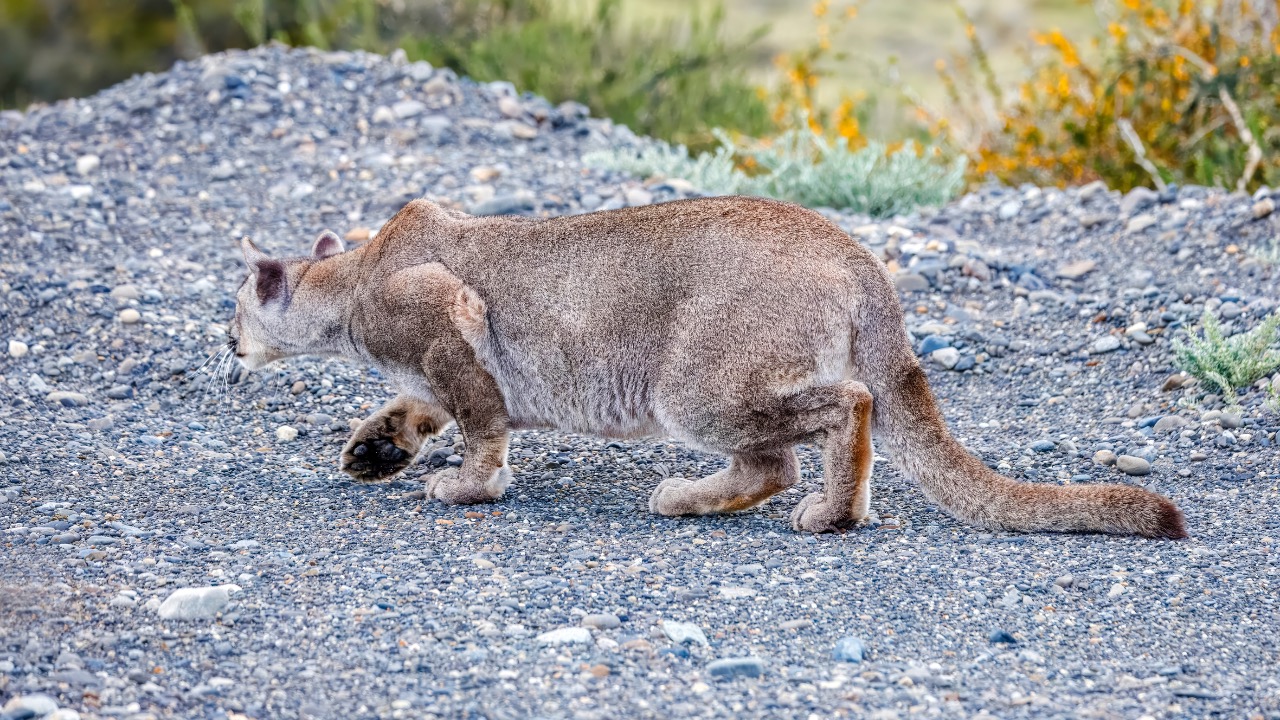
The first thing I remind people is that cougars are ambush predators that prefer to avoid humans, not Hollywood monsters that leap at every hiker they see. Wildlife agencies describe mountain lions as solitary, mostly nocturnal hunters that key in on deer and other ungulates, and they usually slip away long before we notice them, which is why encounters are described as rare in official safety guidance. That matters, because if you suddenly spot a cat at a distance, the odds are still in your favor as long as you stay calm and start doing the right things.
Understanding their body language also helps you judge the situation. A cougar that is simply watching from cover or crossing a slope may not be targeting you, while one that is following, crouching, or using terrain to stay hidden is acting more like a hunter. Agencies that manage lion country, from federal land managers to state biologists, stress that attacks are extremely uncommon compared with the number of people who hike and hunt in these areas every year, but they also spell out that a lion that appears to be stalking or approaching should be treated as a serious threat, not a curiosity, in their public living‑with‑lions advisories.
Recognize when you are being followed, not just watched
There is a big difference between catching a glimpse of a cat slipping through timber and realizing one has been pacing you for a quarter mile. When a cougar is following, you will often notice it appearing repeatedly behind you on the trail, paralleling you on a slope, or using brush and rocks to stay screened while it keeps closing the angle. Wildlife officers describe this kind of trailing behavior as a red flag that the lion may be assessing you as potential prey, which is why state and federal safety pages tell people to respond firmly the moment they suspect they are being stalked.
Sometimes the first sign is not visual at all but a prickle on the back of your neck when you realize you have heard the same soft footfalls or rock slides behind you more than once. Search‑and‑rescue volunteers in lion country talk about hikers who only understood what was happening when they finally turned and saw a cat standing in the trail where they had been a minute earlier, which is why they urge people to stop, look, and listen instead of power‑walking away when something feels off, a point that comes through in SAR debriefs from cougar incidents.
First moves: stop, stand tall, and face the cat
If you realize a cougar is following you, your first move is to stop and stand your ground. Do not run, and do not turn your back. Wildlife agencies repeat that advice almost word for word: hold your position, face the animal, and make yourself look as large and confident as you can, because running can flip a switch in a predator that is wired to chase fleeing prey, a point hammered home in state mountain lion guidance.
That means squaring up to the cat, planting your feet, and lifting your arms, trekking poles, or pack to increase your profile. Federal land managers tell visitors to maintain eye contact and speak firmly while slowly backing away only if there is a clear path and the lion is not advancing, advice echoed in park safety materials. The key is to show the cougar that you see it, you are not panicking, and you are prepared to defend yourself if it comes closer.
Make yourself look like a threat, not prey
Once you are facing the cougar, you want to convince it that you are dangerous to mess with. That means raising your voice, yelling, clapping, and using whatever you are carrying to look bigger and more unpredictable. One state agency in the Pacific Northwest puts it bluntly: the idea is to convince the cougar that you are not prey but a potential danger, advice that appears in their public cougar guidance after a high‑profile attack.
Do not crouch, do not bend over to pick up your pack, and do not make yourself smaller. Federal recreation managers warn that crouching or turning away can make you look more like typical prey and can also expose your neck and back, which are the targets big cats prefer, a point they underline in their mountain lion safety notes. If you need rocks or sticks to throw, grab them without breaking eye contact or dropping into a low, submissive posture.
What never to do: running, turning away, or approaching
There are three hard nos that come up in every serious cougar briefing I have ever sat through: do not run, do not turn your back, and do not walk toward the cat. Running can trigger a chase response, turning away can invite a rush from behind, and closing the distance can make a cornered lion feel it has to defend itself. Trail safety campaigns spell this out in plain language, warning hikers that sprinting away from a cougar makes it even more likely to chase, a point repeated in predator‑response advice.
At the same time, you do not want to march straight at the animal in some kind of bluff charge. Regional trail safety campaigns tell people not to approach a cougar and not to close the gap as it might think you are threatening it, which can provoke an attack, a warning spelled out clearly in trail‑safety explainers. Your job is to hold your ground, keep the cat in front of you, and only move in a controlled way that maintains your advantage.
Use your voice, your gear, and your group
Once you are squared up, use every tool you have to tip the odds. That starts with your voice. Speak loudly, shout, and use firm, confident tones. In one widely shared video of a Utah runner being shadowed by a lion, experts later pointed out that the runner did the right thing by keeping the cat in sight, backing away slowly, and using his voice to sound like a threat, behavior that matches what federal recreation managers advise when they tell people to maintain eye contact and face the animal while standing, guidance summarized in a video breakdown.
If you are with other people, close ranks and stand shoulder to shoulder so you look like one large, noisy unit instead of scattered individuals. Wildlife agencies in lion country tell hikers to stay in groups of two or more and to put children in the middle of the group if a cougar appears, advice that shows up in Canadian attack‑survival tips. Trekking poles, bike frames, and even a lifted backpack can all help you look larger and give you something to swing or throw if the cat keeps coming.
If the cougar charges or attacks, you fight
Every official cougar briefing eventually lands on the same bottom line: if a mountain lion attacks, you fight back with everything you have. That means targeting the cat’s face and eyes with fists, rocks, sticks, or any tool you can reach. State wildlife agencies tell people to stay on their feet if possible, protect their head and neck, and keep swinging, advice that shows up in multiple cougar‑safety guides.
Real‑world attacks back that up. In Washington, investigators have described how victims who fought hard, yelled, and tried to stay upright had a better chance of surviving than those who curled up or went limp, a pattern that has been discussed in detailed attack reports. The goal is not to win a fair fight with a stronger animal, it is to convince the cougar that you are too costly to kill so it breaks off and looks for an easier target.
Preventing a cougar encounter before it starts
The best cougar encounter is the one that never happens, and there is a lot you can do on the front end to stack the deck. Wildlife agencies urge people to keep kids close, avoid hiking alone at dawn and dusk when lions are most active, and leave dogs leashed so they do not run ahead and trigger a chase, advice that is spelled out in detail in state living‑with‑cougars guidance. Making noise as you move, especially in thick cover or along game trails, also gives a cat time to slip away before you surprise it at close range.
At home, the same agencies tell rural residents to secure garbage, feed pets indoors, and avoid leaving attractants like deer carcasses or livestock feed near the house, all of which can draw lions into closer contact with people and pets, recommendations that appear in official home‑safety bulletins. In popular hiking regions, local land managers have also pushed out seasonal reminders about traveling in groups, carrying deterrents like bear spray, and knowing how to report a sighting, messages that have been highlighted in regional trail‑safety coverage.
Learn from real encounters and keep perspective
When you watch actual cougar encounters on video or read through incident reports, a pattern emerges: people who stayed calm, faced the cat, and used their voices and gear aggressively usually walked away. Conservation groups have produced step‑by‑step explainers that walk viewers through what to do if they see a lion on the trail, emphasizing the same core points of standing tall, speaking firmly, and never running, as in one widely shared encounter video. Other educational clips break the response into simple steps like maintaining eye contact, removing sunglasses so the cat can see your eyes, and using your pack as both shield and weapon, advice that is laid out in a popular how‑to demonstration.
At the same time, it is worth remembering that the odds are still on your side. State and federal agencies repeatedly stress that attacks are rare compared with the number of people who live, work, and recreate in lion country, a point that shows up in both national safety summaries and local lion‑management pages. Search‑and‑rescue teams and backcountry hunters who spend thousands of hours in these landscapes may go their entire careers without a close cougar encounter, a reality that comes through in group field reports. The goal is not to be afraid of the woods, it is to respect the predators that live there and to know exactly what to do if one of them decides to follow you.

Asher was raised in the woods and on the water, and it shows. He’s logged more hours behind a rifle and under a heavy pack than most men twice his age.