“Deer drive” hunt turns deadly, criminal charge filed after fatal shooting
Deer drives have been part of American hunting culture for generations. When they’re done right, they’re organized, controlled, and rooted in clear communication. But when one piece breaks down — a missed signal, a rushed shot, a hunter stepping out of position — the results can be permanent.
When a deer drive ends in a fatal shooting and criminal charges follow, you’re reminded that this isn’t only a hunting story. It’s a legal one. It’s a family one. And it’s a cautionary tale for anyone who steps into the woods with other shooters spread across a section line.
How a Deer Drive Works — and Where It Can Go Wrong
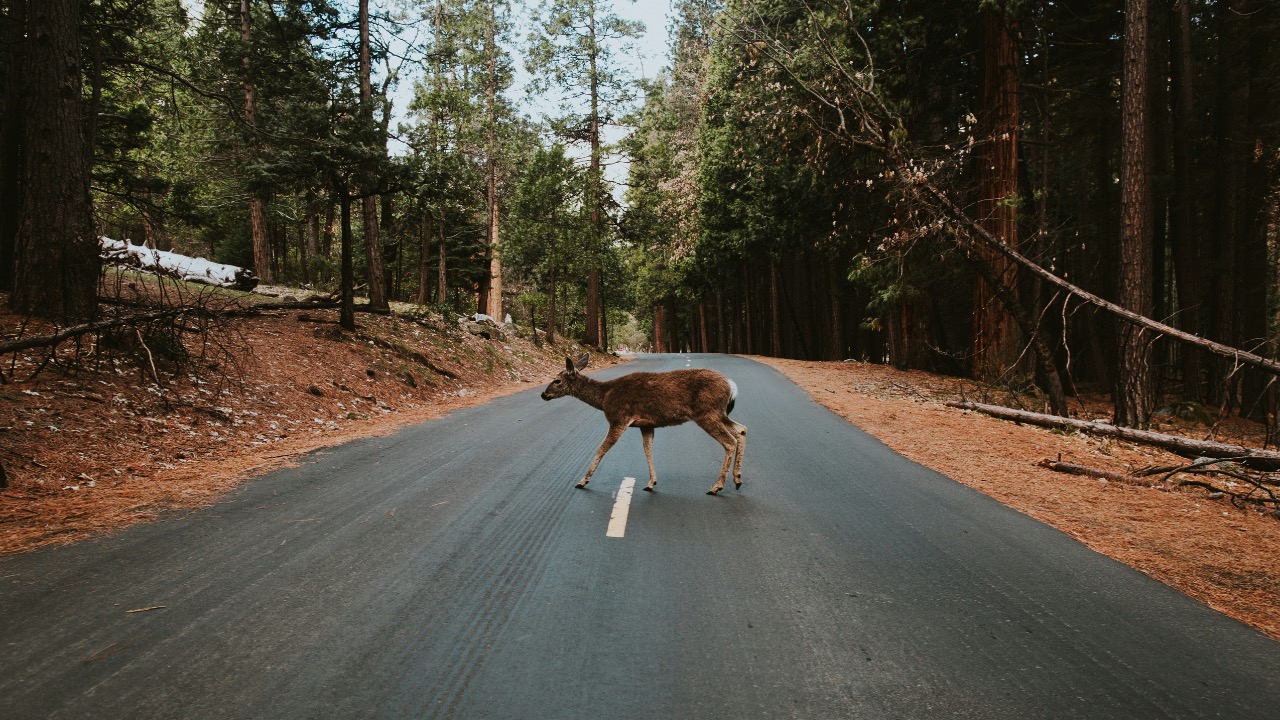
In a typical deer drive, you have drivers pushing cover while standers wait on escape routes. It sounds straightforward, but the moving parts create risk. You’re dealing with shifting angles, limited visibility, and adrenaline that spikes the second a deer breaks cover.
The problem is that movement can be mistaken for game. A hunter out of position, wearing muted colors, or walking back to the truck at the wrong time can be mistaken for a deer slipping through brush. When you combine motion, noise, and split-second decisions, small lapses turn into irreversible mistakes.
Target Identification Is the Line You Can’t Cross
Every hunter hears it: identify your target and what’s beyond it. On a drive, that rule becomes harder to follow. You may see flashes of brown, hear crashing brush, or catch only partial glimpses through timber.
If you pull the trigger without full confirmation, you’re gambling. In fatal drive incidents, investigators often focus on whether the shooter positively identified the target. If you fired at sound, movement, or color alone, that decision can form the basis of a criminal charge. That single moment — what you saw and what you thought you saw — becomes the center of the case.
Safe Zones of Fire Matter More Than You Think
Before a drive starts, you’re supposed to establish zones of fire. That means you know exactly where you can shoot and where you cannot, regardless of what runs through. In theory, it’s clear. In practice, it gets blurry when deer appear.
When a hunter swings past a safe zone and fires toward another stander’s position, prosecutors look at whether that line was discussed beforehand. If it was, and you ignored it, that decision carries weight in court. Safe zones aren’t suggestions. They’re boundaries designed to keep everyone alive.
Communication Breakdowns Create Deadly Gaps
Modern drives often use radios or text threads to coordinate movement. But poor reception, unclear signals, or assumptions about someone’s location can unravel the plan.
If one hunter leaves early, shifts position, or fails to confirm their location, others may still think that lane is clear. After a fatal shooting, investigators reconstruct who knew what and when. If you fired based on outdated assumptions, that breakdown becomes part of the criminal inquiry. Clear communication isn’t optional on a drive. It’s part of your responsibility.
Adrenaline Changes How You Process Risk
Even experienced hunters feel it — that surge when a buck breaks from cover. Your vision narrows. Your focus tightens. You move faster than you intended.
In fatal drive cases, you often see shooters admit they reacted quickly. Maybe too quickly. The law doesn’t make allowances for adrenaline. If you failed to confirm your backdrop or rushed a shot through brush, that impulse can translate into charges like negligent homicide or reckless discharge. The woods don’t care how excited you were. Neither does a courtroom.
What Criminal Charges Usually Hinge On
When a drive ends in a fatality, charges often revolve around negligence. That means investigators examine whether you acted in a way a reasonable hunter would consider unsafe.
They’ll look at visibility, distance, established zones of fire, and whether alcohol was involved. They may reconstruct the shot path and determine if you fired at movement instead of a clearly identified deer. If prosecutors believe your actions showed disregard for safety standards, you can face felony charges. A hunting accident can quickly become a criminal case.
Civil Liability Follows the Criminal Case
Even if criminal proceedings play out first, civil lawsuits often follow. The family of the deceased may pursue wrongful death claims, arguing that you failed to meet basic hunting safety obligations.
In those cases, your words, training history, and past behavior may be scrutinized. Did you attend hunter safety? Did you discuss zones of fire that morning? Were you known for taking risky shots? A jury doesn’t need proof beyond a reasonable doubt in civil court. Financial consequences can last decades, even if prison time doesn’t.
The Hard Lessons Every Hunter Should Take
If you participate in deer drives, you need discipline that doesn’t bend under pressure. That means no shooting at sound. No firing through thick brush at uncertain shapes. No ignoring agreed-upon shooting lanes.
You also need bright clothing, confirmed positions, and a plan for ending the drive before anyone moves. Fatal drive incidents don’t happen because someone woke up intending harm. They happen because small decisions stack up in the wrong direction. When a criminal charge follows, you’re reminded that safety rules aren’t tradition — they’re survival.

Asher was raised in the woods and on the water, and it shows. He’s logged more hours behind a rifle and under a heavy pack than most men twice his age.