Could you stop a charging bear? How to use bear spray correctly when seconds matter
Bear spray works—but only when you understand what it actually does and how fast things unravel when a bear commits. Charges happen quicker than most folks expect, often inside of 40 yards, and they’re usually loud, chaotic, and over in seconds. Spray isn’t a magic shield. It’s a tool that buys you space by overwhelming a bear’s senses long enough to break the charge.
Used wrong, it’s dead weight on your belt. Used right, it’s one of the most effective deterrents ever tested in real encounters. The details matter: carry method, wind, timing, and follow-through. This isn’t theory. This is how it works when your heart rate spikes and the bear doesn’t slow down.
What Bear Spray Actually Does to a Charging Bear
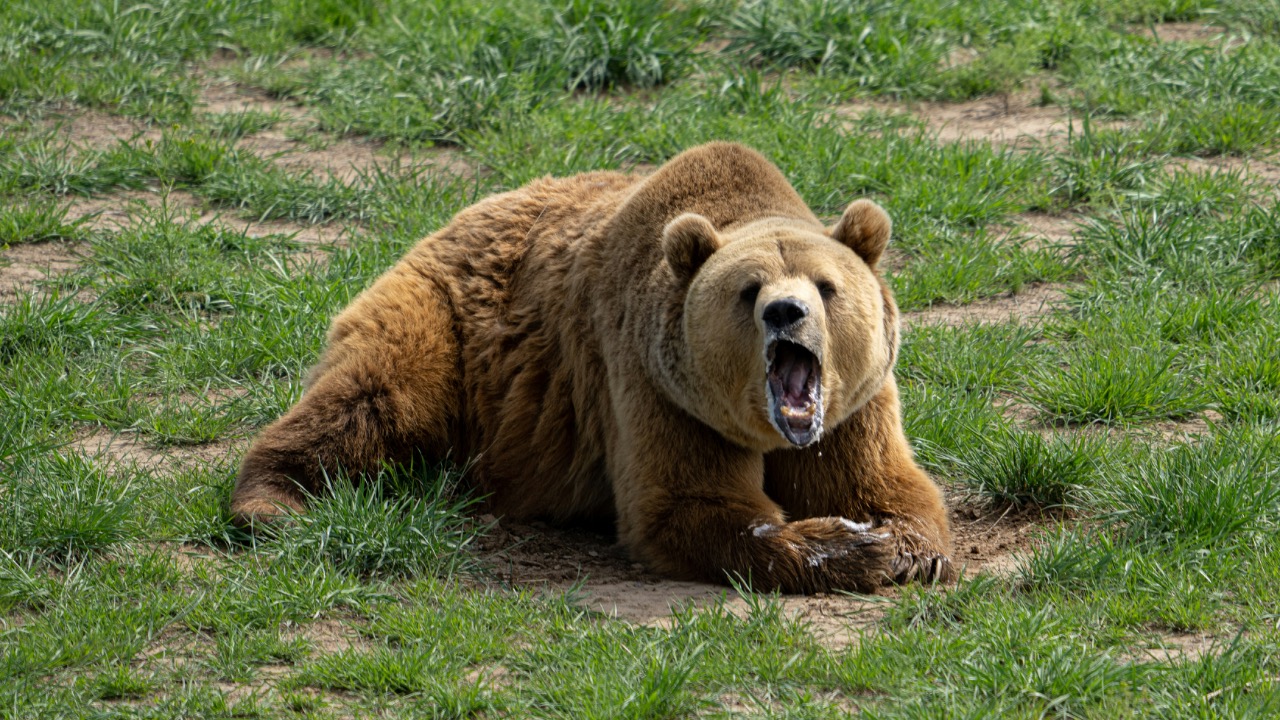
Bear spray doesn’t knock a bear down or cause pain the way people imagine. It overwhelms the eyes, nose, and lungs with a dense capsaicin cloud that forces a hard sensory shutdown. Bears rely heavily on smell and vision at close range, and spray disrupts both instantly.
That disruption creates hesitation, head shaking, coughing, or a full break-off. The key is saturation in front of the bear’s face, not tagging fur or drifting mist. Studies tracked by groups like the Interagency Grizzly Bear Committee show high success rates when spray is deployed correctly. When it fails, it’s almost always due to late deployment, poor aim, or wind misuse—not because the bear “powered through.”
Distance Is Everything When Seconds Matter
Most successful spray deployments happen between 20 and 35 feet. Any farther and the cloud thins. Any closer and you’re reacting instead of controlling space. That window closes fast when a bear is covering ground at 30 miles per hour.
You don’t wait until the bear fills your vision. You spray when the charge becomes committed—head down, ears back, direct line. Hesitation costs distance, and distance is your margin. The goal isn’t bravery or restraint. It’s creating a wall the bear has to hit before it reaches you. That decision point happens earlier than most people expect, and practicing that timing matters more than strength or size.
Why Wind Can Save You or Ruin You
Wind direction changes everything. A light crosswind can help spread the cloud wider, but a headwind can push spray back into your own face. That’s not just uncomfortable—it can shut you down when you need to stay upright and aware.
You adjust by angling your spray slightly downward and leading the bear’s path, not spraying straight ahead. If wind is strong, shorter controlled bursts work better than dumping the can. You’re painting a barrier, not fogging the air. Knowing wind before you need spray is part of situational awareness. If you wait until the bear is close to think about wind, you’re already behind the problem.
How Carry Method Affects Reaction Time
Bear spray buried in a pack might as well not exist. Real encounters don’t give you time to dig. Spray belongs on your belt, chest strap, or shoulder harness where your dominant hand finds it without thought.
Practice matters here. Drawing the can, popping the safety clip, and orienting the nozzle should be automatic. Fumbling with the clip under stress is common and avoidable. You don’t rise to the moment—you fall back on repetition. A half-second delay feels small on the range. In a charge, it’s the difference between a controlled deployment and spraying as the bear is already inside your space.
Why Short Bursts Beat Emptying the Can
Emptying the can in panic often creates a thin, drifting cloud that the bear can push through. Short, deliberate bursts build density and let you adjust as the bear reacts. Most cans give you several seconds of total spray—use them with intent.
You start low, sweep upward, and keep the cloud between you and the bear. If the bear veers, you adjust. If it breaks off, you stop spraying. Wasting spray after the charge ends leaves you defenseless if the bear circles back. Control matters more than volume, and restraint under stress is a skill you can train.
What to Do After the Charge Breaks
When the bear turns away, you don’t chase it with spray and you don’t relax. You back out slowly, keep eyes up, and stay ready. Some bears re-engage if they regain their senses quickly.
You also avoid running unless terrain forces it. Tripping after a spray deployment is a real risk, especially if you caught any blowback. Once you reach a safe distance, you leave the area. Bears often remain nearby after an encounter. Spray ended the problem—it didn’t reset the landscape. Treat the area as active until you’re well clear and calm enough to think again.
Why Spray Beats Firearms for Most People
Firearms require precision under extreme stress, perfect shot placement, and legal clarity. Spray requires timing and positioning, which are easier to execute when adrenaline floods your system.
That doesn’t make spray foolproof, but it does make it more forgiving. It also works across species and encounter types, including bluff charges and defensive sows. Many experienced guides carry both, but rely on spray first because it solves more problems with fewer variables. When seconds matter and conditions aren’t perfect, spray gives you the highest margin for error—and that’s what survival tools are supposed to do.

Asher was raised in the woods and on the water, and it shows. He’s logged more hours behind a rifle and under a heavy pack than most men twice his age.