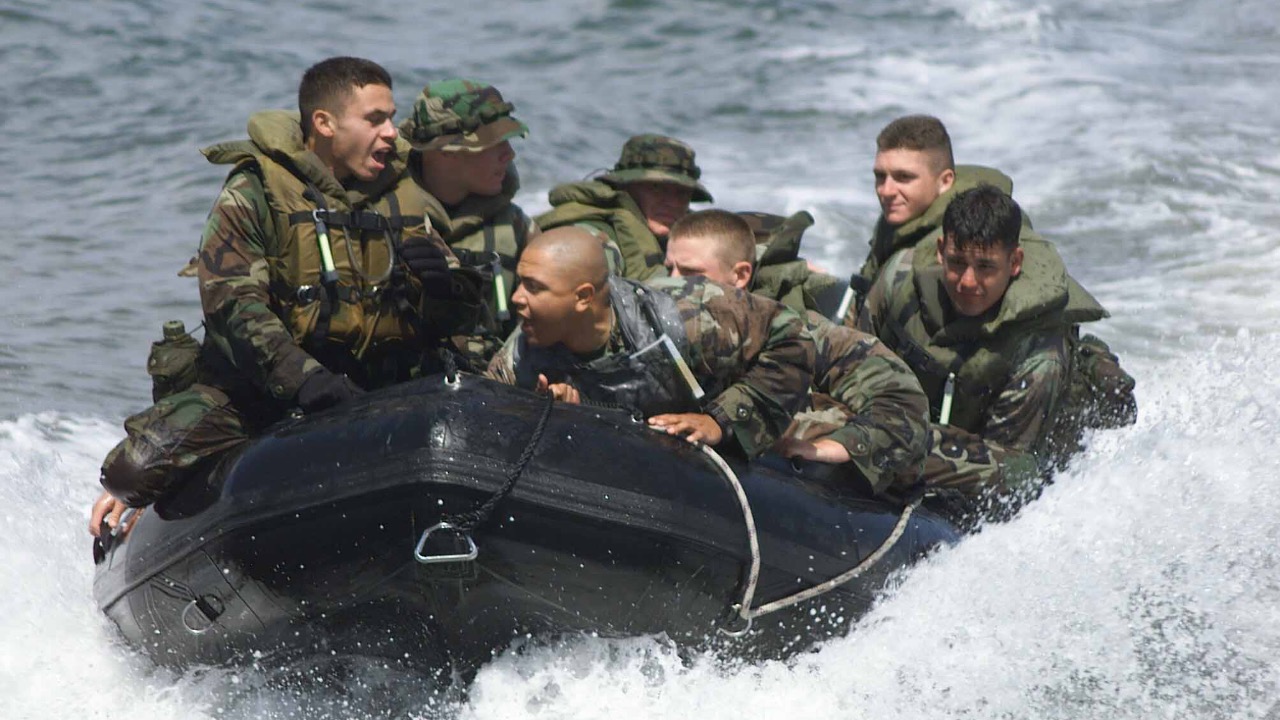
U.S. Military Begins Operations in Ecuador
When U.S. and Ecuadorian forces announced military operations in Ecuador, it marked a notable shift in how Washington is engaging on the ground in Latin America. This isn’t a simple advisory mission or training exercise — it is a military operation with active involvement alongside Ecuador’s armed forces against criminal groups classified as “Designated Terrorist Organizations.” Both governments have been tight-lipped about specifics, but official statements make clear the intent: confront drug trafficking and violent cartel activity that has overwhelmed parts of Ecuador in recent years.
The move reflects growing cooperation between the United States and Quito, driven by security pressures on both sides. Ecuador has seen drug-related violence spike dramatically, pushing its government to lean on international partners. For the U.S., this comes amid a broader regional push to counter drug smuggling routes and instability. The operation is being framed as a collaborative effort rather than a unilateral U.S. incursion, but it still represents one of the most significant U.S. deployments in South America in recent memory.
The Scope of the Joint Operation
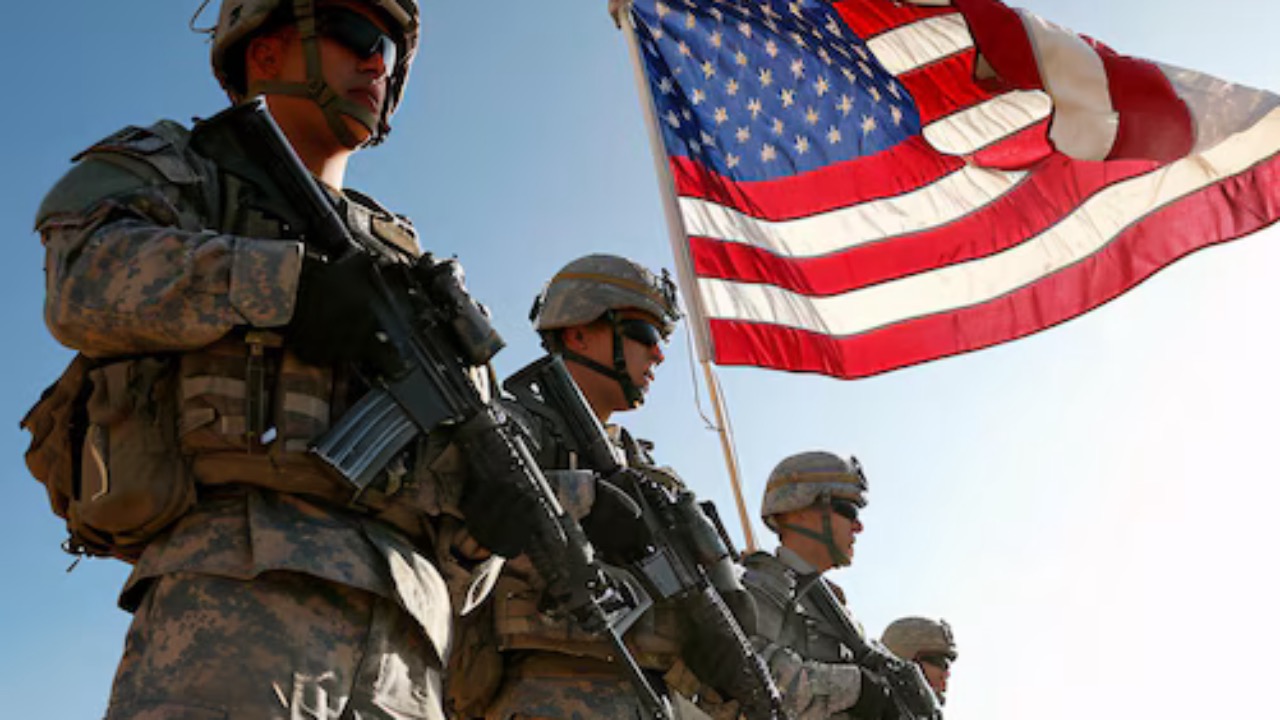
U.S. Southern Command said the joint operations launched on March 3 involve military forces working directly with Ecuadorian units to take on organized crime inside Ecuador. That announcement highlighted “decisive action” against narco-terrorist groups that long fueled violence and corruption across the region.
Both sides have kept operational details classified, releasing only limited visuals such as aircraft and troops in motion. This restraint suggests that locations, unit roles, and tactical objectives are sensitive. In public statements, leaders have underscored the seriousness of the mission, with Southern Command emphasizing the importance of partnership with Ecuador’s armed forces. Ecuadorian officials, for their part, are portraying the effort as part of a broader crackdown on criminal networks that have used the country’s ports and borders as staging areas for cocaine shipments.
Strategic Context: Ecuador’s Role in Drug Trafficking
Ecuador has become a critical transit hub in the global cocaine trade, with large quantities of drugs produced in neighboring Colombia and Peru moving through its territory to markets in the United States and Europe. Around 70 % of that flow passes through Ecuador’s coastal ports and overland routes, a dynamic that has fueled turf wars among rival cartels.
That surge in trafficking has coincided with rising violence, pushing Ecuador from one of Latin America’s historically safer nations into one of its most dangerous. The government’s push for foreign assistance — even after voters rejected reopening a permanent U.S. base — reflects the urgency of the situation. Both intelligence sharing and operational coordination were discussed at recent meetings between Ecuador’s president and U.S. military leaders, indicating a broader security partnership.
Who the U.S. Is Targeting
Statements from Southern Command describe the targets of the operation as “Designated Terrorist Organizations,” a classification used to describe armed groups involved in drug trafficking, violence, and corruption. While specific cartel names have not been widely publicized by U.S. or Ecuadorian sources, this language indicates a focus on entrenched criminal organizations that have resisted traditional law enforcement efforts.
This approach parallels recent U.S. actions in the region, where cartel leaders have been pursued using a mix of intelligence, military support, and allied cooperation. Designated groups often blend conventional criminal activity with paramilitary capacity, making them harder to dismantle without capable partners on the ground. The joint nature of the operation suggests Ecuadorian forces will lead much of the direct action, with U.S. support in intelligence, logistics, and specialized units.
U.S. Forces on the Ground
While official releases are sparse, reports indicate that U.S. Special Forces and other military elements are present in Ecuador as part of these operations. Southern Command’s leadership and the head of U.S. Special Operations in the region met with Ecuador’s president in Quito shortly before the launch, discussing cooperation and intelligence sharing.
This isn’t the first time U.S. forces have operated in Ecuador in recent years. A temporary deployment of Air Force personnel to support anti-drug efforts at the Manta air base preceded these actions, and earlier joint counter-narcotics missions saw U.S. units advising and assisting local forces. The current operation builds on that foundation but signals a more active role under a new security mandate.
Domestic Reaction in Ecuador
Ecuador’s government has embraced international assistance, but public sentiment is mixed. A referendum in late 2025 rejected lifting a ban on permanent foreign military bases, reflecting wariness about extended foreign military presence. Still, the president has pursued cooperation with the U.S. and other allies to tackle the escalating cartel violence.
Local authorities are also grappling with internal pressures: curfews were imposed earlier this month in several provinces hit hardest by crime, and the government has sought international backing for policing and military efforts. The joint operation with the U.S. is framed domestically as a necessary escalation, but it comes with political risk given Ecuadorians’ historical resistance to foreign bases.
Regional Implications
This operation marks a notable escalation in U.S. military activity in South America. Past U.S.-led actions in Latin America focused on maritime interdiction of smuggling vessels or advisory roles, but the land-based nature of this mission suggests a willingness to engage more directly with criminal networks inside sovereign territories.
For neighboring countries facing similar cartel pressures, the Ecuador mission could signal a shift in regional security cooperation. It reinforces U.S. commitment to supporting allied efforts against transnational crime, even in countries with complex domestic politics. How this operation evolves will likely influence how other nations perceive Washington’s role in hemispheric security.

Asher was raised in the woods and on the water, and it shows. He’s logged more hours behind a rifle and under a heavy pack than most men twice his age.