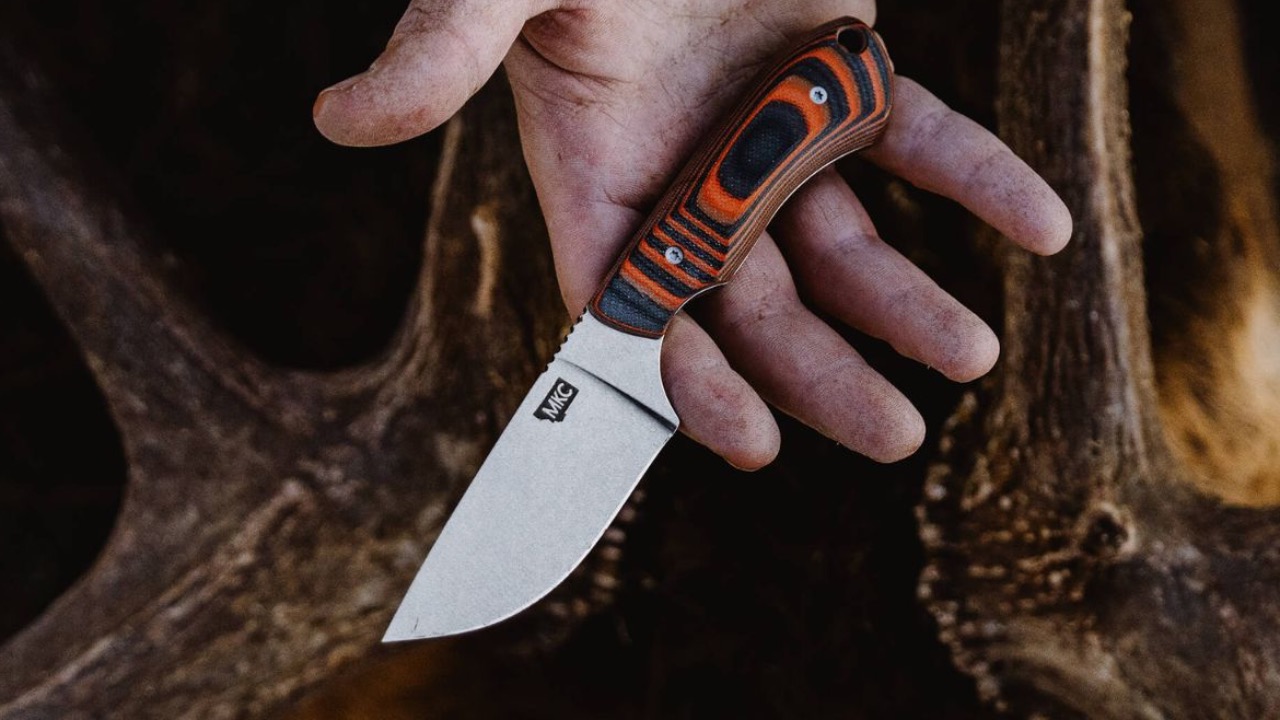
What Experienced Bushcrafters Look for in a Knife
When you spend real time living out of a pack, a knife stops being gear and turns into life support. Experienced bushcrafters are picky about blades not because they are gear snobs, but because they have learned, usually the hard way, which details matter when the weather turns and the miles stack up. The right knife has to carve, split, cook, and sometimes keep you alive, all while riding on your belt day after day.
What seasoned woodsmen look for is not the flashiest steel or the wildest handle material, but a tool that fits their hand, matches their terrain, and holds up to years of abuse. The patterns are remarkably consistent: a certain size range, a fixed blade, a tough grind, and a handle that disappears in your palm until you need it to lock in.
What Bushcraft Really Demands From a Knife
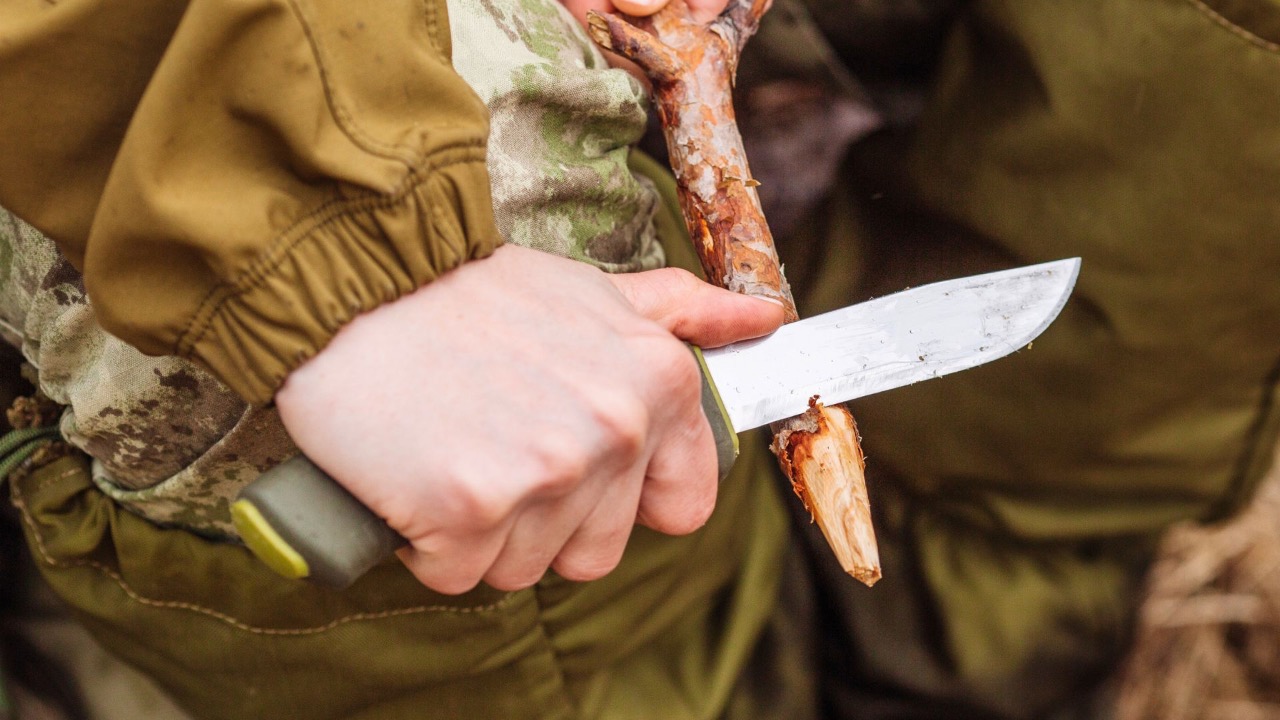
Before arguing about steels and grinds, I start with what bushcraft actually means in practice. At its core, bushcraft is the ability to stay in the wilderness for long stretches and meet your needs with what you can make, find, and fix on site. One description of Bushcraft spells it out as staying in the wild for a longer period and getting everything you need with the help of nature, which is exactly the environment where your knife has to earn its keep. That means carving tent pegs, shaping traps, processing firewood, and breaking down food, not posing for photos on a tailgate.
On forums, experienced hands keep reminding newcomers that bushcraft is simply the skill set of an outdoorsman, not a separate sport. One long-running Sep discussion points out that even a filet knife can be a bushcraft tool if the task calls for it, which underlines the point: the job defines the knife, not the label on the box. When I evaluate a blade, I picture the real work it will see over a week in the woods, then ask whether the design helps or fights those tasks.
Fixed Blade First: Why Construction Matters
Veteran bushcrafters overwhelmingly reach for a fixed blade. A folding knife has its place, but when your shelter, fire, and food prep all run through one tool, you want a solid spine with no moving parts. A detailed guide to a Beginner Bushcraft Knife lists a Fixed Blade as one of the Essential Features, and that same logic holds for more experienced users, because strength and safety matter more than pocket convenience when you are batoning through knots or twisting the blade in a stubborn notch.
Within fixed blades, construction is where seasoned users get picky. Full tang, where the steel runs the full length and width of the handle, is the gold standard because it resists prying and lateral stress. A tactical model like the Ka-Bar 1320 Singe Mark Utility is sold with a Durable Fixed Blade and Full tang design for maximum strength and reliability, which is exactly the kind of build experienced bushcrafters look for in their own knives. When your blade doubles as a wedge, chisel, and sometimes a pry bar, that extra steel in the handle is cheap insurance.
Size, Shape, and the Bushcraft Sweet Spot
Ask ten seasoned woodsmen about ideal knife size and most will land in the same neighborhood. A bushcraft blade needs enough length to baton wrist-thick wood and carve feather sticks, but not so much that it feels clumsy when you are doing fine work. One detailed guide on how to Choose the Best points out that a bushcraft survival knife works best in a moderate length range, where control and toughness matter more than reach. In my experience, that usually means a blade somewhere around the width of your hand, not a short sword.
Shape matters just as much. Bushcraft knives tend to favor a straight or slightly dropped point with a classic, minimal profile that bites into wood cleanly. A comparison of survival knives and bushcraft knives notes that the blades of bushcraft knives are typically shorter and have a more classic and minimalistic appearance, which lines up with what I see on the belts of experienced users. You want a tip that can drill holes and a belly that can slice food, not a fantasy profile that looks good on a catalog page and fights you in real wood.
Handle Feel: Comfort Over Flash
The longer you stay out, the more the handle matters. A knife that feels fine for a few cuts can turn into a blister factory after an afternoon of carving. In one Dec thread titled “What to look for in a knife,” the Comments Section zeroes in on Handle feel, with one user saying that it does not have to fit smooth as butter from every hand hold angle, but it should feel good in the main grips you actually use. That is exactly how experienced bushcrafters think: they care less about sculpted finger grooves and more about a neutral shape that lets them choke up, pinch, and reverse grip without hot spots.
Proportions are just as critical as contouring. A detailed piece on Handle and blade dimensions stresses that Good proportions matter, and that Having a handle that is too big or small for your hand quickly becomes a problem. Experienced users tend to favor handles that are slightly longer than the blade, with enough girth to fill the palm even when you are wearing gloves. Materials like rubber, micarta, and well-finished wood all work, as long as they stay grippy when wet and do not chew up your hand under torque.
Steel, Grind, and Edge Geometry
Once the basics of size and construction are in place, experienced bushcrafters start looking at steel and grind. Bushcraft work is hard on edges, especially when you are carving seasoned hardwood or batoning through knots, so toughness and ease of sharpening matter more than chasing extreme edge retention. One in-depth guide to the Characteristics of a Great Bushcraft Knife notes that High carbon steel is a favorite for its toughness and ease of sharpening, while stainless with higher corrosion resistance is ideal for wetter environments. Seasoned users often carry a small stone and accept a bit more maintenance in exchange for a toothy, reliable edge.
Grind is where bushcraft knives really separate themselves. A lot of experienced woodsmen favor a Scandi grind because it bites into wood cleanly and is easy to sharpen in the field by laying the bevel flat on a stone. A detailed What do you a bushcraft knife for guide points out that tasks like Cutting wood and carving benefit from a grind that supports the edge when you are cutting into hard materials. That is why you see so many Scandinavian-style edges on classic bushcraft models: they are forgiving, strong, and easy to bring back with basic stones.
Real-World Tasks: How Experienced Users Test a Knife
Seasoned bushcrafters do not judge a knife by paper-slicing videos. They look at how it handles the core camp chores that keep you warm and fed. A detailed breakdown of how to Cutting wood with a bushcraft knife explains that the blade must handle carving, notching, and light splitting without rolling or chipping, and that a rougher finish can even help with grip in some tasks. When I am evaluating a new blade, I run it through feather sticks, pot hooks, and a few batoned rounds of firewood before I trust it on a trip.
Some experienced users boil their expectations down to a short list. One Dec thread titled “Five Requirements of Bushcraft Knife” has a Comments Section where a user named medium_mammal, Edited 3y ago, bluntly asks, “Are you just looking for information to publish a clickbait blog or yo…” before laying out their own criteria. The tone may be sharp, but the point is solid: a real bushcraft knife has to carve, split, strike a ferro rod, process food, and handle camp chores without drama. Another experienced voice in a Feb discussion about the Banshee knife from Field & Steel says a good bushcraft and survival knife should excel at three core tasks, including wood processing and fine carving, which is exactly how most seasoned users quietly test their blades.
Survival Knives, Bushcraft Knives, and Where They Overlap
People love to argue about the difference between survival and bushcraft knives, but experienced users tend to see more overlap than separation. A detailed comparison of survival knives vs bushcraft knives explains that There are two main differences, especially in blade length and design, with survival knives often being longer and more overbuilt, while bushcraft knives stay shorter and more precise. In practice, many seasoned woodsmen carry a bushcraft-sized knife for daily tasks and a larger survival-style blade or hatchet for heavy chopping, rather than trying to make one tool do everything.
On one long-running thread about what makes a great survival knife, a user posting on Jan 13, 2018 sums it up neatly: Here is a quick, dirty, easy answer. It is a knife that is durable and that you are comfortable using. For them, there is no hard line between survival and bushcraft, as long as the knife can be kept sharp to cut meat and handle camp chores. That attitude shows up again in hands-on testing like the Favorite Survival Knife beatdown, where models such as the Best Big Survival Knife Ka Bar BK7 and the Most Comfortable Pick Ka Bar BK18 are judged on how they actually perform in chopping, batoning, and carving, not on what category the box claims.
Community Wisdom: What Long-Time Bushcrafters Actually Carry
If you want to know what works, look at what experienced people strap to their belts year after year. In one BushcraftUK Community thread on recommendations for a knife for the field, a user notes that from some research they think a Fallkniven F1 in Laminated Cos or perhaps an F1x in Elmax would make sense, and they ask for suggestions from more experienced members. The responses lean toward that same style of compact, full-tang fixed blade with proven steels, which tells you a lot about what the community trusts when the weather turns bad.
On Reddit, long-time users often push back against gimmicks. In the Bushcrafters (bush-crafting) thread about balisong or butterfly knives for bushcraft use, the consensus is that Bushcrafters prefer the best blade that can do the job, and usually fixed blade knives are regarded as necessary when your life can literally depend on such an item. That is the quiet rule among experienced woodsmen: carry what works, not what looks cool, and do not gamble on complex mechanisms when a simple fixed blade will do.
Choosing Your Own Knife: How Pros Actually Decide
When I watch experienced bushcrafters choose a new knife, they rarely start with brand names. They start with use cases. A detailed guide on how to choose the perfect knife for fishing, camping, or bushcraft, written By Erika Navarro, makes the point that Choosing the right outdoor knife is not about buying the biggest blade or the most expensive one, but about finding a dependable companion in the wild. Experienced users think the same way: they picture their typical trips, then pick a knife that fits those tasks, not the other way around.
They also pay attention to how a knife fits into the rest of their kit. A detailed Best Bushcraft Knife Buying Guide points out that you should consider what you are cutting into hard materials with and how your knife pairs with tools like saws and axes. Another guide on how to Knife Design for bushcraft notes that handle color and sheath design can make a knife easier to spot in emergencies, which is the kind of small, practical detail experienced woodsmen quietly factor in. They want a knife that rides comfortably, draws cleanly, and does not vanish in the leaves if it slips off a stump.
Examples From the Field: Proven Bushcraft Models
Looking at specific knives that experienced users recommend can help you see the pattern. A top ten list of the best bushcraft knives for survival tasks highlights the Hultafors OK4 Outdoor knife 4 380270 carbon, fixed knife, which checks all the boxes: modest blade length, carbon steel, and a straightforward handle. That kind of knife shows up again and again in the hands of working guides and instructors because it is affordable, tough, and easy to sharpen in camp.
On the higher end, some bushcrafters gravitate toward premium steels and custom grinds, but the core features stay the same. A detailed guide to the Bushcraft knife as a survival tool that reconnects with the essentials points out that it has to handle everything from carving to cooking over a wood fire during hiking, camping, bushcraft trips. Another overview of What a Bushcraft Knife is describes it as the heart of any bushcrafter’s toolkit, a versatile, all-purpose blade that can handle shelter building, fire prep, and food. Whether the steel is budget carbon or high-end Elmax, the knives that keep getting recommended share that same practical, task-focused design.
Supporting sources: Untitled, Untitled.

Asher was raised in the woods and on the water, and it shows. He’s logged more hours behind a rifle and under a heavy pack than most men twice his age.