Generator Mistakes That Can Ruin Equipment in Minutes
A portable generator can feel like a lifesaver when the power goes out. It keeps the freezer cold, the lights on, and the coffee brewing while the rest of the neighborhood sits in the dark. But generators are also one of the easiest tools to misuse. A small mistake with wiring, fuel, or load management can fry appliances, destroy sensitive electronics, or damage the generator itself.
A lot of these problems happen because people treat generators like oversized extension cords. In reality, they’re power plants in miniature. Voltage stability, grounding, and load balance all matter more than most folks realize. If you’ve ever seen a refrigerator compressor burn out or a TV go black after a storm, chances are a generator mistake played a role. Here are several common ones that can wreck equipment faster than you’d expect.
Running Sensitive Electronics Without Clean Power
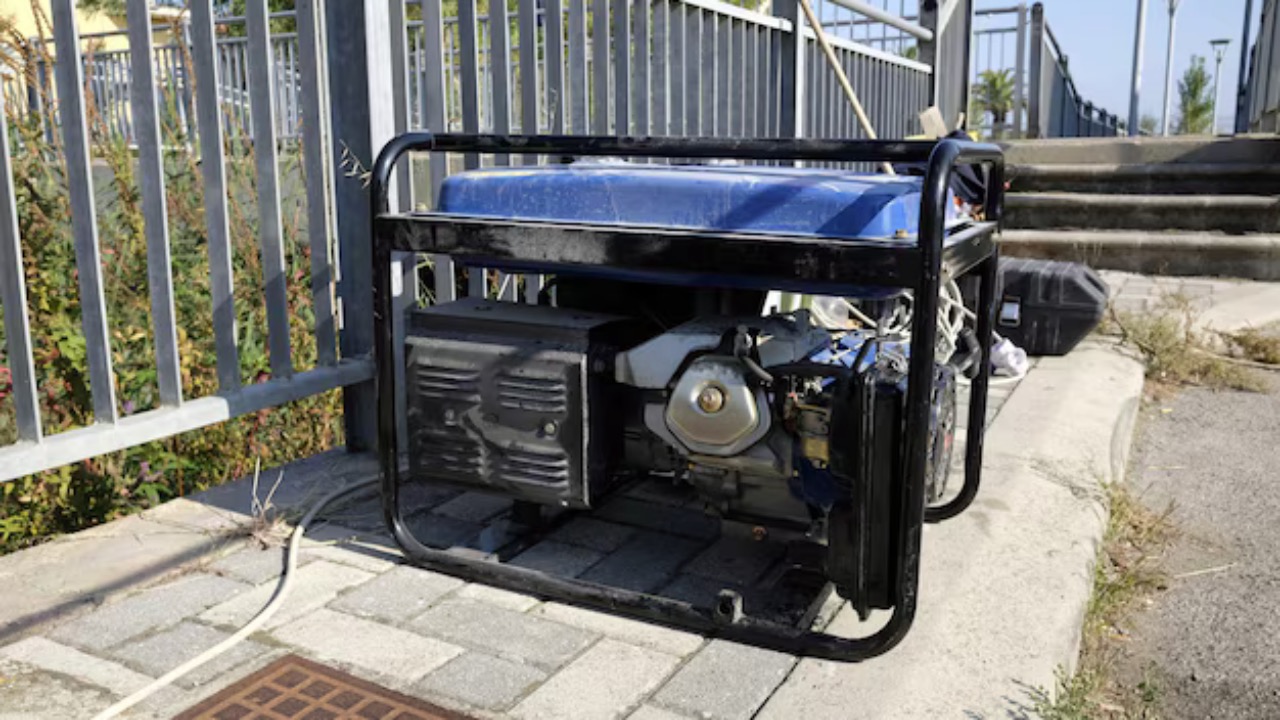
Not all electricity is created equal. Many portable generators produce what’s called “dirty power,” meaning the voltage and frequency fluctuate more than what comes from the grid. Motors and heating elements usually tolerate that. Computers, TVs, routers, and battery chargers often don’t.
If you plug sensitive electronics straight into a standard open-frame generator, you’re rolling the dice. Voltage spikes and unstable frequency can damage power supplies or shorten the life of internal components. You might not notice the damage immediately, but repeated exposure can slowly cook electronics. If you plan to power delicate gear, an inverter generator or a quality power conditioner makes a big difference.
Overloading the Generator With Startup Surges
Many appliances draw far more power when they start than when they’re running. Refrigerators, well pumps, air compressors, and window AC units can pull two to four times their rated wattage for a brief moment during startup.
If you load a generator right up to its rated output, those surges can push it far past its limits. When that happens, the voltage drops hard and equipment takes the hit. Motors stall, electronics glitch, and circuit boards can fail. Even if the generator doesn’t shut down, repeated overloads stress the alternator and connected appliances. Leaving headroom in your load—often 20 to 30 percent—keeps everything running smoother.
Letting Fuel Sit Too Long
Gasoline breaks down faster than many people realize. After a few months, untreated fuel can start forming varnish and deposits that clog carburetors and fuel jets. When that happens, the generator may run rough, surge, or stall under load.
Those unstable engine speeds translate directly into unstable electricity. Voltage and frequency swing up and down, which is rough on anything plugged into the generator. That’s how appliances get damaged even when the generator seems to be running. Fresh fuel and stabilizer keep the engine running evenly, which helps maintain consistent power output.
Ignoring Proper Grounding
Grounding isn’t something most people think about during an outage, but it matters more than you might expect. A poorly grounded generator can allow stray voltage or electrical faults to travel through connected equipment.
In the best case, that trips a breaker. In the worst case, the current finds its way through electronics or appliances. Control boards and delicate circuitry are especially vulnerable. Grounding rods or proper transfer switch setups give electricity a safe path during a fault. Without that path, expensive gear can become the route electricity chooses.
Using Cheap or Undersized Extension Cords
Extension cords look harmless, but they can quietly cause serious trouble. Thin cords create resistance when electricity flows through them, especially over longer distances. That resistance turns into heat and voltage drop.
Your appliances might still run, but they’re operating on lower voltage than they were designed for. Motors struggle, compressors run hotter, and electronics deal with unstable input. Over time that stress can destroy components. Heavy-duty cords with the right gauge help keep voltage stable and reduce heat buildup while your generator is running.
Refueling a Hot Generator Carelessly
Refueling mistakes don’t only create fire hazards. They can also lead to mechanical problems that affect power quality. When fuel spills onto a hot engine or exhaust system, residue can bake onto components and cause long-term issues with cooling or airflow.
If debris or contaminants enter the tank during rushed refueling, they can travel into the carburetor. That can create uneven engine speed and surging output. Those fluctuations travel straight into the electrical system powering your equipment. Letting the generator cool down and refueling carefully keeps the engine running steadily and protects what’s plugged into it.
Skipping Regular Load Testing
Many generators sit in a shed for years and only run during emergencies. The problem is that engines and alternators don’t always behave the same after long periods of inactivity. Seals dry out, carburetors gum up, and voltage regulators can drift out of spec.
When you finally start the generator during a storm, it may produce unstable output without obvious warning signs. That’s when appliances and electronics get damaged. Running the generator periodically with a realistic load keeps everything working properly and helps you catch problems before they cost you expensive equipment.
Plugging the Generator Directly Into Household Wiring
One of the most dangerous mistakes people make is “backfeeding” a house by plugging a generator into a wall outlet. Besides the serious safety risk to utility workers, this setup can also wreck equipment inside your home.
House wiring isn’t designed to receive power that way. Voltage can travel through circuits unevenly, and there’s no proper isolation between the generator and the grid. That can send unstable power to appliances throughout the house. Refrigerators, microwaves, and electronics may experience sudden voltage swings. A proper transfer switch or interlock prevents those problems and keeps power flowing where it should.

Asher was raised in the woods and on the water, and it shows. He’s logged more hours behind a rifle and under a heavy pack than most men twice his age.