Forgotten War Heroes Whose Stories Still Resonate
History tends to spotlight a handful of famous names, but battlefields have always been filled with people whose courage never made it into everyday conversation. Spend enough time digging through after-action reports, unit histories, and old citations, and you start noticing the same thing again and again: men and women doing unbelievable things while expecting no recognition at all.
When you read their stories, you can’t help but measure your own resolve against what they faced. These were soldiers, medics, snipers, resistance fighters, and infantrymen who pushed forward when the situation looked hopeless. Many of them earned the highest honors their countries could give, yet their names rarely come up outside military circles. Their actions still carry weight today, especially when you slow down and look at what they actually endured.
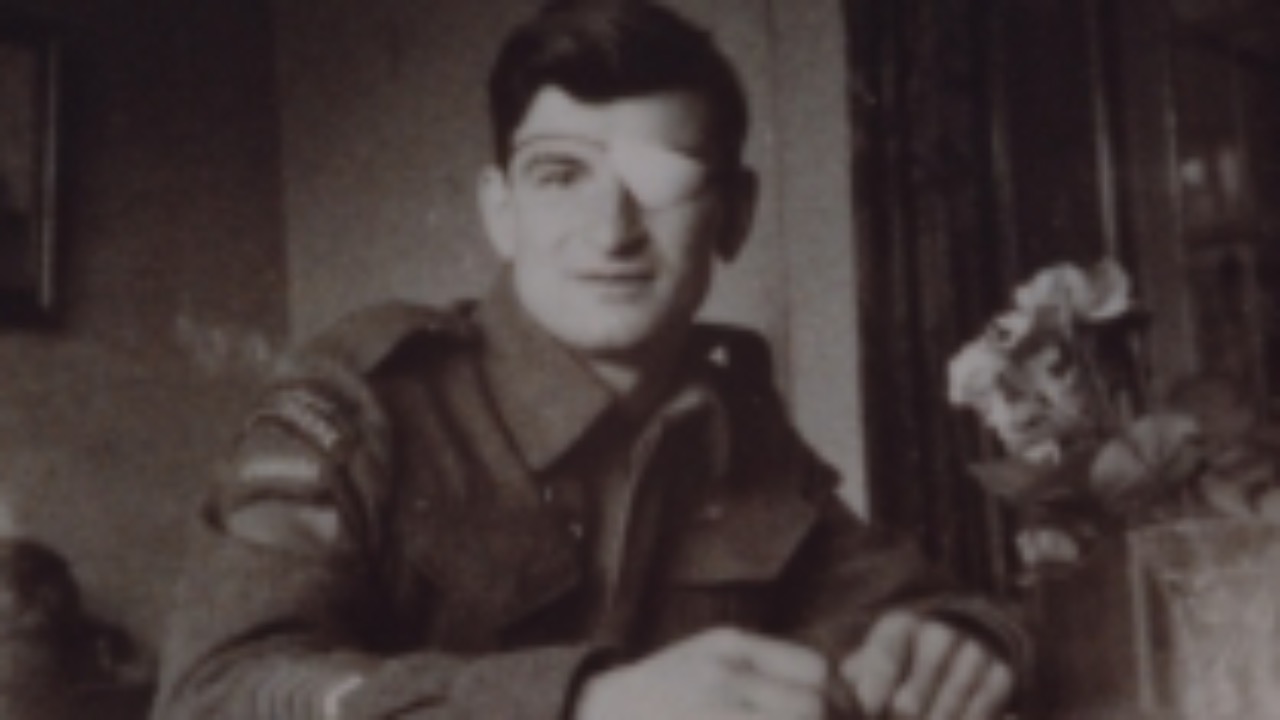
Leo Major
If you study Canadian military history long enough, you eventually come across Leo Major. His actions during World War II sound more like something out of a war film than an infantry report. During the Battle of the Scheldt, he captured a German armored vehicle by himself and forced its crew to surrender.
Later in the war, Major entered the Dutch city of Zwolle alone during a nighttime reconnaissance mission. Instead of quietly observing, he began engaging German positions, throwing grenades and firing in multiple locations to convince the occupying force they were facing a larger attack. By morning, the Germans had abandoned the city. You read that story and realize one determined soldier managed to free an entire town.
Tibor Rubin
Tibor Rubin survived a Nazi concentration camp as a teenager, then immigrated to the United States and joined the Army. When the Korean War broke out, he ended up on the front lines with the 8th Cavalry Regiment.
During several battles, Rubin volunteered to hold defensive positions alone while the rest of his unit withdrew. For nearly 24 hours at one point, he fought off repeated attacks from Chinese forces. Later, after being captured, he kept fellow prisoners alive by sneaking out of the camp at night to gather food. If you imagine doing that while starving and under guard, the level of determination becomes hard to ignore.
Lachhiman Gurung
The Gurkhas have built a reputation over generations, and Lachhiman Gurung’s stand in Burma during World War II explains why. In 1945, his small post came under heavy Japanese assault.
Grenades started landing in his trench. Gurung threw two back before they exploded. The third detonated in his hand, severely injuring him and costing him fingers. Even after that, he kept firing his rifle with one arm for hours as waves of attackers closed in. When daylight arrived, dozens of enemy soldiers were lying in front of the position. You read that account and understand why Gurkha units command so much respect.
Matt Urban
Matt Urban’s story reads like the report of a man who refused to stay down. During World War II he led infantry units through brutal fighting in Sicily, France, and Belgium.
Urban was wounded multiple times during the war. At one point he was shot through the neck and temporarily paralyzed. After months recovering, he returned to combat and resumed leading assaults. In one engagement he climbed onto a disabled tank under fire, used its machine gun to hold off German forces, then rallied his troops to push forward. When you look at his record, you see a pattern of a leader who kept stepping back into danger.
Nancy Wake
Nancy Wake operated behind enemy lines in occupied France as part of the resistance movement. The Gestapo considered her one of the most dangerous operatives in the region.
Working with resistance fighters, she coordinated sabotage missions, ambushes, and supply drops. At one point she cycled hundreds of miles through enemy territory to restore radio contact with Allied forces. You picture that journey—alone, moving through checkpoints and patrols—and it gives you a sense of the pressure resistance fighters lived with every day. Wake carried on anyway, helping resistance groups disrupt German operations during the buildup to D-Day.
Charles Upham
New Zealand soldier Charles Upham earned the Victoria Cross twice during World War II, which is extremely rare. What stands out is how many times he exposed himself to danger to keep his unit moving.
During fighting in Crete, Upham repeatedly crossed open ground under machine-gun fire to destroy enemy positions with grenades. In North Africa he continued leading attacks despite being wounded several times. Even after his arm was shattered, he refused evacuation until his men were safe. When you read the citations, you notice how often he moved toward the fight when most people would have stayed down.
Lyudmila Pavlichenko
Sniper warfare on the Eastern Front was brutal, and Lyudmila Pavlichenko became one of the most effective marksmen of the entire conflict. Fighting with Soviet forces during World War II, she recorded more than 300 confirmed kills.
Pavlichenko operated in conditions that tested even hardened soldiers—long hours lying still, waiting for movement while artillery and mortar fire rolled across the battlefield. She also faced enemy snipers specifically hunting her. When you think about the patience and nerve required for that kind of combat, her record becomes even more impressive.
Roy Benavidez
Roy Benavidez’s actions during the Vietnam War are one of the most remarkable survival stories in combat history. In 1968 he boarded a helicopter to assist a trapped reconnaissance team surrounded by North Vietnamese troops.
Benavidez spent hours moving wounded soldiers to evacuation points while under constant fire. He was shot, stabbed, and struck by shrapnel multiple times during the fight. At one point he was believed dead and placed in a body bag. When a medic noticed him spit, they realized he was still alive. Thinking about the punishment he absorbed while still helping others changes the way you view endurance.
Simo Häyhä
The Winter War between Finland and the Soviet Union produced one of the most effective snipers ever recorded. Simo Häyhä operated in deep snow and freezing temperatures while Soviet forces poured across the border.
Using iron sights instead of a scope, he remained concealed in white camouflage and built small snow barriers to stabilize his rifle. Over the course of the war he accounted for hundreds of enemy soldiers. Eventually he was struck in the jaw by an explosive bullet but survived. When you look at his record, you see what patience, fieldcraft, and discipline can accomplish even when facing overwhelming numbers.
Desmond Doss
Desmond Doss served as a combat medic during World War II while refusing to carry a weapon because of his beliefs. That decision made his actions on Okinawa even more remarkable.
During the battle for Hacksaw Ridge, Doss repeatedly ran back into heavy fire to rescue wounded soldiers left on the escarpment. One by one, he lowered them down the cliff using rope slings. He reportedly saved dozens of men that day. When you imagine standing alone on a battlefield without a rifle while still moving toward injured soldiers, the level of courage becomes hard to overlook.

Asher was raised in the woods and on the water, and it shows. He’s logged more hours behind a rifle and under a heavy pack than most men twice his age.