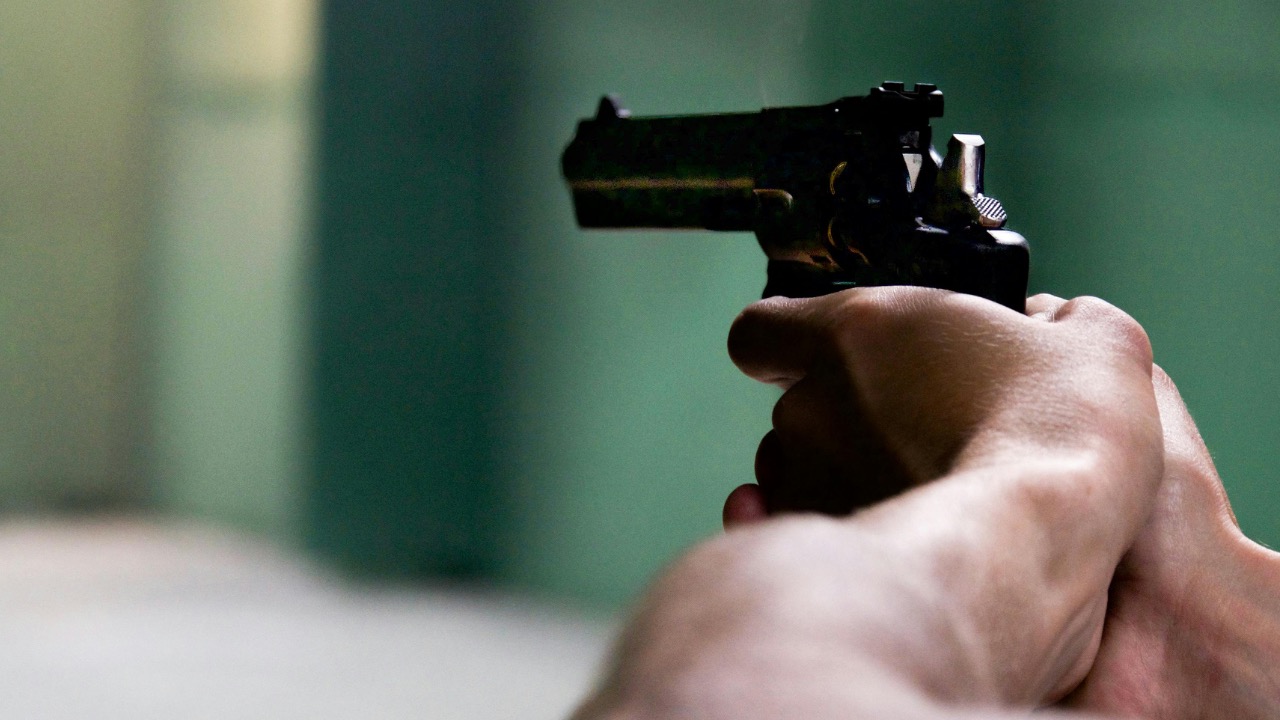
Defensive revolvers that still outperform cheap semi-autos in real-world use
For all the marketing around high-capacity polymer pistols, a quiet reality persists in defensive gun use: a well-chosen revolver can still outperform a bargain semi-automatic when lives are on the line. Simpler mechanics, predictable triggers, and proven durability give certain wheelguns an edge that cheap autoloaders rarely match. The result is that some classic and compact revolvers remain smarter choices than low-end pistols for people who care more about a fight-stopping first shot than a full magazine.
That advantage shows up where equipment is stressed the hardest, from pocket carry in humid climates to nightstands that sit untouched for years. When the shooter is undertrained, under stress, or physically limited, the right revolver can turn complexity into clarity. The models below highlight where that edge comes from and why it still matters.
Why revolvers still beat cheap semi-autos when things go wrong
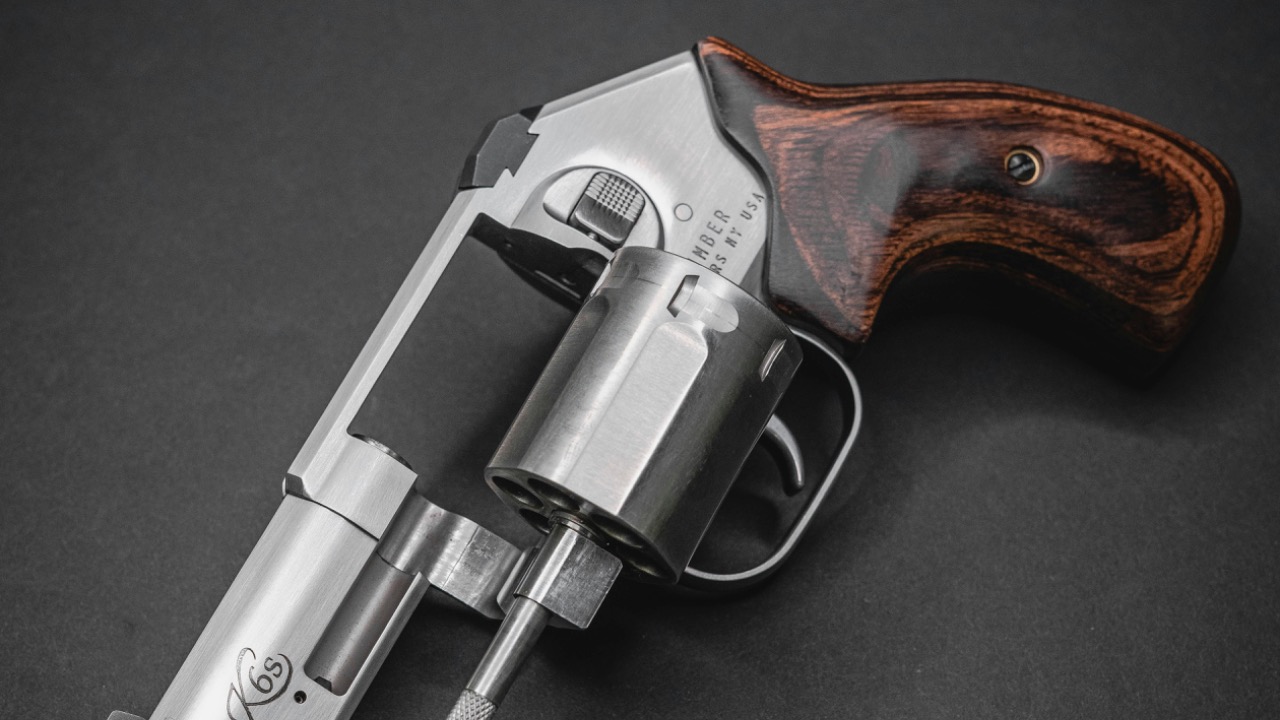
The core argument for a defensive revolver is not nostalgia, it is mechanical certainty. A quality wheelgun does not depend on magazine springs, feed ramps, or slide velocity, so it is far less sensitive to limp-wristing, marginal ammunition, or debris that would choke a budget pistol. Analysis of revolver use in self-defense points out that revolvers do not suffer from the same pattern of stoppages that plague low-quality autoloaders, and that true mechanical failures in modern double-action designs are extremely uncommon compared with the small but real failure rate in inexpensive semi-automatics, especially when they are dirty or poorly maintained. That reliability margin becomes critical for new or infrequent shooters who may not recognize or clear a malfunction under stress.
Simplicity under pressure is the second pillar. With a defensive revolver, the shooter presses the trigger and the cylinder rotates, with no manual safety levers, magazine releases, or slide manipulations required to make the gun fire. Long double-action trigger pulls provide a built-in safety margin for pocket or purse carry while still allowing accurate hits with practice, which is why many instructors still recommend compact .38 Special revolvers as primary or backup guns for people who will not train heavily. When a semi-auto fails to feed or eject, the shooter must diagnose and clear the stoppage, but if a revolver cartridge fails to ignite, the immediate action is simply to press the trigger again and move to the next chamber, a point that experienced revolver users emphasize in detailed discussions of whether the revolver remains viable for self defense in the modern era.
Old-school service revolvers that still make sense
Several classic duty revolvers remain smarter defensive tools than any off-brand polymer pistol pulled from a discount case. The Smith & Wesson Model 10 is often described as the definition of a working revolver, a .38 Special that spent decades in police holsters precisely because it balanced controllable recoil, adequate power, and tank-like durability. Reporting on old-school revolvers highlights how the Model 10 and similar K-frame designs shrugged off tens of thousands of rounds and rough handling, something that cheap cast-slide semi-autos rarely survive without parts breakage. For a homeowner who wants a full-size handgun that can sit loaded for years yet still fire every chamber when needed, that kind of track record matters more than accessory rails or optics cuts.
Smaller-framed revolvers from the same era also retain real-world advantages. Traditional J-frame designs in .38 Special or .357 Magnum fit small hands, conceal easily, and still offer enough barrel length for meaningful velocity. One feature that keeps these older revolvers relevant is their tolerance for varied ammunition, from mild wadcutters to heavy +P defensive loads, without the finicky cycling issues that appear in low-cost semi-autos when bullet shape or power levels change. Enthusiasts who catalog old-school revolvers that outperform cheap pistols consistently return to these workhorse models because they deliver predictable hits at realistic defensive distances with minimal drama.
Modern snub-nose designs built for real carry
While the big service revolvers earned their reputations on duty belts, modern defensive use often centers on compact carry, and here the updated snub-nose shines. The Smith & Wesson 642 Airweight is a prime example: chambered in .38 Special with a 642 model designation, it combines a lightweight aluminum frame with a shrouded hammer that will not snag on pockets or clothing. Coverage of current defensive revolvers notes that the 642 has been saving people from bad decisions for a long time, riding light and pointing naturally while still offering controllable recoil with standard-pressure loads. Against cheap semi-autos that rely on marginal springs and thin magazines, a five-shot Airweight that simply fires every time often delivers better hits when speed matters.
Other modern designs push the concept further with polymer frames and improved ergonomics. The Ruger LCR, for instance, is repeatedly singled out as a compact revolver that stands out for its smooth trigger and recoil management that feels better than its weight suggests. Guides to the best revolvers for concealed carry emphasize how the Smith & Wesson Model 642 and the LCR disappear in pocket holsters while still presenting a full firing grip, something that many slim but cheaply built semi-autos cannot match due to sharp edges, unreliable safeties, or poor sights. For shooters who prioritize daily carry over range comfort, these modern snubs deliver a blend of concealability and shootability that budget pistols rarely equal.
Where semi-autos still lead, and where they do not
Any honest comparison must concede that quality semi-automatics bring real advantages, particularly in capacity and reload speed. A detailed revolver versus semi-auto analysis notes that a typical compact pistol will carry significantly more rounds than a five- or six-shot revolver of similar size, and that trained shooters can reload a magazine-fed pistol faster than they can top off a cylinder. For users who expect to face multiple attackers or who train extensively, that extra ammunition and speed can matter. However, the same reporting stresses that these benefits depend on reliability, and that low-end pistols with marginal parts or poor quality control often malfunction more frequently than well-built revolvers, especially when dirty or fed varied ammunition.
Real-world testing of defensive handguns has also shown that while semi-autos may have an overall performance edge in the hands of experienced shooters, the gap is not as large as marketing suggests. One study of defensive accuracy and speed found that semi-automatics held an 11 percent advantage in certain metrics, but that revolvers still delivered solid results, especially when chambered in effective calibers like .357 Magnum. Discussions of revolver pros and cons from long-time law enforcement voices, including one old cop who spent years carrying a snubby as a backup gun, describe how small revolvers remained trusted companions even as agencies shifted to high-capacity pistols, precisely because they worked from awkward positions and at close range where many defensive encounters actually occur.
Who benefits most from a defensive revolver
The shooters who gain the most from a defensive revolver are often those least served by cheap semi-autos: new gun owners, people with limited hand strength, and individuals who will not maintain or train with their firearm regularly. A detailed buyers guide for handguns points out that a pistol that occasionally malfunctions when clean is more likely to fail when dirty, and that this risk grows when the user struggles with slide manipulation or magazine seating. In contrast, a mid-size .38 Special revolver allows someone with arthritis or reduced grip strength to load chambers one at a time and fire with a consistent trigger pull, a reason why a compact and easy-to-use revolver like the .38 Special Ruger LCR is recommended as an excellent option for senior citizens who still want effective self-defense.

Leo’s been tracking game and tuning gear since he could stand upright. He’s sharp, driven, and knows how to keep things running when conditions turn.