Used guns that offer surprising value right now
Used guns have quietly become one of the most efficient ways for shooters to stretch their budgets without giving up reliability or performance. Police trade‑ins, lightly fired range pistols, and classic rimfires are all showing up at prices that undercut new inventory while still delivering years of service. For buyers willing to do a bit of homework, the current market offers a mix of proven workhorses and overlooked models that punch far above their price tags.
I see the best values clustering around a few themes: duty pistols that departments are cycling out, modular platforms with deep aftermarket support, and compact carry guns that enthusiasts have tested hard enough to separate hype from substance. The key is understanding where depreciation works in your favor, how to evaluate upgrades, and which specific models are drawing informed praise from experienced shooters.
Why the used market is so attractive right now
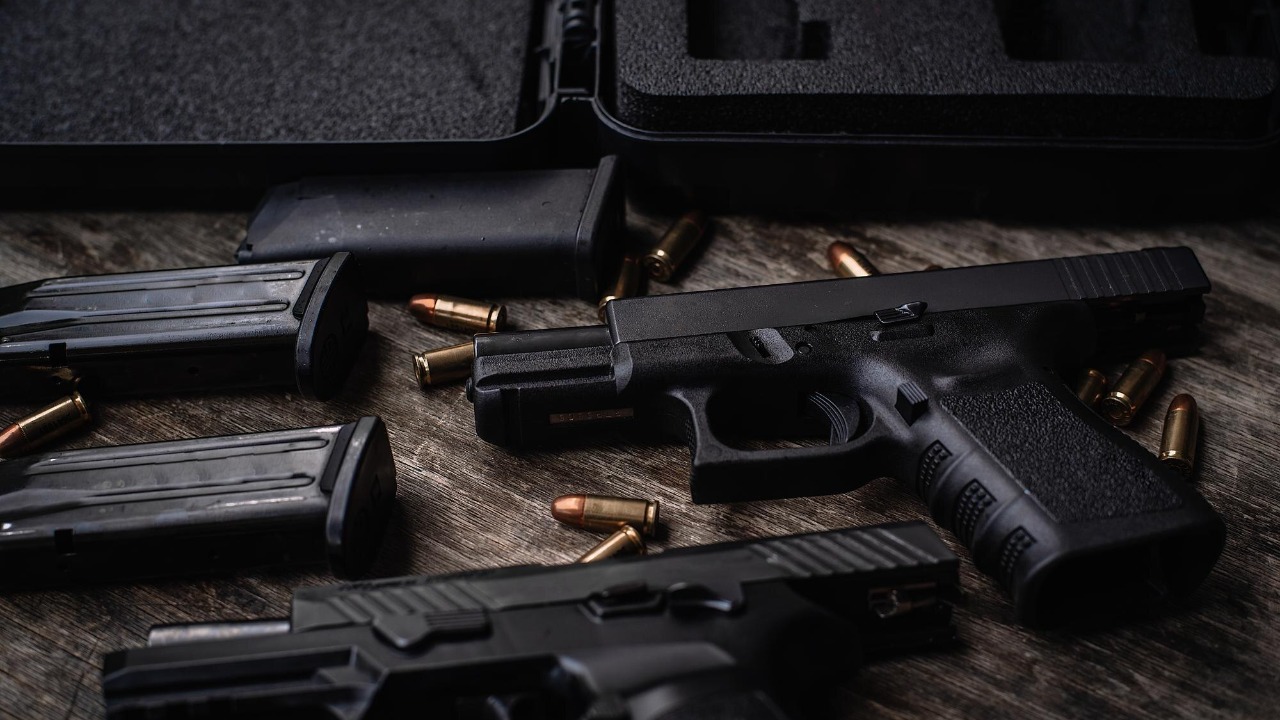
Depreciation hits firearms hardest in the first resale, which means the second owner often gets the best deal. Once a pistol or rifle has already taken that initial price drop, its value tends to flatten, especially if it comes from a major manufacturer with a reputation for durability. That dynamic is particularly visible in duty pistols and popular rimfires, where the design has been refined over decades and the real‑world track record is well established before a gun ever hits the used shelf.
At the same time, manufacturers keep rolling out incremental updates, which nudges earlier generations into the used case even when they remain mechanically sound. Brands with strong factory support, such as Ruger, have built their business on platforms that stay in production for years, so parts and magazines remain easy to find. For buyers, that combination of mature designs, stable aftermarket support, and softened resale prices is exactly what turns a secondhand firearm into a surprisingly strong value.
Police trade‑in pistols: duty workhorses at civilian prices
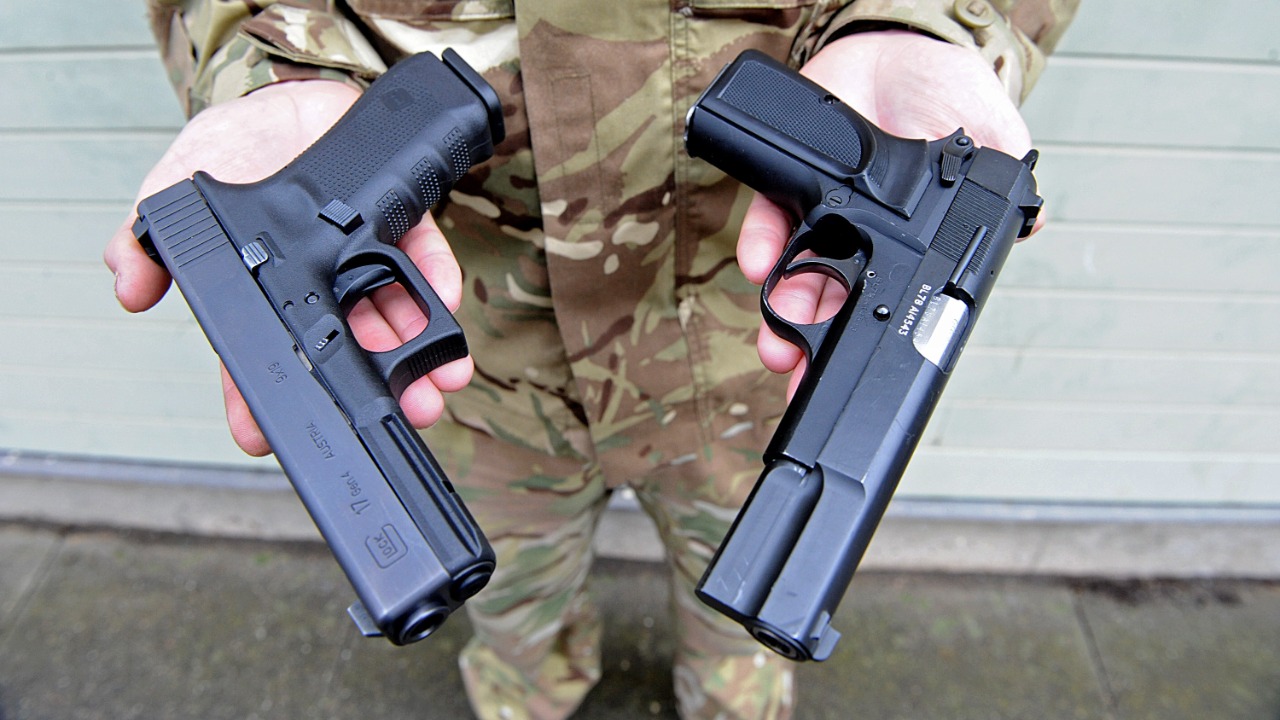
Law enforcement agencies regularly replace sidearms on a fixed cycle, not because the guns are worn out, but because contracts, optics‑ready slides, or policy changes push them toward newer models. The result is a steady stream of service pistols that have seen holster wear but relatively modest round counts. Those guns often land on retailer sites as clearly labeled police trade‑ins, with prices that undercut new equivalents by a wide margin while still offering the same basic performance.
One listing for a Used Glock G17 Gen2 9 mm, described as Black, No Case, Police Trade, shows a price of $369.99 for a full‑size duty pistol that originally commanded far more when new. Another entry for a Glock G21 Gen4 45 auto, also noted as Black No Case, illustrates how these guns are sold with straightforward descriptions that emphasize function over cosmetics. For buyers who prioritize a proven track record and are comfortable with honest wear, these trade‑ins deliver service‑grade reliability at a budget‑friendly cost.
Glock value: the “99–01 Camry” of handguns
Among used pistols, Glock models have earned a reputation for being the firearm equivalent of a reliable commuter car. Enthusiasts often compare them to the 99–01 Camrys of the gun world, a nod to their blend of durability, parts availability, and unglamorous but consistent performance. That analogy captures why older generations of Glock pistols, especially in 9 mm, continue to command attention in the used case even when newer variants with optics cuts and updated textures are available.
In one discussion about getting the best bang for the dollar, a shooter put it plainly, saying that while Ive never had an issue with the Sig the Glocks are like the 99–01 camrys of the gun world, highlighting how predictable these pistols are over long service lives. That comment, shared in Jan in a thread focused on value, reflects a broader sentiment that Sig the Glocks occupy a sweet spot where used prices are reasonable, magazines and holsters are everywhere, and any competent armorer can keep them running. For buyers who want a pistol that simply works, that combination is hard to beat.
Ruger 10/22: a used rimfire that keeps paying dividends
Rimfire rifles are often the first long gun a shooter buys, and the Ruger 10/22 has become a default choice for good reason. On the used market, it offers a rare mix of affordability, reliability, and near‑endless customization. Because so many have been sold over the years, used examples are common, and most have lived relatively easy lives as plinkers or small‑game rifles, which means a careful buyer can find a lightly used 10/22 that still has decades of service left.
One detailed overview of the platform notes that a Ruger 10/22 is generally considered worth it, with a clear Yes attached to its reputation for excellent reliability, ease of use, and affordability. That same analysis emphasizes its dependable performance and high‑quality construction, which explains why so many owners invest in upgraded stocks, barrels, and triggers rather than replacing the rifle outright. For a shooter who picks up a used 10/22, the combination of a solid core design and a deep ecosystem of Ruger compatible parts turns a modest purchase into a long‑term project gun.
Compact carry bargains: LCP Max and Kel‑Tec P32
While full‑size duty pistols dominate police trade‑in racks, some of the most interesting used values are in the ultra‑compact carry segment. These pocketable guns are often bought with enthusiasm, carried for a while, then traded when owners shift to a different caliber or capacity. That churn creates opportunities for buyers who know which models have proven themselves in real‑world use and are comfortable with the tradeoffs of small, lightweight pistols.
In a discussion of overlooked and underrated firearms, one shooter highlighted Specific Models that deliver strong performance for the money, calling out the LCP Max with Great sights and capacity and noting that it can be found for around $250 after tax and fees. The same conversation praised the Kel‑Tec P32 as very concealable, with low recoil and an affordable price point that makes it attractive as a backup or deep concealment option. For a buyer scanning the used case, those comments suggest that a lightly carried LCP Max or Kel P32 can be a smart way to add a capable, easily hidden pistol without paying full retail, especially when the original owner has already absorbed the initial depreciation.
How to read “upgrades” on a used gun
One of the quirks of the secondhand market is that many guns arrive with aftermarket parts already installed. Some of those changes, such as quality night sights or a reputable trigger kit, can add real value for the next owner. Others, including aggressive home stippling or no‑name internal parts, may actually reduce reliability or resale appeal. The challenge for a buyer is separating thoughtful improvements from cosmetic tinkering that introduces risk.
Guidance aimed at new buyers points out that a lot of used guns are going to have some kind of aftermarket upgrade, and that While a gun will hold its value quite nicely, not all upgrades do. That warning is especially relevant when a seller tries to recoup the full cost of accessories that are not universally desired, such as oversized compensators or niche optics. A careful shopper will treat those add‑ons as negotiable, focusing instead on the underlying condition of the firearm and using advice like the intro to buying as a reminder that factory parts and clean internals matter more than flashy accessories.
Where manufacturer support tilts the math
Factory backing plays a quiet but crucial role in how attractive a used gun really is. When a manufacturer maintains a robust catalog of parts, magazines, and service options, it reduces the risk that an older model will become an orphan. That is one reason platforms from long‑standing brands hold their value better and still make sense to buy used, even when they are several generations behind the latest release.
Companies that keep legacy designs in circulation, such as Ruger with its rimfire and centerfire lines, give secondhand buyers confidence that they can maintain and upgrade their firearms over time. The same logic applies to Glock duty pistols and other mainstream service guns that share magazines and internal parts across multiple generations. When a used firearm plugs into that kind of ecosystem, the lower purchase price is only part of the value story, because long‑term support and easy sourcing of spares help keep total ownership costs in check.
Community wisdom: how shooters define “underrated” value
Beyond price tags and spec sheets, the most useful signals about used‑gun value often come from communities of experienced shooters. When the same models keep surfacing in conversations about underrated or overlooked firearms, it suggests that those guns deliver more performance than their market reputation implies. That pattern is visible in discussions that highlight compact carry pistols, older duty guns, and classic rimfires as smart buys for people who prioritize function over fashion.
In one thread focused on the most overlooked or underrated firearm someone can buy, contributors singled out Specific Models like the LCP Max and Kel‑Tec P32, praising the LCP Max for Great sights and capacity and pointing to its roughly $250 street pricing as evidence of strong value. The same discussion framed the Kel P32 as a very concealable, low‑recoil option that remains affordable even after tax and fees. Those comments, shared in Dec in a community that tends to be skeptical of marketing hype, reinforce the idea that certain compact pistols quietly outperform their price brackets, especially when picked up used. For a buyer trying to separate genuine bargains from passing fads, that kind of peer feedback is as important as any spec sheet.
Putting it together: how I would hunt for value today
When I look at the current landscape, the most compelling used values cluster around a few concrete strategies. First, I would scan police trade‑in listings for full‑size duty pistols like the G17 and G21, where prices such as $369.99 for a service‑grade 9 mm show how far depreciation can work in a buyer’s favor. Second, I would keep an eye out for classic rimfires like the 10/22, where a solid core design and deep aftermarket support turn a modest used purchase into a long‑term platform for training, small‑game hunting, or competition.
For concealed carry, I would pay close attention to compact models that experienced shooters describe as underrated, including the LCP Max and Kel‑Tec P32, especially when they appear lightly used with original accessories. Finally, I would evaluate any aftermarket parts through a skeptical lens, remembering that While a gun will hold its value quite nicely, not all upgrades do, and that factory reliability matters more than cosmetic flair. Taken together, those habits tilt the odds toward finding used guns that deliver far more capability than their price tags suggest, without sacrificing safety or long‑term support.

Leo’s been tracking game and tuning gear since he could stand upright. He’s sharp, driven, and knows how to keep things running when conditions turn.